Caramel point Siamese cats represent one of the breed’s most striking and increasingly popular colour variations, characterised by their warm, brownish-toned points that develop from the Dilute Modifier gene. These elegant felines captivate breeders and enthusiasts with their sophisticated appearance and the genuine rarity of the colouration, particularly in the early stages of the breed’s recognition. In this comprehensive guide, we’ll explore every aspect of caramel point Siamese cats — from their unique genetics and colour development to their distinctive personality traits and breed standard specifications.
As a GCCF Full Judge for Siamese cats with over two decades of hands-on experience in the breed, I’ve witnessed the caramel point colour move from experimental development to established recognition. I’ve personally judged caramel point Siamese at major shows and studied their genetics extensively. This guide draws on that professional experience and current breed standards to provide you with accurate, detailed information.
Caramel Point Genetics: Dilute Chocolate and the Dilute Modifier
Caramel point colouration represents a fascinating intersection of two key genetic factors in Siamese cats: the chocolate colour gene and the dilute modifier. To understand caramel points fully, you need to grasp how these two genes interact to produce this distinctive warm, brownish tone that sets caramel points apart from chocolate points and other colour variants.

The Chocolate Gene
The chocolate colour in Siamese cats is controlled by a recessive gene on the B locus (the melanin production gene). Siamese cats carrying the chocolate allele (designated ‘b’) produce a warm, dark brown pigment instead of the typical black pigment seen in seal points.
For a cat to express chocolate colouration, it must carry two copies of the chocolate gene (genotype bb). Cats carrying one chocolate allele and one normal black allele (genotype Bb) are phenotypically seal point — the black pigment is dominant, and they won’t display chocolate colouration. However, these ‘carriers’ play a crucial role in breeding programmes because they can be bred together or to homozygous chocolate cats to produce chocolate offspring.
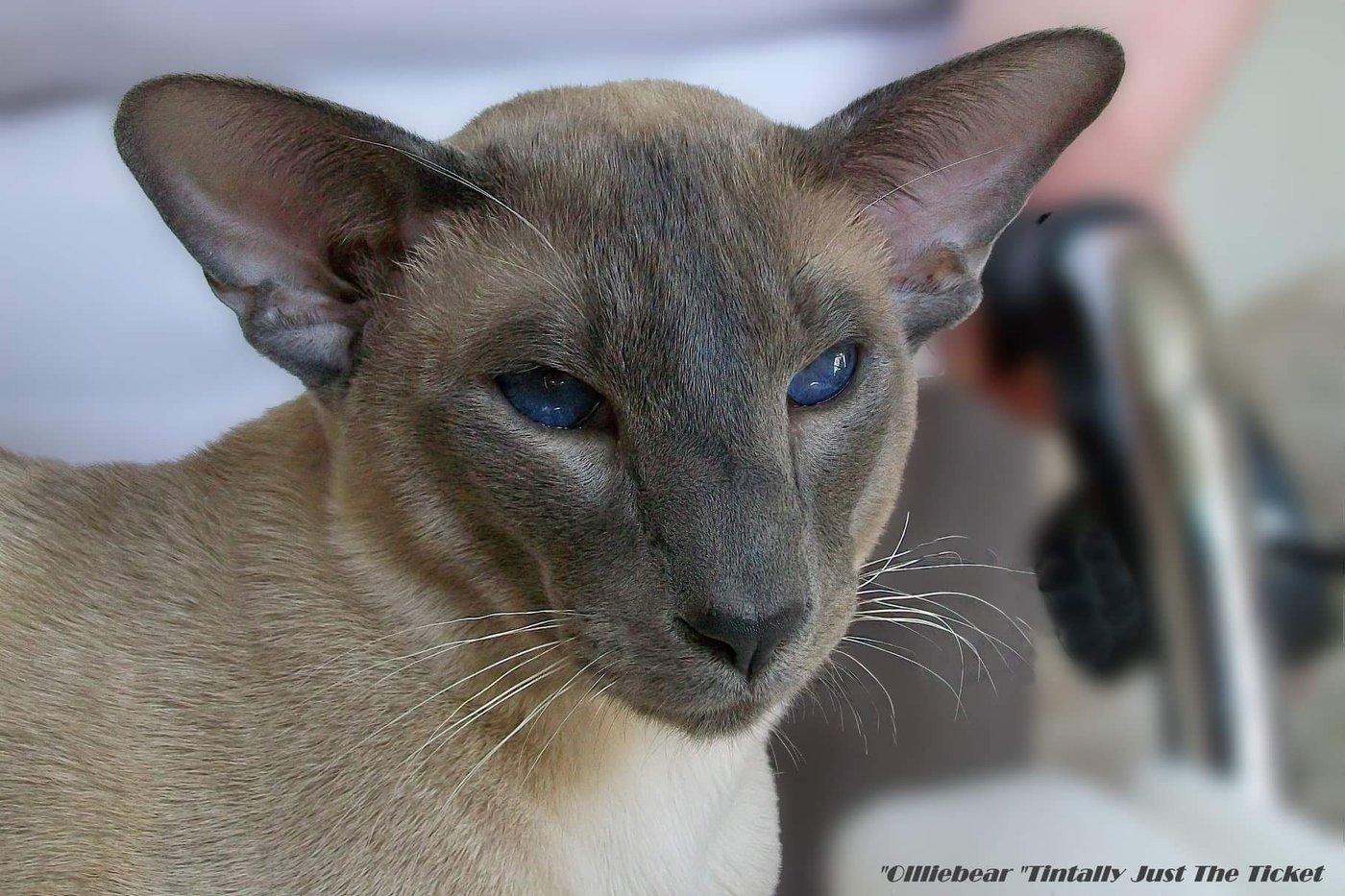
In pointed Siamese cats, chocolate points appear as warm, rich, dark brown points contrasting against an ivory or cream body. This is particularly striking in young chocolates, where the contrast between point and body colour is vivid and well-defined. As the cat matures, some body darkening may occur, but chocolate points maintain their distinctly warm brown tone throughout life.
The Dilute Modifier Gene
Caramel point colouration is created when the dilute modifier gene interacts with the chocolate gene. The dilute modifier, sometimes referred to as the ‘modifying gene’ or ‘dilute’ in the literature, is a rare and not fully understood genetic element that affects how dilute colours are expressed in cats.
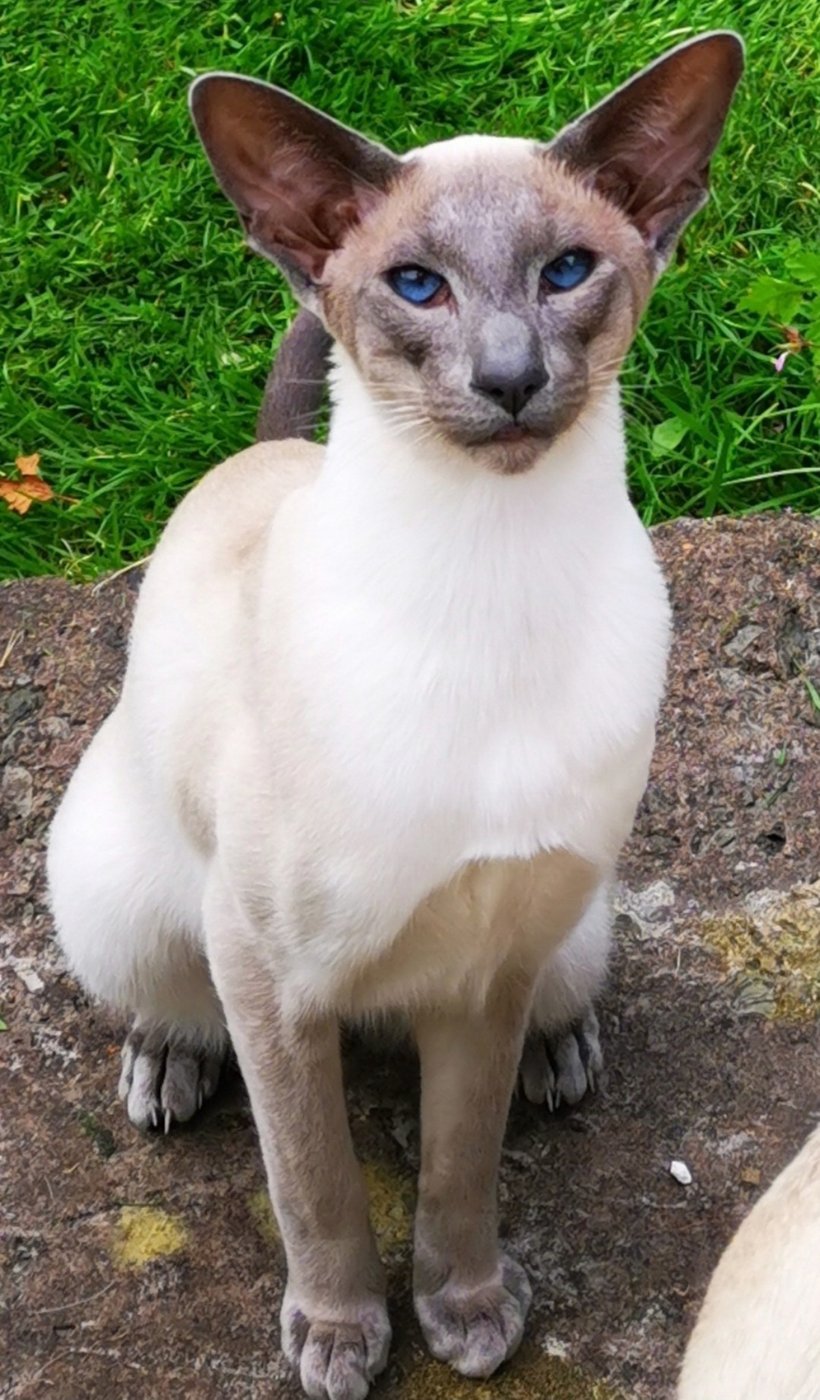
When a chocolate point cat (genotype bb) carries the dilute modifier gene, the rich brown of the chocolate is softened into a warm caramel or milk chocolate tone. This creates the characteristic appearance of caramel points: points that are noticeably lighter and warmer in tone than chocolate points, but still distinctly brown rather than gray or blue.
The interaction between these genes explains why caramel points are relatively rare. A cat must carry at least one chocolate allele (meaning at least one copy of the b gene) and also carry the dilute modifier gene. This combination is less common than either chocolate or dilute colours on their own, making caramel points a genuinely uncommon variety.
Caramel Point Colour Development and Maturation
Caramel point kittens are born with very pale points — sometimes so pale that newborn caramel kittens can be difficult to distinguish from cream points at first glance. However, as the kitten matures and the thermoregulatory colour-restricting mechanism kicks in (the same mechanism that creates the pointed pattern), the caramel colour develops and deepens.
Within the first few weeks and months of life, the warm caramel brown tone becomes increasingly visible and defined. By around 8-12 weeks, a caramel point kitten’s colour pattern should be clearly distinguishable. By adulthood, a fully mature caramel point displays rich, warm, brownish-toned points against an ivory or very pale cream body.
One of the most appealing characteristics of mature caramel points is a subtle pewter or silvery sheen that sometimes develops across the face, ears, and paws — an ethereal quality that judges and enthusiasts find particularly striking. This sheen is sometimes more pronounced in females and can vary between individual cats based on coat quality and sunlight exposure.
Caramel Point Appearance and Breed Standard
Under GCCF breed standards, caramel point Siamese are assessed using the standard Siamese type and conformation requirements, with the specific colour criteria for caramel points. The breed standard describes the ideal caramel point colour as:
Points: A warm, medium brown tone — distinctly caramel in colour, neither as dark and rich as a chocolate point nor as dilute as a blue point or lilac point. The colour should be even across all points (face, ears, legs, tail).
Body: Ivory or very pale cream, creating a striking contrast with the caramel points. In mature cats, particularly those living in warmer climates or with increased sun exposure, a slight overall body darkening may occur, but the point colour should remain significantly darker than the body.
Nose and Paw Pads: Warm brown or cinnamon tone, consistent with the point colour.
Eye Colour: Bright, vivid blue — the same intense blue required for all pointed Siamese varieties. Eye colour is determined by different genetic factors than point colour and is not affected by the caramel colour genes.
The overall appearance of a caramel point Siamese should embody the elegance and refinement of the breed while showcasing the distinctive warm, sophisticated tone of the caramel colouration. Judges evaluate caramel points on the same structural and type criteria as other pointed colours, with points judged specifically on colour evenness, depth, and adherence to the breed standard for caramel.
Caramel vs. Other Warm-Toned Siamese Colours
When evaluating and comparing Siamese colour varieties, it’s helpful to understand how caramel points relate to and differ from other warm-toned pointed colours.
Caramel vs. Chocolate
The primary difference between caramel and chocolate points is the presence of the dilute modifier gene. Chocolate points are deeper, richer, and darker — almost black-brown in newborns and maturing to a warm but distinctly dark brown. Caramel points are noticeably paler and have a warmer, more caramel or milk chocolate tone. If you place a caramel point and a chocolate point side by side, the chocolate will appear significantly darker and more saturated.
Caramel vs. Cinnamon
Cinnamon and caramel are sometimes confused, but they are distinct colours with different genetic bases. Cinnamon points are produced by a different genetic pathway involving the cinnamon gene and are warmer and lighter than chocolate but lack the specific dilute modifier interaction that creates caramel. Cinnamon points have a distinctly warm, reddish-brown or cinnamon spice tone, whereas caramel has a more neutral, slightly cooler warm brown (often described as milk chocolate). A cinnamon point will appear warmer and more reddish compared to a caramel.
For a detailed comparison, see our comprehensive guide on cinnamon point Siamese cats.
Caramel vs. Apricot
Apricot and caramel points are among the rarest and most prized Siamese colours, but they are genetically distinct. Apricot points result from a combination of red and dilute genes, creating a warm peachy or honey-toned appearance with a characteristic dusting effect. Caramel points, by contrast, are produced through chocolate and dilute modifier genes and have a more neutral, brownish tone without the warm red/peach undertone of apricot. If you see a caramel point and an apricot point together, the apricot will appear warmer and more peachy, while the caramel will seem more chocolate-brown in comparison.
Learn more in our guide on apricot point Siamese cats.
Breeding for Caramel Points
Breeding caramel point Siamese requires understanding the genetics and intentionally selecting breeding cats that carry the necessary genes. Because the dilute modifier gene is not fully understood and is relatively rare in many breeding populations, responsible caramel breeders focus on maintaining health, type, and temperament alongside colour goals.
Breeding combinations that can produce caramel points include:
Caramel × Caramel: Two caramel parents will reliably produce caramel kittens (assuming both carry the necessary homozygous genotypes for the colour genes).
Caramel × Chocolate: A caramel point bred to a chocolate point may produce caramel kittens if the chocolate parent carries the dilute modifier gene. Otherwise, kittens will be chocolate or carriers of caramel genes.
Caramel × Seal or Other Pointed Colours: A caramel point bred to a seal point or other colour may produce carriers of caramel genes, with actual caramel kittens appearing in later generations when carriers are bred together.
Responsible caramel breeders conduct health screening, maintain detailed pedigree records, and work toward producing caramel point Siamese that meet or exceed the breed standard for type while maintaining strong health and genetic diversity. Because caramel is a relatively rare colour, breeders sometimes need to outcross to seal, chocolate, or other pointed varieties to maintain genetic diversity and overall breed health — a practice that responsible breeders undertake thoughtfully and transparently.
A Gallery of Caramel Point Siamese
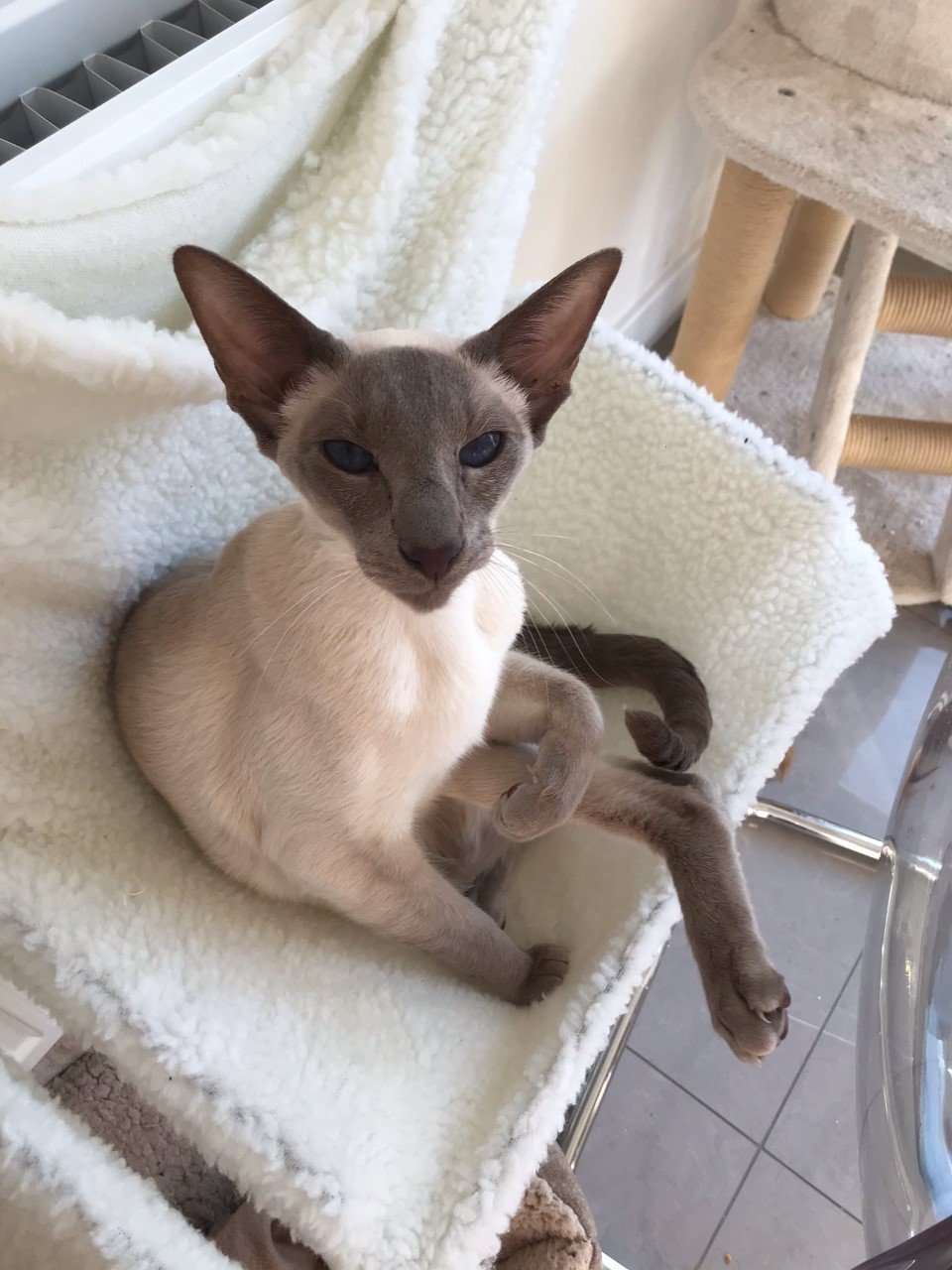
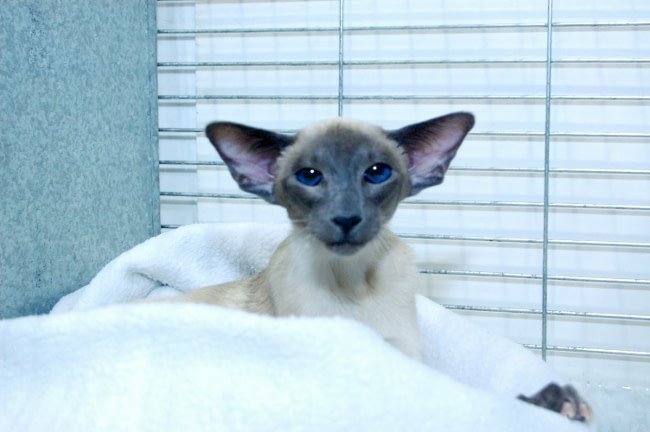
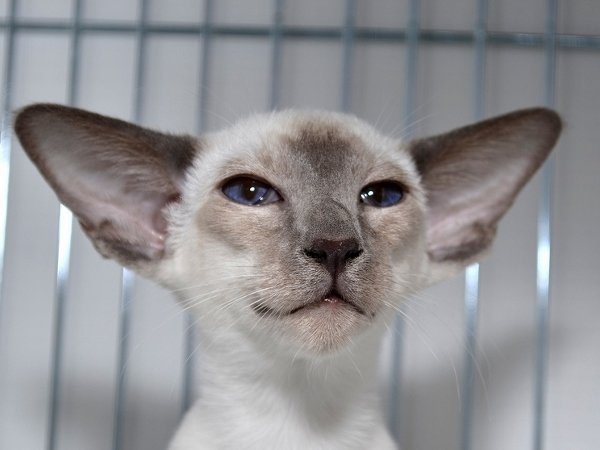
A selection of caramel point Siamese — pet companions and pedigree show cats. Click any photo to open the scrollable gallery.
📸 Got a Caramel Point Siamese? Add your cat to this gallery
This gallery grows over time — pet or pedigree, every caramel point is welcome. Enter our photo competition and your cat could feature here.
Caramel Point Personality and Temperament
The colour genes responsible for caramel point colouration do not affect personality or temperament. Caramel point Siamese exhibit the same remarkable vocal, affectionate, and interactive personality traits that define the breed regardless of their colour variety.
Siamese cats are renowned for being:
Exceptionally vocal and communicative: Caramel points, like all Siamese, are famously chatty. They ‘talk’ to their owners throughout the day, expressing opinions about feeding time, playtime, and general household activities. This vocal nature is endearing to Siamese enthusiasts and part of the breed’s distinctive charm.
Highly social and people-oriented: Caramel points crave human companionship and engagement. They are not aloof or independent; instead, they actively seek interaction, enjoy being involved in family activities, and often follow their owners from room to room.
Intelligent and trainable: Siamese cats are renowned for their intelligence and responsiveness to training. Caramel points can learn to walk on leads, come when called, and respond to commands — making them interactive and engaged companions.
Playful and energetic: Despite their elegant appearance, caramel points are active, playful cats that enjoy interactive toys, climbing structures, and mental enrichment. They thrive in environments that provide stimulation and engagement.
Affectionate and devoted: Many caramel point owners describe their cats as having dog-like loyalty and affection. They form strong bonds with their owners and genuinely enjoy being petted, held, and involved in daily life.
These personality traits are consistent across all Siamese colour varieties — caramel points are Siamese first and foremost, and their behaviour reflects the breed characteristics rather than the colour genes.
Health Considerations for Caramel Point Siamese
Caramel point Siamese have the same health profile as other pointed Siamese varieties. The colour genes are not associated with any particular health conditions, and caramel points do not face any breed-specific health challenges beyond those common to all Siamese cats.
Health screening and considerations for Siamese cats include:
Hypertrophic cardiomyopathy (HCM): A heart condition that can occur in Siamese and other pedigree breeds. Responsible breeders conduct cardiac screening using echocardiography to ensure breeding cats are unaffected.
Progressive retinal atrophy (PRA): A genetic eye condition that can lead to blindness. Genetic testing is available, and responsible breeders screen breeding cats.
Squint and strabismus: Some Siamese cats display a genetic squint (convergent strabismus). While this is largely cosmetic and does not affect vision, responsible breeders work to minimise this trait.
Asthma and respiratory sensitivity: Some Siamese cats are prone to asthma or respiratory conditions. Maintaining good air quality and minimising environmental triggers is important for affected cats.
When acquiring a caramel point kitten, work with a responsible breeder who conducts health screening on breeding cats, provides documentation of health testing, and is willing to discuss their breeding programme’s health focus and genetic planning.
Acquiring a Caramel Point Siamese: What to Expect
Because caramel is a rare colour, acquiring a caramel point Siamese kitten requires patience, research, and a commitment to finding a responsible breeder. Here’s what to expect in the process:
Finding a breeder: Start by connecting with Siamese breed clubs, show societies, and online breed communities. Ask for recommendations and references. Attend Siamese cat shows if possible — this allows you to meet breeders in person, see caramel points in the flesh, and evaluate breeding programmes firsthand.
Evaluating the breeder: A responsible caramel point breeder will be knowledgeable about the colour genetics, willing to discuss their breeding goals and health screening practices, able to provide references from previous kitten buyers, transparent about any limitations or challenges in their breeding programme, and genuinely interested in ensuring their kittens go to suitable homes. They should ask you detailed questions about your home, lifestyle, and expectations — responsible breeders are selective about where their kittens go.
Cost: Caramel point Siamese kittens are often priced at a premium compared to other pointed colours, reflecting the rarity of the colour and the breeder’s investment in colour development and health screening. Expect to pay more for a caramel point kitten from a responsible breeder than you might for a seal point.
Health documentation: A responsible breeder provides health records, vaccination documentation, proof of health screening on parents, a written contract outlining health guarantees and breeder support, and ongoing availability for questions and advice about raising your kitten.
Breeder support: Quality breeders provide ongoing mentorship and support throughout your kitten’s life. They’re available to answer questions about behaviour, health, nutrition, and general cat care. If you ever need to rehome your caramel point, a responsible breeder will ask for the cat to be returned to them rather than rehomed elsewhere — this reflects their commitment to the cats they’ve brought into the world.
For more comprehensive guidance on evaluating cat breeders and distinguishing between responsible breeders and those who prioritise profit over cat welfare, please visit our detailed guide on finding a good cat breeder. This resource walks you through the entire evaluation process and helps you distinguish between reputable breeders and those who prioritise profit over cat welfare.
Expect to be on a waiting list when acquiring a caramel point kitten — the colour is less common than traditional varieties, and responsible breeders manage their breeding carefully rather than producing large numbers. This waiting period is actually a positive indicator of a careful, health-conscious breeding programme.
Bringing home a kitten? Don’t wing it.

I wrote an eBook for new kitten owners that covers everything you actually need to know — how to prepare your home, what to feed, litter training that actually works, stopping the biting and scratching, reading your kitten’s body language, and what’s normal versus what’s not. It comes with printable checklists, a vaccination record and a first-week diary.
It’s called Kitten Care for New Cat Owners, it’s an instant download, and it will save you a lot of late-night Googling at 4am.