This Siamese cat breed profile is where I’d want every new owner to start. Siamese cat colours are one of those things that seem straightforward until you actually start looking into them — and then suddenly you are down a rabbit hole of genetics, EMS codes, and heated debates about whether a cat is a Caramel or a washed-out Lilac. (If you have ever seen two breeders argue about that at a show, you will know exactly what I mean.)
I have been breeding and judging Siamese cats for over twenty years now. In that time I have bred Seal Points, Blue Points, Lilac Points, and Chocolates. I have judged every single one of the thirty-two GCCF-recognised Siamese colour and pattern combinations at shows across the country. And I still get a little thrill when a kitten starts developing its points at around ten days old and I get to find out what colour it is going to be.
This page is your starting point. I have pulled together everything you need to know about Siamese cat colours, patterns, and what makes each one different — from a breeding and judging perspective, not just what you will find on Wikipedia. It is written from first-hand experience as a GCCF-registered breeder, cat judge, and feline behaviourist. Click the colour name anywhere on this page to jump to the full profile for that colour.
Key Takeaways
- The GCCF recognises thirty-two Siamese colour and pattern combinations — ten self colours plus tabby, tortie, and tortie-tabby variants.
- The ten self colours, in genetic group order, are Seal, Blue, Chocolate, Lilac, Cinnamon, Fawn, Caramel, Red, Cream, and Apricot.
- Modern GCCF paperwork uses EMS codes (e.g. SIA n for Seal, SIA a for Blue) — the old two-digit breed numbers (24, 24a, 24b, 24c) are deprecated.
- All Siamese share the temperature-sensitive gene — colour develops only in the cooler extremities (face, ears, paws, tail).
- Kittens are born white and develop colour over the first few weeks.
- Siamese darken with age as circulation slows — completely normal, not a health concern.
- Tortie Points are almost always female — the red gene is sex-linked on the X chromosome.
- Colour does not affect personality. All Siamese share the same breed traits regardless of point colour.
What colours do Siamese cats come in? The GCCF recognises thirty-two Siamese colour and pattern combinations. The ten self (solid) point colours — in genetic order — are Seal, Blue, Chocolate, Lilac, Cinnamon, Fawn, Caramel, Red, Cream, and Apricot. Each also comes in Tabby Point form, and some in Tortie Point and Tortie Tabby Point variations.
In short: all Siamese have vivid blue eyes and pale coats with darker colour restricted to the face, ears, legs, and tail — the “points.” Kittens are born white and develop their colour over the first few weeks of life as the cooler extremities drop below the temperature threshold and the colour gene activates.
What Makes a Siamese Look Like a Siamese
Before we get into the individual colours, it helps to understand what creates the pointed pattern in the first place — because this is what makes a Siamese a Siamese, regardless of what colour it ends up being.
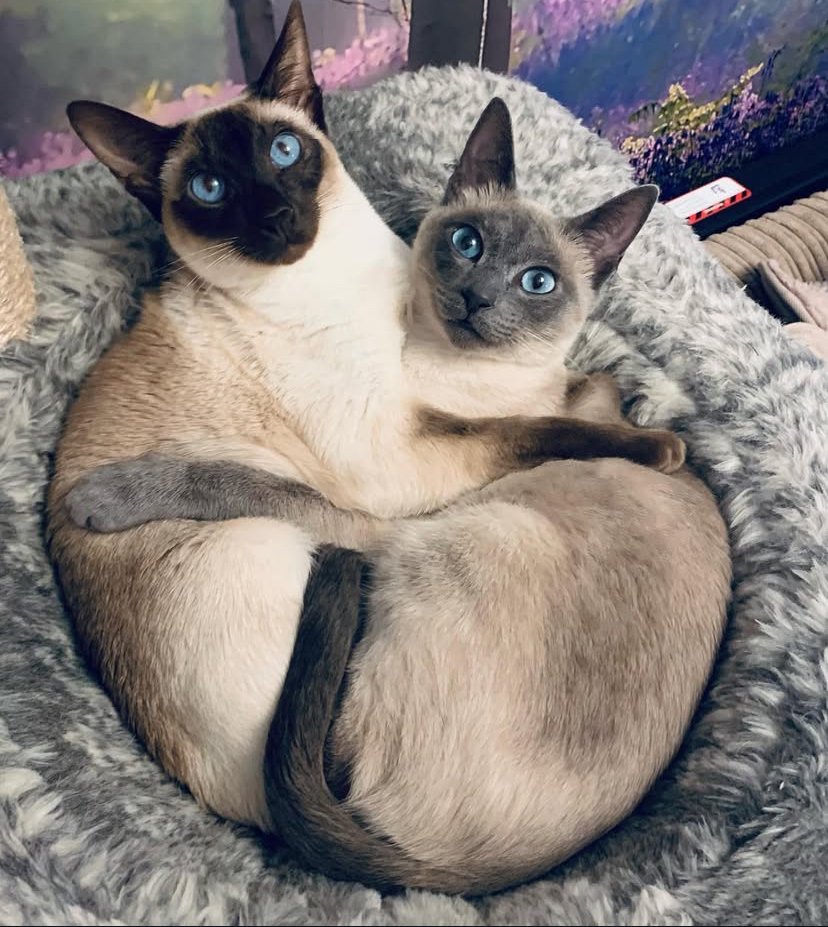
Siamese cats carry a temperature-sensitive gene that affects how pigment is produced in their fur. The gene — a mutation of the tyrosinase enzyme, if you want to get technical — only allows colour to develop in the cooler parts of the body. That means the extremities: the face, ears, paws, and tail. The warmer core of the body stays pale.
This is why all Siamese kittens are born white or very pale cream. When they are snug inside mum, the whole body is warm and no colour develops anywhere. Once they are out in the world and those extremities start cooling down, the points begin to appear — usually from around seven to ten days old, starting with the edges of the ears and the nose leather. By three or four weeks you can usually see what colour the kitten is going to be, though the full colour will not develop for several months.
It also explains something that catches a lot of new owners off guard: Siamese cats get darker as they age. As a cat gets older and its circulation slows slightly, more of the body drops below the temperature threshold and colour creeps in. An elderly Seal Point can end up looking almost entirely dark brown. That is completely normal — it is just the gene doing its thing.
Siamese Cat Colours — Quick Reference Table
For the twelve Siamese colour and pattern groups you will encounter most often, here is the full EMS code reference at a glance. Each colour is covered in detail below.
| Colour | EMS Code | Genetic Group | Notes |
|---|---|---|---|
| Seal Point | SIA n | Eumelanin | The iconic dark brown / near-black points |
| Blue Point | SIA a | Eumelanin (dilute of Seal) | Slate grey points on glacial white body |
| Chocolate Point | SIA b | Eumelanin | Warm milk-chocolate points |
| Lilac Point | SIA c | Eumelanin (dilute of Chocolate) | Pinkish frosted-grey points |
| Cinnamon Point | SIA o | Eumelanin | Warm reddish-brown, lighter than Chocolate |
| Fawn Point | SIA p | Eumelanin (dilute of Cinnamon) | Rosy mushroom tone, rare |
| Caramel Point | SIA a / c / p + caramel modifier | Dilute modifier (acts on Blue, Lilac, Fawn) | Brownish-grey with metallic sheen, three base variants |
| Red Point | SIA d | Phaeomelanin | Reddish-gold points; sex-linked on the X chromosome |
| Cream Point | SIA e | Phaeomelanin (dilute of Red) | Pale cool cream, delicate contrast |
| Apricot Point | SIA e + caramel modifier | Dilute modifier (acts on Cream) | Warm apricot tone with metallic quality, rare |
| Tortie Point | SIA f / g / h / j (by base) | Pattern (female-only) | Base colour mingled with red/cream; SIA f = Seal Tortie |
| Tabby Point | SIA + 21 | Pattern | Add “21” to any base code — e.g. SIA n 21 = Seal Tabby Point |
The Ten Siamese Self Colours
Self colours are the solid (non-patterned) point colours. I have ordered these below by genetic group rather than by popularity — eumelanin-based colours first (the dark-pigment family), then the dilute-modifier Caramel, then the phaeomelanin-based red series, then Apricot (caramel-modified Cream). This is how breeders actually think about them, and once you see the groupings the family tree becomes obvious.
Seal Point (SIA n)
Seal Point is the iconic one. Deep, dark brown points — almost black — against a warm cream body that gradually shades to fawn on the back and sides. The nose leather and paw pads are dark brown. This is the colour most people picture when they think “Siamese cat” and it is still the most popular colour at shows. EMS code: SIA n.
Blue Point (SIA a)
Blue Point is the dilute version of Seal. Instead of dark brown, the points are a cool slate grey with a slight blue cast. The body is a glacial white — the coldest, palest body colour of all the Siamese. Blues are absolutely stunning when they are in full coat and the contrast is sharp. They were the second colour to be recognised after Seal and remain one of the most popular. EMS code: SIA a.
Chocolate Point (SIA b)
Chocolate Point is warmer and lighter than Seal — think milk chocolate rather than dark. The points are an even, warm brown, and the body colour is ivory. Chocolates tend to keep better contrast as they age compared to Seals, which is one reason breeders love working with them. The nose leather is a pinkish chocolate — quite distinctive once you know what to look for. EMS code: SIA b.
Lilac Point (SIA c)
Lilac Point is the dilute of Chocolate and the palest of the classic four. The points are a soft, pinkish grey — almost frosty — and the body is magnolia white. Lilacs are the most delicate-looking of all the Siamese colours and personally one of my favourites. There is something about a well-bred Lilac Point with sharp contrast that just stops you in your tracks. EMS code: SIA c.
Cinnamon Point (SIA o)
Cinnamon Point is a warm, light brown that is distinctly different from Chocolate. If Chocolate is milk chocolate, Cinnamon is more like a cinnamon stick — there is a reddish warmth to it. Cinnamon sits at the same B locus as Chocolate genetically, but it is a separate allele that reduces pigment further. Cinnamons are less common than the classic four and always draw attention at shows. EMS code: SIA o.
Fawn Point (SIA p)
Fawn Point is the dilute of Cinnamon — a warm, rosy mushroom colour, paler and warmer than Lilac, which can make them tricky to tell apart for the untrained eye. Fawns are one of the rarer colours and finding a good quality Fawn Point at a show is always a treat. EMS code: SIA p.
Caramel Point (SIA a / c / p + caramel modifier)
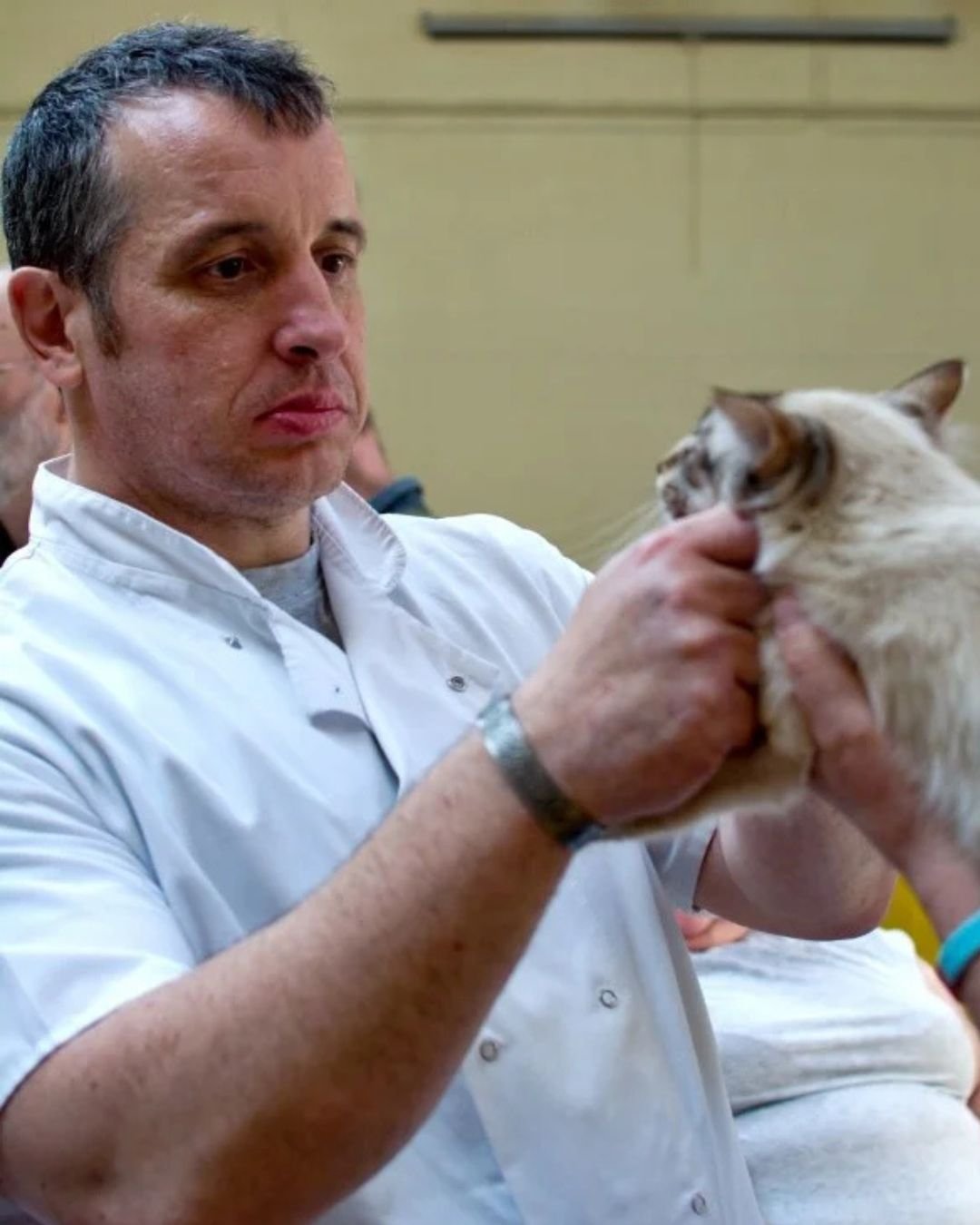
Caramel Point is where it gets interesting. Caramel is created by the dilute modifier gene acting on an already-dilute eumelanin colour — Blue, Lilac, or Fawn — giving the points a distinctive brownish-grey tone with a slightly metallic sheen. There are three caramel variants: Blue-based Caramel (built on SIA a), Lilac-based Caramel (on SIA c), and Fawn-based Caramel (on SIA p). Telling them apart is a skill in itself, and this is the colour that causes the most debate at shows. I say that as someone who has had to make the call more times than I can count.
Red Point (SIA d)
Red Point has warm reddish-gold points on an apricot-white body. Sometimes called Flame Point in the US, though we do not use that term in the UK. Reds are genetically distinct from the eumelanin family — they come from phaeomelanin, the orange-pigment side of feline colour genetics, and the gene is sex-linked on the X chromosome. That is why you cannot get a Red Point male without the mother carrying the gene. The points often show faint tabby markings even in self-pointed cats, which is called “ghost barring” and is not penalised by judges. EMS code: SIA d.
Cream Point (SIA e)
Cream Point is the dilute of Red. Very pale, cool cream points that can be so subtle they almost disappear against the body colour in some cats. Creams are beautiful but can be a challenge on the show bench because the contrast is so delicate — good lighting matters. EMS code: SIA e.
Apricot Point (SIA e + caramel modifier)
Apricot Point is the caramel equivalent in the red series — the dilute modifier gene acting on a Cream base produces a warm, soft apricot tone that sits somewhere between Red and Cream but with a distinctive metallic quality. Apricots are rare and genuinely lovely — they have a warmth that photographs never quite capture.
The Pattern Variants — Tortie Points and Tabby Points
On top of the ten self point colours, each colour can also come in patterned versions — and this is where the thirty-two GCCF-recognised combinations come from.
Tortie Points (SIA f, g, h, j)
Tortie Points are female-only (with extremely rare exceptions) and show a mixture of their base colour with red or cream randomly mingled in the points. No two Tortie Points have the same pattern — every single one is unique. The EMS code depends on the base: Seal Tortie is SIA f, Blue Tortie is SIA g, Chocolate Tortie is SIA h, and Lilac Tortie is SIA j.
I have a real soft spot for Torties. Breeders joke that Tortie Points have “tortitude” — a particular kind of feisty, opinionated personality — and in my experience there is absolutely something in it.
You can also get Tortie Tabby Points — the tabby pattern combined with the tortie patchwork. They are visually complex and absolutely gorgeous, though judging the colour accuracy of a Tortie Tabby Caramel Point is the sort of challenge that keeps judges sharp.
Tabby Points / Lynx Points (SIA base + 21)
Tabby Points (sometimes called Lynx Points outside the UK) have clear tabby striping on their points instead of solid colour. You will see the classic “M” marking on the forehead, striped legs, and a ringed tail. The body may show faint ghost tabby markings too. Tabby Points come in every base colour — so you can get Seal Tabby (SIA n 21), Blue Tabby (SIA a 21), Chocolate Tabby (SIA b 21), and so on. The “21” suffix is the EMS code for the tabby pattern; add it to any base EMS code. Tabby Points are striking cats with a lot of visual interest, and the pattern can actually help show off the underlying colour more clearly than the self version in some cases.
How Siamese Colour Genetics Works
I am not going to turn this into a genetics lecture — if you want the deep dive, our article on Siamese cat genetics covers the science in detail, and if you are seriously thinking about producing colours yourself my cat breeding pillar walks through the whole process from stud selection to raising a litter. But here is the basic principle every breeder works with.
The pointed pattern is recessive. Both parents must carry the gene for it to express. That is why you will never get a Siamese kitten from two non-pointed parents — though you can get pointed kittens from two carriers who look completely non-pointed themselves.
Colour in Siamese follows standard feline genetics. Eumelanin (dark pigment) sits at the B locus: Seal is dominant, Chocolate is a separate allele at the same locus, and Cinnamon is a third allele further reducing pigment. The D (dilute) locus turns each into its dilute form — Seal becomes Blue, Chocolate becomes Lilac, Cinnamon becomes Fawn. Phaeomelanin (orange pigment) is carried on the X chromosome at the O locus: the Red Point gene is sex-linked, which is why Tortie Points are almost always female — they need two X chromosomes to display both a base colour and red. Cream is the dilute of Red. The dilute modifier (Dm) gene acts on already-dilute colours: applied to Blue, Lilac, or Fawn it produces the Caramel variants; applied to Cream it produces Apricot.
For breeders, understanding this means you can predict — within reason — what colours a litter might produce. But genetics being genetics, there is always room for surprises. I have had litters where the colour did not become obvious for weeks, and more than one “definitely a Chocolate” that turned out to be a Cinnamon. For a detailed look at how inheritance plays out in practice, see the GCCF breed information pages — they publish the authoritative UK standard for every recognised colour and pattern.
How to Identify Your Siamese’s Point Colour
If you have brought home a kitten and are trying to work out exactly what colour they are — or if you are studying for a judging qualification — here is how I break the identification down in practice.
Step 1 — Is it a self or a pattern?
Look at the ears, face mask, and legs. If the colour is solid and even, you are dealing with a self (solid) point. If there are clear stripes, an “M” on the forehead, or ringed markings on the tail, it is a tabby point. If there is a random patchwork of two colours mingled together, it is a tortie point. If you see both tabby stripes AND tortie patches, it is a tortie tabby point.
Step 2 — Warm or cool tone?
Hold the cat in natural daylight and look at the tone. Warm (brown, golden, reddish) points point you toward Seal, Chocolate, Cinnamon, Red, or their patterned/diluted variants. Cool (grey, silver, frosty) points point you toward Blue, Lilac, Fawn, Cream, or Caramel.
Step 3 — Dark or diluted?
Within the warm group: Seal is deepest/darkest, Chocolate is medium milk-chocolate, Cinnamon is lighter with a reddish warmth. Within the cool group: Blue is a mid slate-grey, Lilac is a pale pinkish-grey, Fawn is paler still with a warm mushroom tone.
Step 4 — Check the nose and paw pads
Nose leather and paw pads are a reliable tell-tale. Seal = dark brown. Blue = slate blue. Chocolate = pinkish-brown. Lilac = faded pinkish-grey. Red = pink. Cream = very pale pink. A cat whose points look ambiguous will often have distinctive nose leather that settles the question.
Step 5 — When in doubt, ask a GCCF judge
If you still cannot decide — especially between subtle pairs like Chocolate vs Cinnamon or Lilac vs Caramel — take photos in natural light and ask an experienced breeder or judge. The Siamese Cat Association and Siamese Cat Club both run help-lines and are happy to identify difficult colours. Do not rely on pet-shop photos or breeder Instagram captions as your reference — they can be mislabelled.
Balinese and Orientals — The Related Breeds
Siamese colours do not exist in isolation. Two closely related breeds carry the same colour palette — and if you are interested in Siamese, you will inevitably come across them.
The Balinese is essentially a semi-longhaired Siamese. Same pointed pattern, same colour range, same personality — but with a flowing, silky coat instead of the short Siamese coat. Balinese use the same EMS codes as Siamese with a different breed prefix (BAL rather than SIA) and follow the same GCCF standard of points apart from coat length. We will be adding full Balinese breed profiles to this site in due course.
The Oriental is the non-pointed version. Where Siamese have colour restricted to the points, Orientals carry the full-expression gene and display colour across the entire body. The range is enormous — over three hundred colour and pattern combinations are recognised. Orientals come in both Shorthair (OSH) and Longhair (OLH) varieties. Full Oriental breed profiles will also be coming to this site.
All three breeds share the same body type, personality, and breed group heritage — they are all part of what the GCCF calls the Siamese and Oriental Breed Group. If you love one, there is a very good chance you will love the others.
Choosing a Colour — Does It Actually Matter?
New owners always ask me this. “Which colour is best?” or “Is there a difference in personality between Seal Points and Lilacs?”
The honest answer is: not really. All Siamese share the same breed characteristics regardless of colour — they are vocal, social, intelligent, demanding, and utterly devoted to their people. I have had Seals, Blues, Lilacs, and Chocolates and the personality differences between individual cats have always been far bigger than any colour-based trend.
What colour does affect is what your cat looks like as it ages. Seals darken significantly over the years. Blues stay paler. Lilacs keep the sharpest contrast the longest. Reds can develop more obvious ghost tabby marks. If you have a strong visual preference, that is a perfectly good reason to choose one colour over another. Price-wise, pedigree Siamese kittens from GCCF-registered breeders in the UK sit around £1,000–£1,200 regardless of colour — the rarer colours (Fawn, Apricot, Caramel variants) are not systematically more expensive, they are just harder to find.
My advice? If you are buying a kitten, choose a good breeder first and worry about colour second. A healthy, well-socialised kitten from a reputable breeder — one who does the health testing, raises kittens in the home, and cares about temperament — is always going to be a better choice than a specific colour from a less careful breeder. Read my article on finding a good cat breeder if you are not sure where to start. You can also find GCCF-registered breeders in our Breeders & Kittens Directory.
Siamese Colour Glossary
- Points
- The darker colour on a Siamese cat’s ears, face, paws, and tail. Caused by a temperature-sensitive gene.
- Self Point
- A Siamese whose points are a single, solid colour. The ten self colours in genetic order are Seal, Blue, Chocolate, Lilac, Cinnamon, Fawn, Caramel, Red, Cream, and Apricot.
- Tabby Point (Lynx Point)
- A Siamese whose points show tabby striping instead of solid colour. The American term is “Lynx Point.” EMS pattern code is “21” added to the base (e.g. SIA n 21 = Seal Tabby Point).
- Tortie Point
- A Siamese whose points show a random patchwork of two colours (base colour + red or cream). Almost always female because the red gene is sex-linked. EMS codes: SIA f (Seal Tortie), SIA g (Blue Tortie), SIA h (Chocolate Tortie), SIA j (Lilac Tortie).
- Eumelanin
- The dark (black/brown) pigment family. In Siamese, eumelanin colours are Seal, Blue, Chocolate, Lilac, Cinnamon, and Fawn.
- Phaeomelanin
- The red/orange pigment family, carried on the X chromosome. In Siamese, phaeomelanin colours are Red and Cream.
- Ghost Barring
- Faint tabby-like markings visible in self-point Reds and Creams. Not penalised by judges.
- Dilute Modifier (Dm)
- A gene that acts on already-dilute colours to produce a brownish-grey tone with metallic sheen. Applied to Blue, Lilac, or Fawn it produces Caramel variants; applied to Cream it produces Apricot.
- Tyrosinase
- The enzyme whose temperature-sensitive mutation causes the Siamese pointed pattern. Only produces pigment below a certain body temperature.
- Colourpoint / Pointed Pattern
- The distinctive Siamese pattern of a pale body with darker extremities. Recessive — both parents must carry the gene for it to express.
- EMS Code
- Easy Mind System — the international feline colour coding system used by GCCF, FIFe and most European registries. Format is BREED + base colour letter + optional pattern number. Examples: SIA n = Seal Point, SIA a = Blue Point, SIA b = Chocolate Point, SIA c = Lilac Point, SIA n 21 = Seal Tabby Point, SIA f = Seal Tortie Point. Replaces the older GCCF two-digit breed numbers.
- Standard of Points (SOP)
- The GCCF’s written description of the ideal Siamese — body, head, eyes, coat, and colour. What judges score against at shows.
- Breed Number (Deprecated)
- The old two-digit GCCF registration code for each colour variant (e.g. 24 = Seal Point, 24a = Blue, 24b = Chocolate, 24c = Lilac). You may still see these on older pedigrees and reference material. Modern GCCF paperwork uses EMS codes instead.
- Flame Point
- American term for Red Point. Not used in the UK.
Frequently Asked Questions
The Siamese cat colour questions new owners ask me most often — with straight answers and the EMS codes where they help.
How many colours of Siamese cat are there?
The GCCF recognises thirty-two colour and pattern combinations. These are made up of ten self point colours (Seal, Blue, Chocolate, Lilac, Cinnamon, Fawn, Caramel, Red, Cream, and Apricot) plus tabby, tortie, and tortie tabby versions. Other registries such as the CFA only recognise the four classic colours (Seal, Blue, Chocolate, and Lilac), which is why you may see different numbers depending on where you look.
What are EMS codes and why did GCCF change from breed numbers?
EMS (Easy Mind System) is the international feline colour coding system used by GCCF, FIFe, and most European registries. It replaces the older GCCF two-digit breed numbers (24, 24a, 24b, 24c) with a standardised alphanumeric system that works across registries and countries. Examples: SIA n = Seal Point, SIA a = Blue Point, SIA b = Chocolate Point, SIA c = Lilac Point, SIA n 21 = Seal Tabby Point, SIA f = Seal Tortie Point. Modern GCCF pedigree paperwork uses EMS codes. You may still see the old breed numbers on historical paperwork or older reference websites.
Why are Siamese cats born white?
Siamese carry a temperature-sensitive gene that only allows pigment to develop where the skin is cool. Inside the womb, the kitten’s entire body is warm, so no colour appears. Once born, the extremities — ears, nose, paws, tail — cool down and colour starts developing within the first two weeks.
Do Siamese cats change colour?
Yes. Siamese gradually darken throughout their lives because of the temperature-sensitive gene. As a cat ages and circulation slows, more of the body drops below the threshold and colour develops. Older Seal Points in particular can become very dark indeed. Cold environments also deepen the colour — a Siamese living in an unheated barn would develop more colour than one snuggled on a radiator all day.
What is the rarest Siamese colour?
Fawn Point (SIA p), Apricot Point, and the Caramel variants are the rarest because fewer breeders work with these colours. The Fawn-based Caramel is probably the single hardest colour to find in the UK. The classic four (Seal, Blue, Chocolate, Lilac) and Red are the most commonly bred.
Are Tabby Point Siamese real Siamese?
Absolutely. Tabby Points are fully recognised Siamese under the GCCF and have been since the 1960s. They are not a cross-breed or a mix — they are pedigree Siamese cats that carry the tabby gene in addition to the pointed gene. In the US, some registries classify tabby pointed cats separately as “Colorpoint Shorthairs” rather than Siamese, which causes confusion, but in the UK there is no distinction — a Tabby Point Siamese is a Siamese.
Why are most Tortie Point Siamese female?
The red gene in cats is sex-linked, carried on the X chromosome. Females have two X chromosomes, so they can carry both a base colour gene and a red gene — producing the mottled tortie pattern. Males have only one X, so they can show one colour or the other, not both. The rare exceptions are XXY males (Klinefelter syndrome), which are almost always sterile.
Can you show a household pet Siamese?
Yes — GCCF shows have dedicated household pet classes where any cat, pedigree or not, can be shown. Your cat does not need to be a perfect example of the breed standard. Household pets are judged on condition, temperament, and overall appeal. It is a great way to experience showing without the pressure of competing against seasoned exhibitors in the pedigree classes.
How can I tell a Lilac Point from a Lilac-based Caramel?
This is one of the hardest calls even for experienced breeders. A pure Lilac (SIA c) has a clean, cool pinkish-grey tone. A Lilac-based Caramel has the same base but with a distinctive brownish or metallic sheen from the dilute modifier gene. In natural light, hold the cat against a white background — the brownish undertone of the Caramel usually becomes visible. When the call is genuinely 50/50, a GCCF judge has the final word.
Do Siamese and Oriental cats interbreed?
Yes — Siamese and Orientals are the same breed group under the GCCF and interbreed routinely. Two Orientals can produce Siamese kittens if both carry the pointed (colourpoint) gene, and two Siamese cannot produce Orientals but can produce Balinese (longhair Siamese) if both carry the longhair gene. The breeds share the same body type, personality, and standard of points apart from colour expression and coat length.
What age will my Siamese kitten’s final colour be visible?
Points start appearing around 7–10 days old, beginning with the ears and nose. By 3–4 weeks you can usually identify the colour. Full colour develops over several months — a Seal Point kitten looks quite pale at 8 weeks and only reaches full adult colour by around 12–18 months. Kittens also continue to darken throughout their adult life, especially Seals.
Bringing home a kitten? Don’t wing it.

I wrote an eBook for new kitten owners that covers everything you actually need to know — how to prepare your home, what to feed, litter training that actually works, stopping the biting and scratching, reading your kitten’s body language, and what’s normal versus what’s not. It comes with printable checklists, a vaccination record and a first-week diary.
It’s called Kitten Care for New Cat Owners, it’s an instant download, and it will save you a lot of late-night Googling at 4am.
Browse Every Siamese Colour — Visual Index
Click any colour below to see the full profile — breed standard, history, genetics, and what that colour really looks like in the flesh. For a side-by-side visual comparison of every recognised Siamese colour, see our Siamese Colour Chart.
-
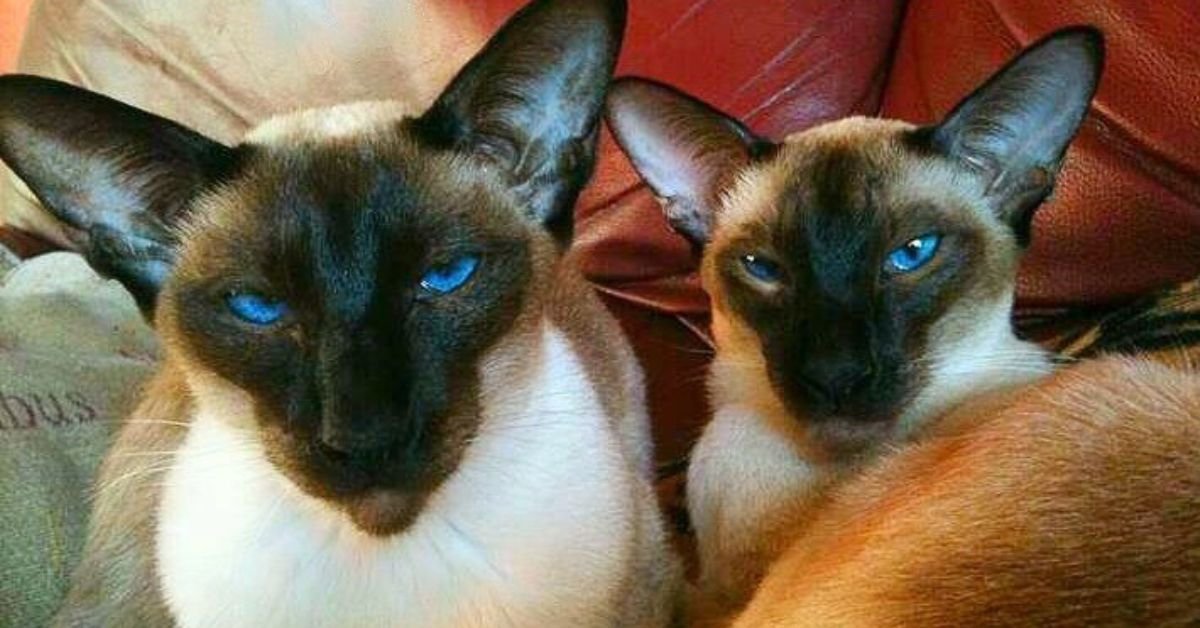
Seal Point Siamese Cats
When you mention a Siamese cat to anyone down the pub, I’d bet nine times out of ten they’re picturing a seal point siamese in their mind. That classic contrast — the dark points against the pale cream body, those piercing sapphire blue eyes — it’s become the very definition of what a Siamese looks…
-
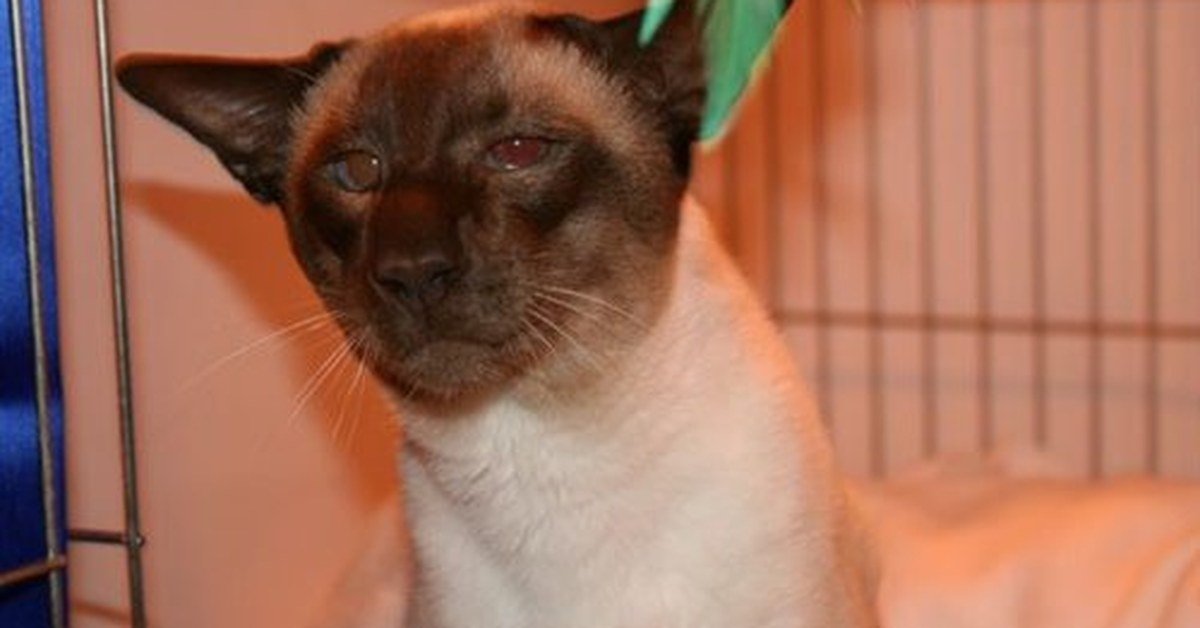
Chocolate Point Siamese Cats
Chocolate point Siamese cats are one of the four traditional Siamese colours recognised by the GCCF — and one of the most visually striking. Where the seal point is dark and dramatic, the chocolate point Siamese is warm and inviting, with rich milk-chocolate brown points contrasting against a clean ivory body. If you’ve been searching…
-
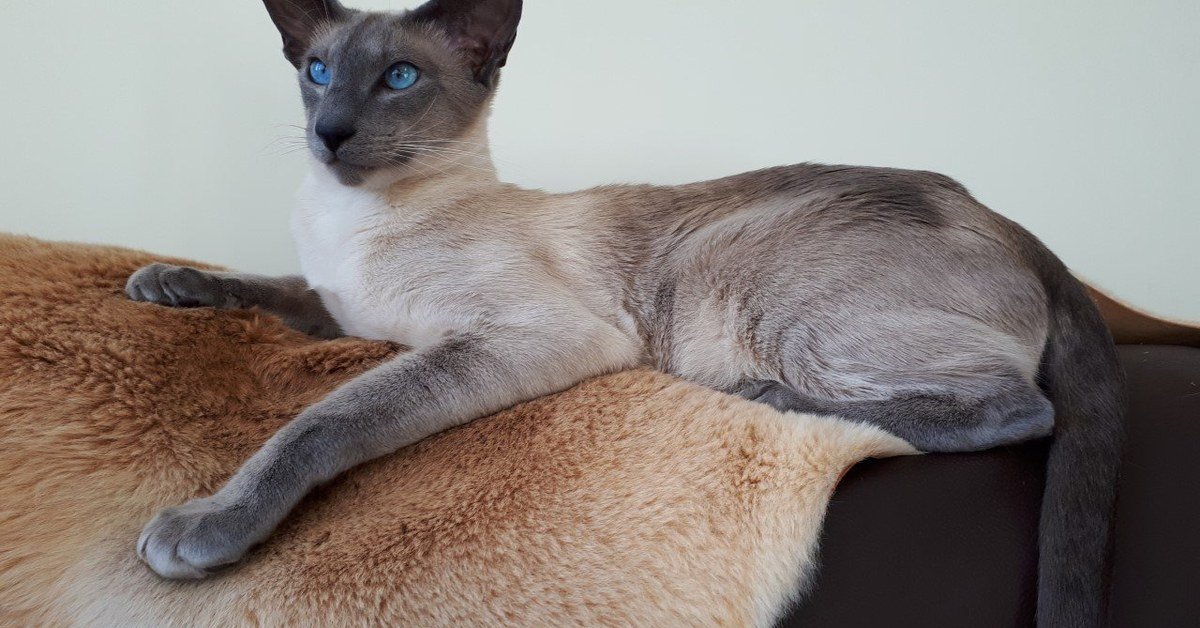
Blue Point Siamese Cats
There’s something about a blue point Siamese that stops you in your tracks. That cool, glacial white coat against those slate-grey points — it’s quieter than a seal point, less dramatic, but somehow just as striking. Maybe more so, because it sneaks up on you. I’ve been breeding and judging Siamese for over twenty years,…
-
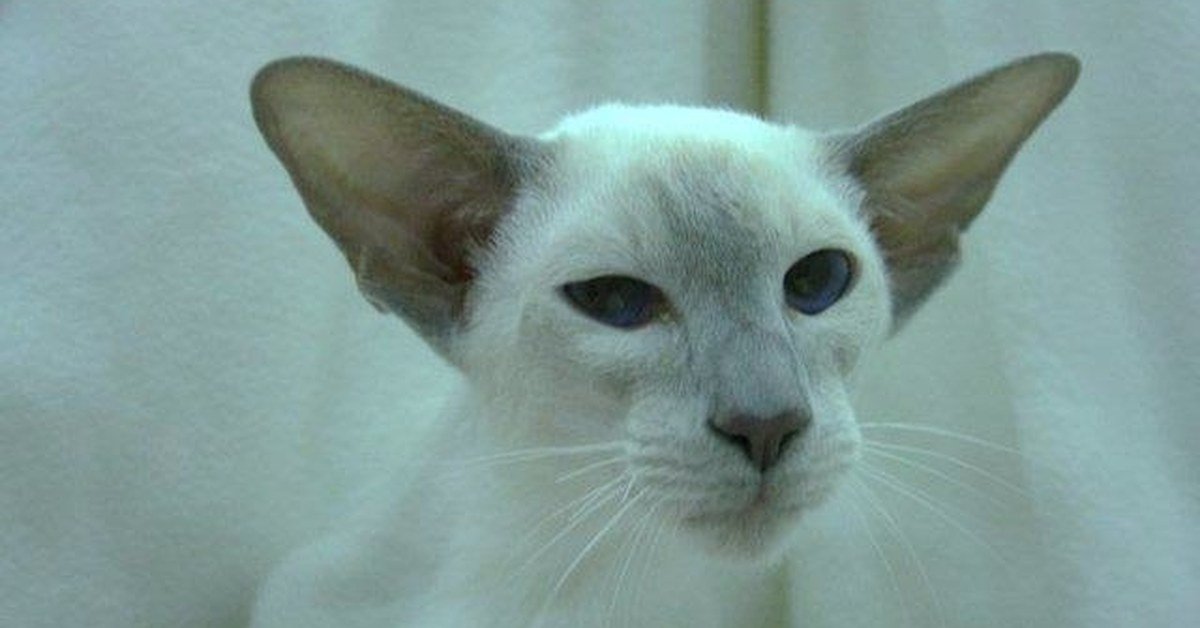
Lilac Point Siamese Cats
When I first started judging Siamese at shows in the early 1990s, I’ll admit I was initially skeptical about lilac point Siamese as a genuine colour. Not because they weren’t beautiful — they’re ethereal — but because I’d seen too many breeders present mediocre blues and call them lilacs. Yet having spent over twenty years…
-
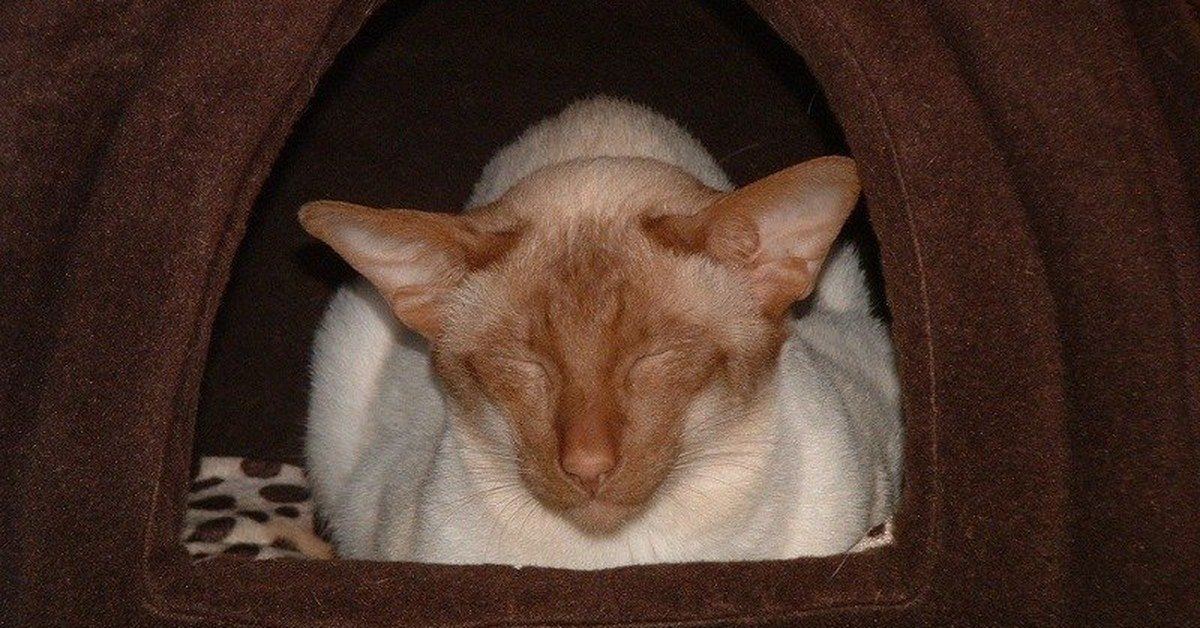
Cinnamon Point Siamese Cats
Cinnamon point Siamese cats are among the most striking and distinctive colour variants in the breed, yet they remain relatively uncommon and often misunderstood by those encountering them for the first time. With their warm, cinnamon-brown points contrasting beautifully against an ivory body, these cats represent a fascinating chapter in Siamese colour genetics and breeding…
-
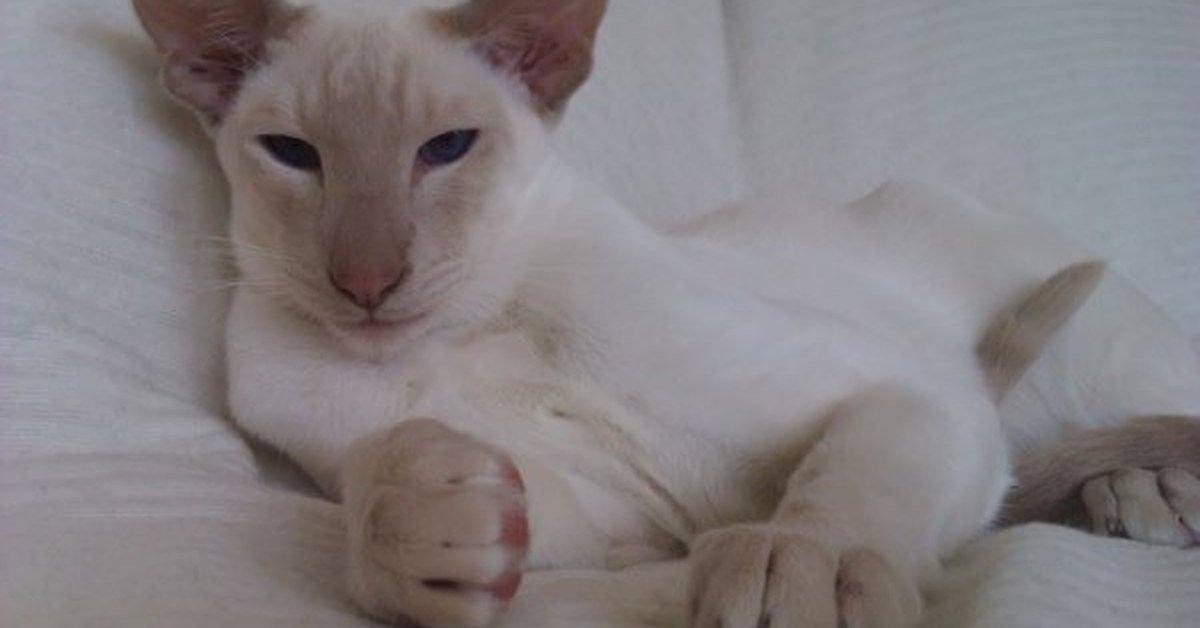
Fawn Point Siamese Cats
Fawn point Siamese cats are among the most ethereal and captivating colours in the entire Siamese breed. With their soft, pale rosy mushroom points contrasting against a pristine off-white body, these cats possess a delicate beauty that sets them apart from their seal, chocolate, and blue-pointed cousins. Yet despite their striking appearance and championship status…
-
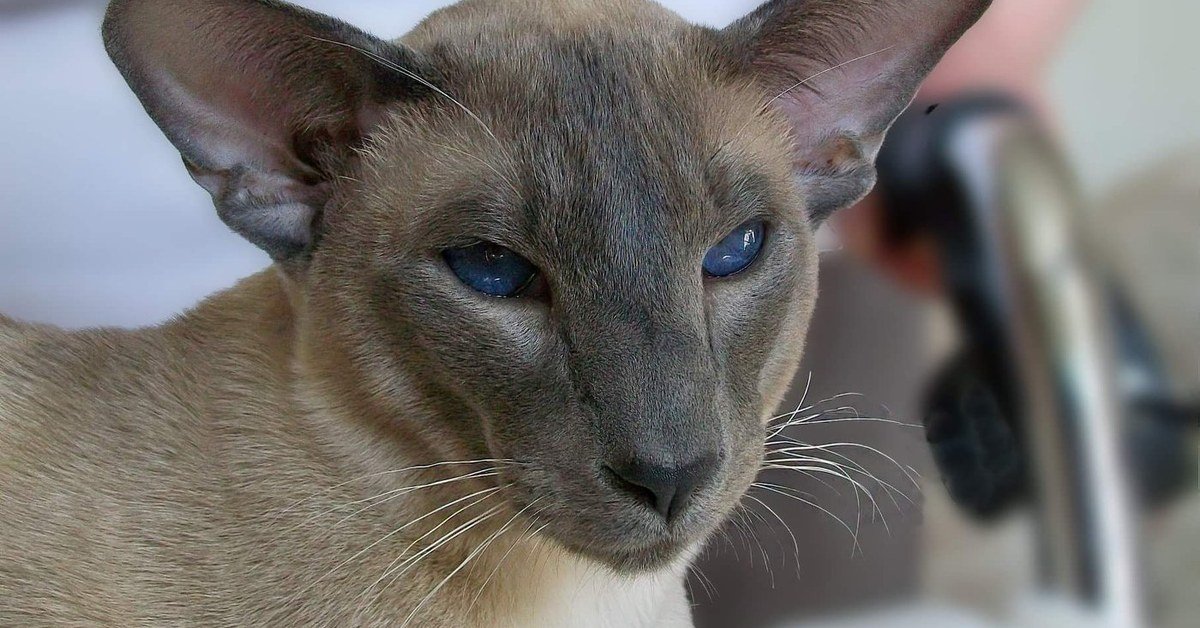
Caramel Point Siamese Cats
Caramel point Siamese cats represent one of the breed’s most striking and increasingly popular colour variations, characterised by their warm, brownish-toned points that develop from the Dilute Modifier gene. These elegant felines captivate breeders and enthusiasts with their sophisticated appearance and the genuine rarity of the colouration, particularly in the early stages of the breed’s…
-
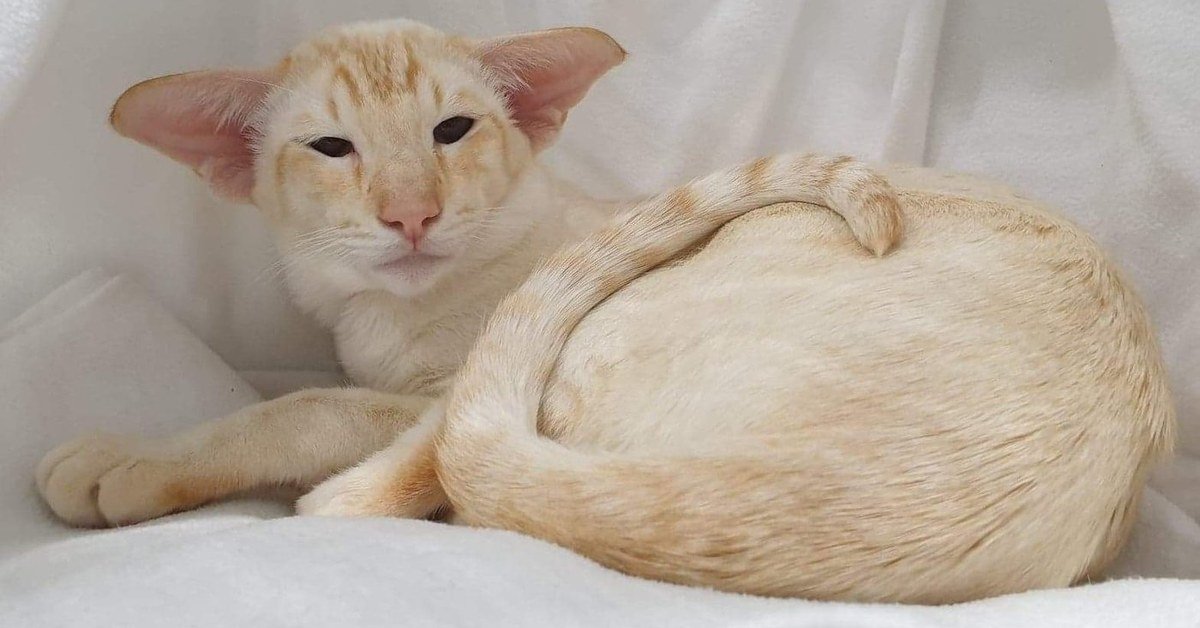
Red Point Siamese Cats
Red point Siamese cats are one of the most striking colour varieties of this ancient breed, featuring a warm cream body contrasted with rich reddish-gold points on the mask, ears, legs and tail. Often called “flame point” Siamese in America, red point is actually a separate genetic colour caused by the sex-linked orange gene, not…
-
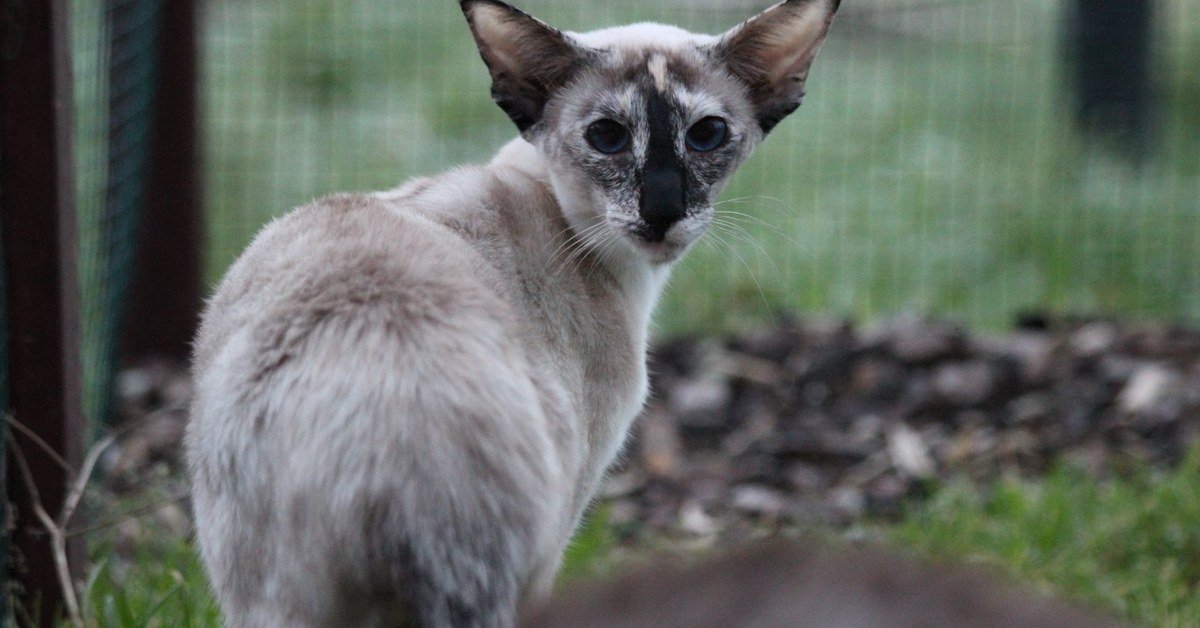
Tortie Point Siamese Cats
If you’ve spent any time around tortie point Siamese cats, you’ll know they’re not for the faint-hearted. After judging Siamese for over two decades with the GCCF, I can tell you that a tortie point Siamese isn’t just a colour variation — it’s a whole personality philosophy wrapped up in a beautifully patched coat. These…
-
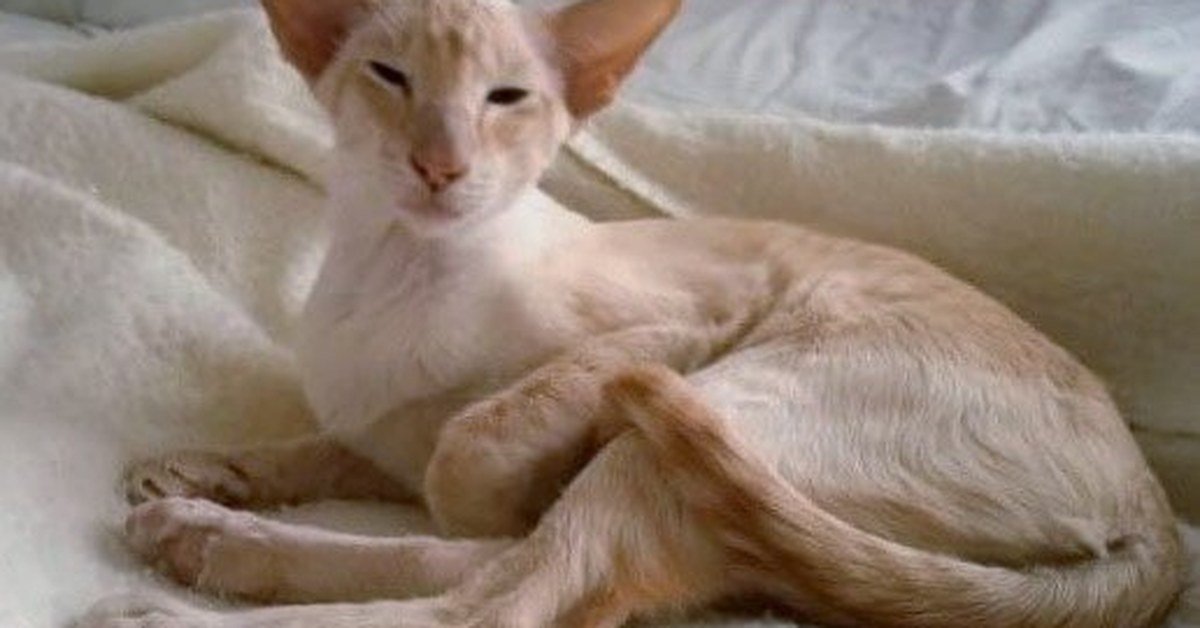
Apricot Point Siamese Cats
Apricot point Siamese explained: the rare, warm caramel-modified cream colour, how it differs from cream point, the genetics, rarity, temperament and breed standard.
-
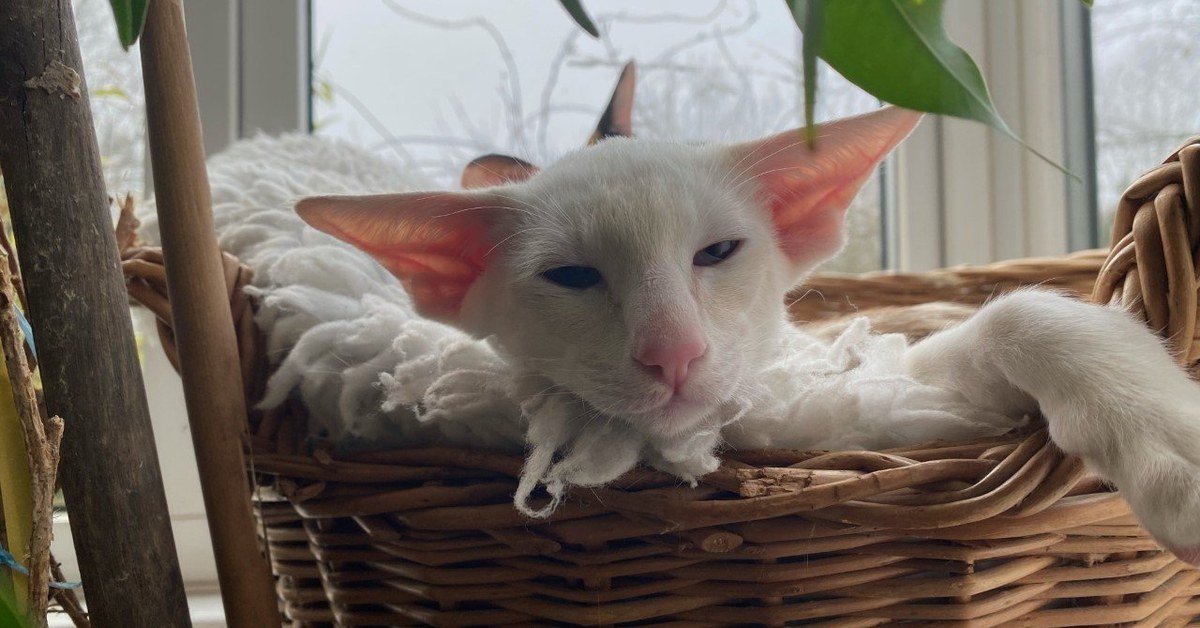
Cream Point Siamese Cats
Cream point Siamese cats are one of the subtlest and most elegant colour varieties in the breed. With pale, cool cream points on an almost-white body, the cream point Siamese has a delicacy that’s quite unlike the bolder traditional colours. If you’re looking for information about cream point Siamese cats, wondering how they differ from…
-
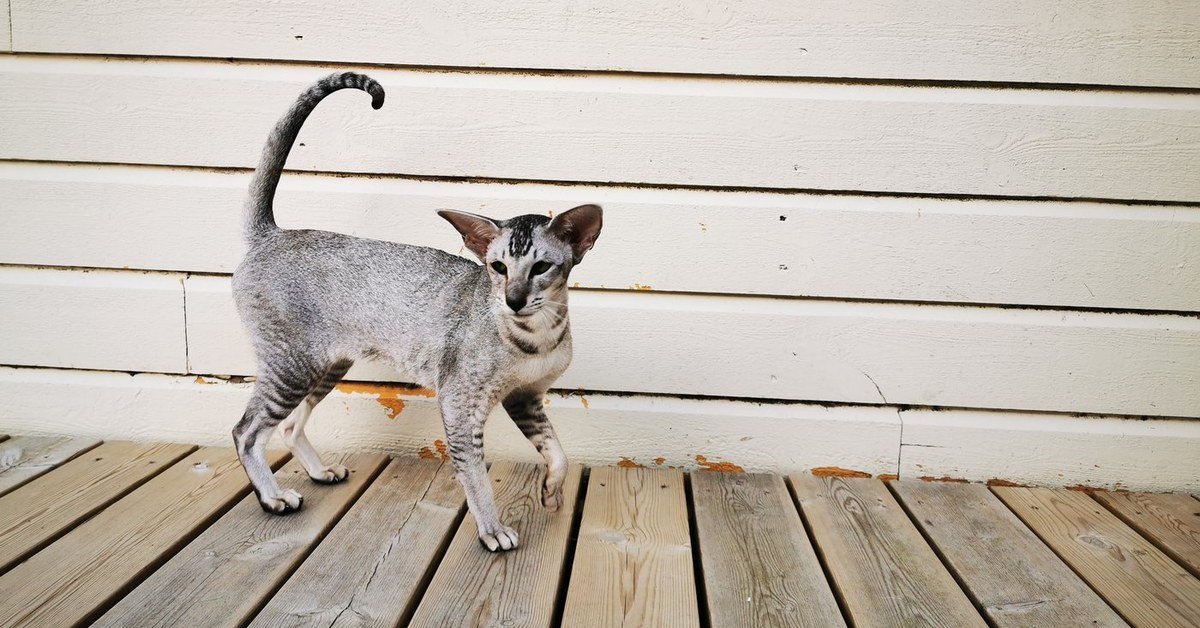
Tabby Point Siamese Cats
Tabby point Siamese cats have striped, patterned points on their ears, face mask, paws and tail — the distinctive tabby markings overlaid onto the Siamese pointed pattern. They are sometimes called lynx point Siamese (particularly in the United States), and they come in every recognised Siamese colour: seal tabby, blue tabby, chocolate tabby, lilac tabby,…
More About Siamese Cats
Browse all of our breed profile articles below — from colour genetics to temperament, history, and choosing the right cat for you.
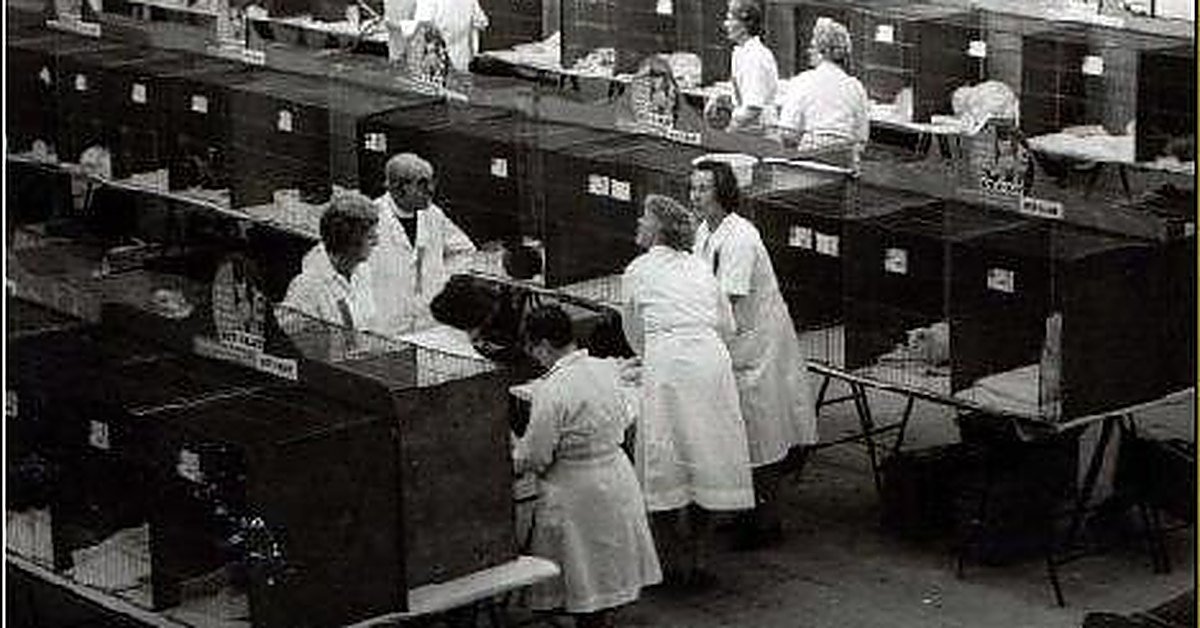
History of Siamese Cats
Few cats carry their history as visibly as the Siamese. From the temples of ancient Siam to their 1884 arrival in Britain and the breed we show today — the full story of where these remarkable cats come from.
More breed profile articles coming soon.