This is the Siamese cat owners guide I wish I’d had in 2002. Nobody told me what I was getting into. No breeder sat me down and said, “Right, here is what your life looks like now.” I worked it out the hard way — at 4am, with a yelling cat on my chest, wondering whether I had adopted a pet or signed up for a hostage situation.
Twenty-four years, many cats, and one breeding programme later, I know exactly what Siamese ownership actually involves. Not the sanitised version you get from generic pet websites. The real version. The brilliant bits, the expensive bits, and the bits that make you question your life choices at least once a week.
This page is the guide I wish someone had handed me before I brought that first kitten home. It covers everything — choosing a breeder, preparing your house, the real costs, daily care, feeding, and the mistakes I see new owners make over and over again. If you are thinking about getting a Siamese, start here. If you already have one, there is probably something useful in here too.
Browse our owner’s guide articles
Are Siamese cats easy to take care of? Yes and no. Physically, Siamese cats are low-maintenance — short coat, minimal grooming, generally healthy breed. But they are high-maintenance emotionally. They need company, stimulation, and interaction every single day. A bored Siamese will redecorate your house in ways you did not authorise. If you work from home or have another cat for company, they are one of the most rewarding breeds you can own. If you are out twelve hours a day and want a cat that sleeps on the windowsill, pick a different breed.
In short: Siamese cats are easy to care for physically but demanding socially. They are best suited to owners who are home regularly, happy to interact with their cat, and prepared for a pet that behaves more like a small, opinionated flatmate than a traditional cat.
Key Takeaways
- Siamese cats are physically low-maintenance but emotionally demanding — daily interaction is non-negotiable.
- Buy from a GCCF-registered breeder with health-tested parents. Budget £1,000–£1,200 for a pet kitten.
- First-year ownership costs run £1,400–£2,500. Ongoing annual cost: £700–£1,200.
- Indoor or secure outdoor access is strongly recommended — Siamese are trusting and vulnerable outdoors.
- Siamese live 15–20 years. That is a serious commitment — plan for it.
- Two Siamese together are significantly less destructive than one alone. If you are out all day, get two.
- Lifetime pet insurance from day one is one of the most important purchases you will make after the cat itself.
Is a Siamese Cat Right for You?
I love Siamese cats. That should be obvious. But I am also honest enough to tell you they are not for everyone, and I would rather you knew that now than discovered it six months in.
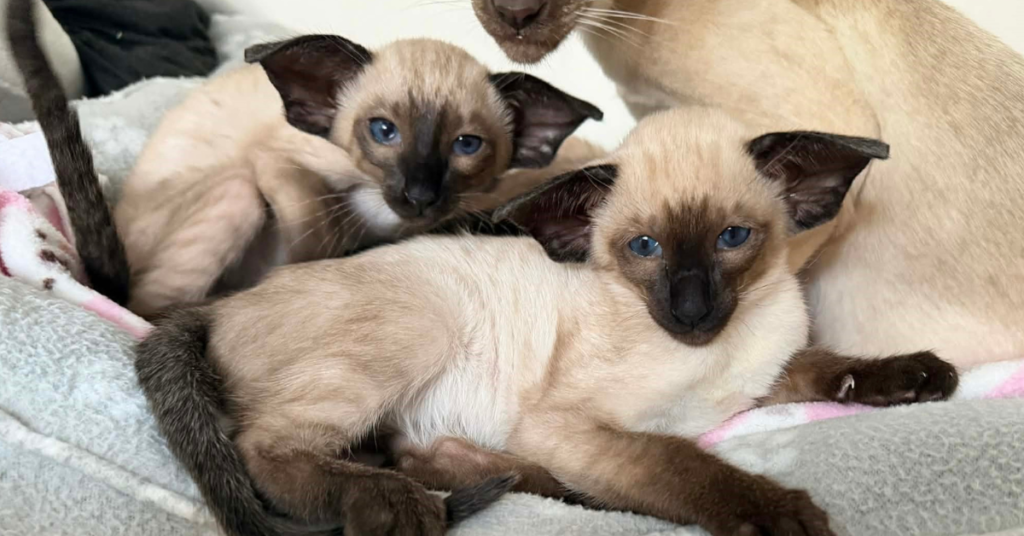
A Siamese will follow you from room to room. They will sit on your keyboard while you work. They will yell at you — loudly, persistently, and with genuine conviction — when they want food, attention, or simply feel you have been ignoring them for more than eight minutes. They are clever enough to open doors, stubborn enough to keep trying when the first method fails, and affectionate enough to make you forgive absolutely everything. For a deeper look at the breed’s history, colours, and personality, see our detailed Siamese cat breed profile.
If that sounds wonderful, you are in the right place. If that sounds exhausting, it is — gloriously so. But if you want a quiet, independent cat who sleeps all day and greets you with dignified indifference, a Siamese will drive you mad. Consider a different breed instead.
| What You Get | What It Costs You |
|---|---|
| A deeply affectionate, loyal companion | They need you around — separation anxiety is common |
| A highly intelligent, trainable cat | Boredom leads to destruction — they need stimulation |
| A social cat who is great with children and other pets | They do not do well as the only pet in a busy household |
| Minimal grooming needs — short, sleek coat | They feel the cold — expect them on your bed, your lap, and your radiator |
| A vocal, conversational personality | They are loud — neighbours in flats may notice |
| A long-lived breed (15–20 years typical) | That is a serious commitment — plan for it |
Choosing a Breeder — What to Look For
This is where most new owners make their first mistake, and it is often the most expensive one. A good breeder will sell you a healthy, well-socialised kitten from health-tested parents, with a pedigree, vaccination records, and a contract. A bad breeder will sell you a problem that shows up at the vet six months later.
Look for breeders registered with the GCCF (Governing Council of the Cat Fancy) or TICA. Ask to see health test results — specifically for PRA (Progressive Retinal Atrophy) and genetic disease screening. Ask the breeder for photos and videos of the kittens with their mother. A good breeder will happily send WhatsApp videos, chat on the phone, and answer every question you have. This kind of communication can be just as good as a home visit and is a great way to get to know each other before you collect your kitten.
We have a full article on finding a good cat breeder and another on ten questions to ask a Siamese breeder before you hand over any money. Read both before you start looking. You can also browse registered Siamese breeders in our directory. And if you are curious about what responsible breeding actually looks like from the other side, see my breeding Siamese cats pillar — it covers GCCF registration, genetics, costs, and the day-to-day of a working breeder.
Bringing Your Kitten Home
The first forty-eight hours matter more than most people realise. A Siamese kitten leaving its mother, its littermates, and the only home it has ever known is stressed — even if it does not show it immediately. Your job is to make the transition as calm as possible.
Before collection day, you need a secure room set up with food, water, a litter tray, a bed, and something that smells of the kitten’s previous home (ask the breeder for a blanket or cloth). Do not give the kitten the run of the house on day one. A single quiet room lets them adjust without being overwhelmed.
We have a full new kitten checklist that covers everything you need to buy and prepare, and a step-by-step guide on bringing a kitten home for the first time. There is also a separate article on settling a new kitten into an established household. For a neutral welfare perspective on new-cat welfare and settling in, iCatCare is the best independent resource in the UK.
Kitten-proof your home before they arrive. Siamese kittens are climbers, explorers, and investigators. If something can be knocked off a shelf, it will be. If a cable can be chewed, it will be tested. Read our kitten safety guide — it covers the things you will not think of until it is too late.
Daily Care and Grooming
One of the genuine advantages of Siamese cats is that they are low-maintenance on the grooming front. Their short, close-lying coat does not mat, does not tangle, and does not need the daily combing that longhaired breeds demand. A weekly brush is enough to remove loose hair and keep the coat looking good.
Dental care matters more than most owners realise. Siamese cats can be prone to dental issues including tooth decay and bad breath. Get your kitten used to having its teeth checked early, and discuss dental care with your vet at each checkup.
The daily care that really matters with a Siamese is not physical — it is mental. These are intelligent, active cats that need interactive toys, enrichment, and genuine play time every day. Fifteen minutes of dedicated play with a wand toy or laser pointer makes a bigger difference to your Siamese’s wellbeing than any grooming routine. See our behaviour and training guide for enrichment ideas, or Cats Protection for general welfare guidance.
Feeding Your Siamese
Siamese cats are generally not fussy eaters, but they are prone to becoming overweight if you free-feed dry food and do not monitor portions. As obligate carnivores, the foundation of their diet should be high-quality wet food with a named meat source as the first ingredient.
I have written a full article on cat nutrition that covers wet vs dry, raw feeding, reading labels, life stages, and the mistakes I see owners make most often. For kittens specifically, feed little and often — four meals a day until around four months, then reduce to three, then two by six months.
Watch their weight. Siamese should be lean and athletic — you should be able to feel their ribs without pressing hard. If your Siamese is looking more barrel than ballerina, have a look at our guide on exercising an overweight cat.
Indoor or Outdoor?
This is one of the most common questions I get from new Siamese owners, and the short answer is: indoor, with outdoor access if you can make it safe.
Siamese cats are trusting, social, and curious — which makes them vulnerable outdoors. They are also valuable pedigree cats and targets for theft. Most reputable breeders will insist on indoor-only or secure outdoor access as a condition of sale.
That does not mean they have to live in a box. Cat-proofed gardens, secure cat runs, and outdoor enclosures give your Siamese fresh air and stimulation without the risks. We have a full article on the indoor vs outdoor debate that covers the arguments both ways, and a guide on keeping indoor cats happy.
The Real Cost of Owning a Siamese
Nobody buys a Siamese cat because it is cheap. But the purchase price is only the beginning. Here is what Siamese ownership actually costs in the UK in 2026.
| Item | Typical Cost | Notes |
|---|---|---|
| Kitten purchase (GCCF registered) | £1,000–£1,200 | Varies by colour, breeder, and whether pet or breeding |
| Initial vet setup (microchip, vaccinations, neutering) | £200–£400 | Some breeders include first vaccinations in the price |
| Equipment (carrier, litter tray, bed, bowls, scratch post) | £100–£250 | A decent cat tree is not optional — budget for it |
| Annual food (quality wet + dry) | £300–£500 | Raw feeding costs more; cheap supermarket food costs less but do not |
| Annual pet insurance | £150–£350 | Lifetime cover recommended — Siamese live 15–20 years |
| Annual vet check + boosters | £80–£150 | Plus unexpected vet bills — budget a contingency fund |
| Litter (monthly) | £15–£30 | Clumping litter is easier but costlier; wood pellets are cheaper |
| Estimated first-year total | £1,400–£2,500+ | Ongoing annual cost after year one: £700–£1,200 |
For a detailed breakdown including money-saving tips, see our full articles on how much a Siamese kitten costs, the annual cost of owning a cat, reducing your vet bills, and money-saving tips for cat owners.
Health — What to Watch For
Siamese cats are generally a healthy breed, but they do have some breed-specific health risks you should know about. The most important are Progressive Retinal Atrophy (PRA), which causes blindness, and amyloidosis, a liver condition more common in Siamese than other breeds. Both can be screened for by a responsible breeder — which is another reason to buy from a GCCF-registered cattery.
We have a full Siamese cat health guide that covers every breed-specific condition, genetic testing, symptoms to watch for, and preventive care. If you want to know what your Siamese is at risk of — and what you can do about it — start there.
The basics: register with a vet before your kitten arrives, keep vaccinations up to date, get lifetime pet insurance from day one (not after the first claim), and microchip your cat. Microchipping is now a legal requirement in the UK for cats.
Mistakes I See New Owners Make
After twenty-two years of breeding and rehoming Siamese cats, I see the same mistakes come up again and again. Most of them are fixable. All of them are preventable.
Buying on impulse. A Siamese kitten is adorable. It is also a fifteen-to-twenty-year commitment. Do the research first. Read this page. Read the behaviour guide. Talk to owners. Visit a cat show and meet the breed in person.
Buying from a non-registered breeder. Cheaper upfront. Expensive in vet bills later. A GCCF-registered kitten comes with health-tested parents, a pedigree, and accountability. A kitten from a Facebook ad comes with none of those things.
Underestimating their social needs. Siamese cats need company. If you are out all day, get two. Seriously. Two Siamese together are significantly less destructive and less anxious than one Siamese alone. The cost difference is modest; the quality-of-life improvement is enormous.
Skipping insurance. “I will just save a bit each month instead.” That works right up until your cat develops a chronic condition that costs £3,000 a year to manage. Lifetime insurance from a quality provider is the most important purchase you make after the cat itself.
Free-feeding dry food. Siamese will eat when bored. Bored Siamese eat a lot. Controlled portions of quality wet food, fed at set times, keeps weight in check and prevents the cascade of health problems that come with obesity.
Siamese Cat Lifespan and Aging
Siamese cats are one of the longest-lived cat breeds. Fifteen to twenty years is normal, and some reach their early twenties. That is a long time — longer than most people’s first car, their first job, and quite possibly their first marriage.
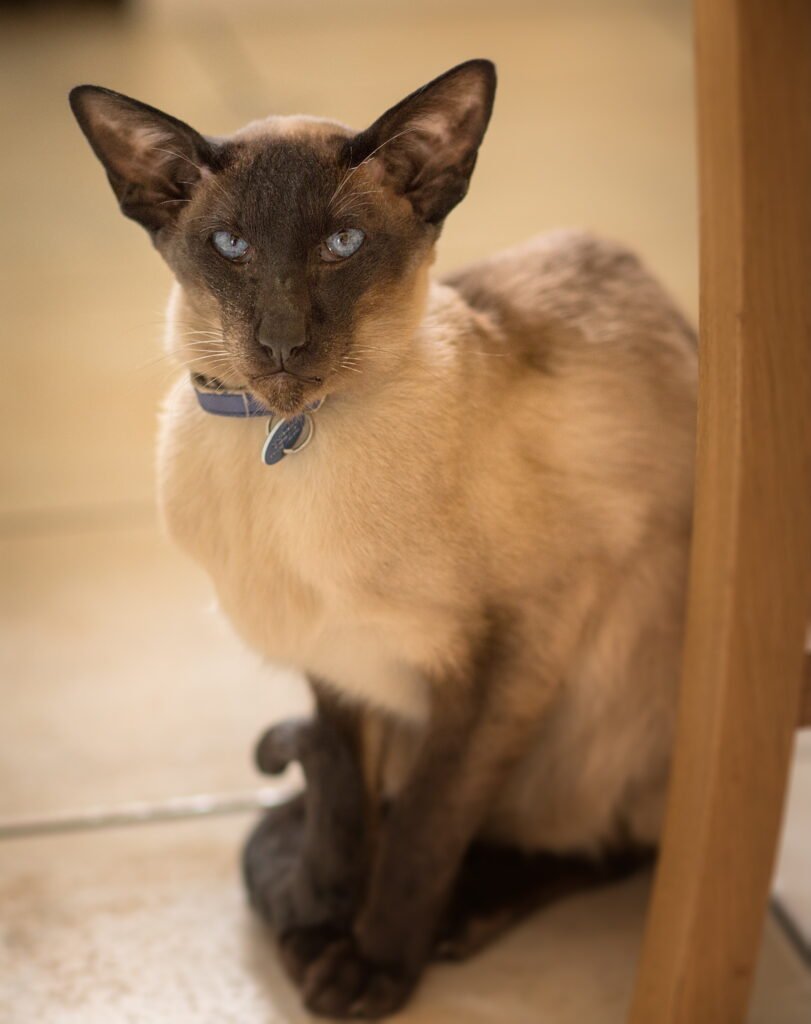
As they age, Siamese cats typically become more sedentary but no less vocal or demanding. Senior cats need more frequent vet checks (twice a year from age ten), dietary adjustments, and monitoring for age-related conditions including kidney disease, hyperthyroidism, and dental deterioration. Our health guide covers all of these in detail.
The emotional side of a long-lived breed is worth thinking about honestly. You are committing to this animal for potentially two decades. Make sure the whole household is on board, and think about who will care for your cat if your circumstances change.
Siamese Owner’s Glossary
Some of the terms you’ll meet as a new Siamese owner, translated into plain English.
- GCCF (Governing Council of the Cat Fancy)
- The UK’s primary registration body for pedigree cats. A GCCF-registered kitten comes with a verifiable pedigree and accountability.
- TICA (The International Cat Association)
- The other main cat registry that operates in the UK. Less common than the GCCF but internationally recognised.
- Active Register / Non-Active Register
- Active = cleared to breed. Non-active = registered pedigree but not for breeding. Most pet kittens go on the non-active register.
- Pedigree
- The documented family tree of a registered cat, typically showing at least three generations of GCCF-registered ancestors.
- PRA (Progressive Retinal Atrophy)
- An inherited eye condition that causes gradual blindness. Responsible Siamese breeders DNA-test for PRA-Rdac and only breed from clear or carrier pairings.
- Amyloidosis
- An inherited condition more common in Siamese than most breeds, causing abnormal protein deposits in the liver and other organs.
- Microchipping
- A legally required identification implant in the UK for cats since the 2024 regulations. Book it with your vet by 20 weeks of age.
- Neutering
- Surgical sterilisation. Pet Siamese should be neutered by around four to five months. Many breeders insist on it as a condition of sale.
- Lifetime Pet Insurance
- The only type of policy that keeps covering chronic conditions year after year. The others cap out once a condition becomes long-term.
- Obligate Carnivore
- A species that biologically requires meat in its diet — cats cannot thrive on vegetarian or vegan diets. Foundation of any good cat-feeding plan.
- Kitten-proofing
- The process of removing hazards (open windows, loose cables, toxic plants, small swallowable items) from a home before a kitten arrives.
- Separation Anxiety
- A recognised condition in cats — especially social breeds like Siamese — where prolonged time alone causes stress, destructive behaviour, or inappropriate toileting.
Siamese Cat Owners Guide — Frequently Asked Questions
Bringing home a kitten? Don’t wing it.

I wrote an eBook for new kitten owners that covers everything you actually need to know — how to prepare your home, what to feed, litter training that actually works, stopping the biting and scratching, reading your kitten’s body language, and what’s normal versus what’s not. It comes with printable checklists, a vaccination record and a first-week diary.
It’s called Kitten Care for New Cat Owners, it’s an instant download, and it will save you a lot of late-night Googling at 4am.
Siamese Cat Owner’s Guide — All Articles
Browse all of our Siamese cat owner’s guide articles below — covering everything from choosing a kitten to daily care, nutrition, costs, safety, and more.
-
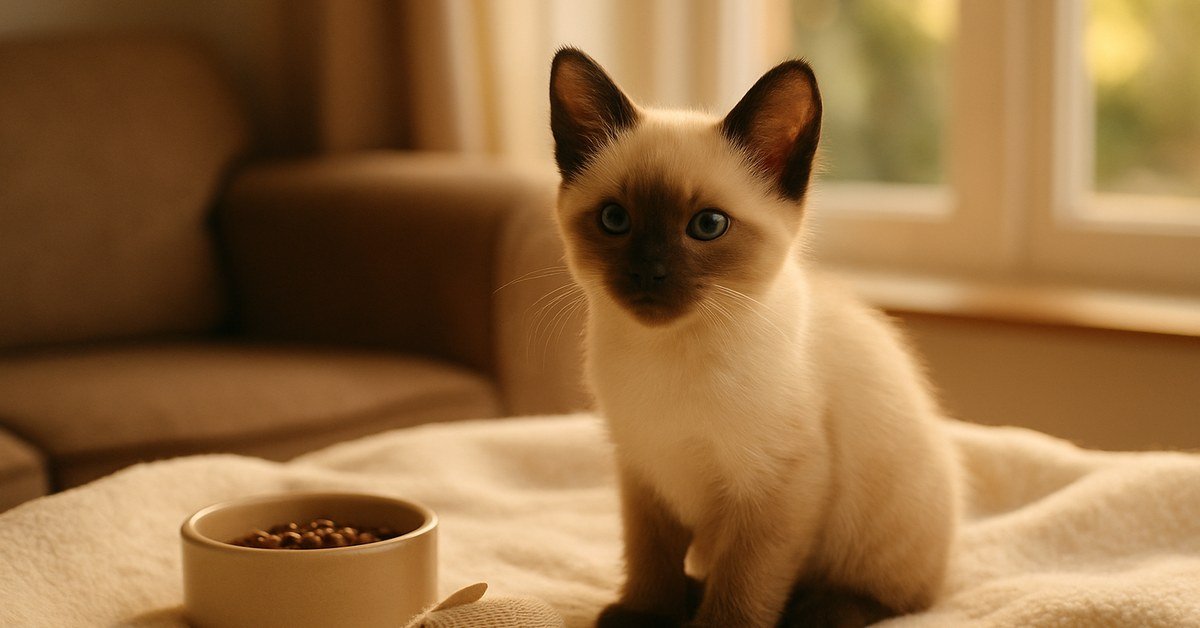
New Kitten Checklist: Essential Guide to Settling in a New Kitten
New Kitten Checklist guide to essential items needed for settling in a new kitten. Ensure you are properly prepared with the right equipment before your kitten arrives at home.
-
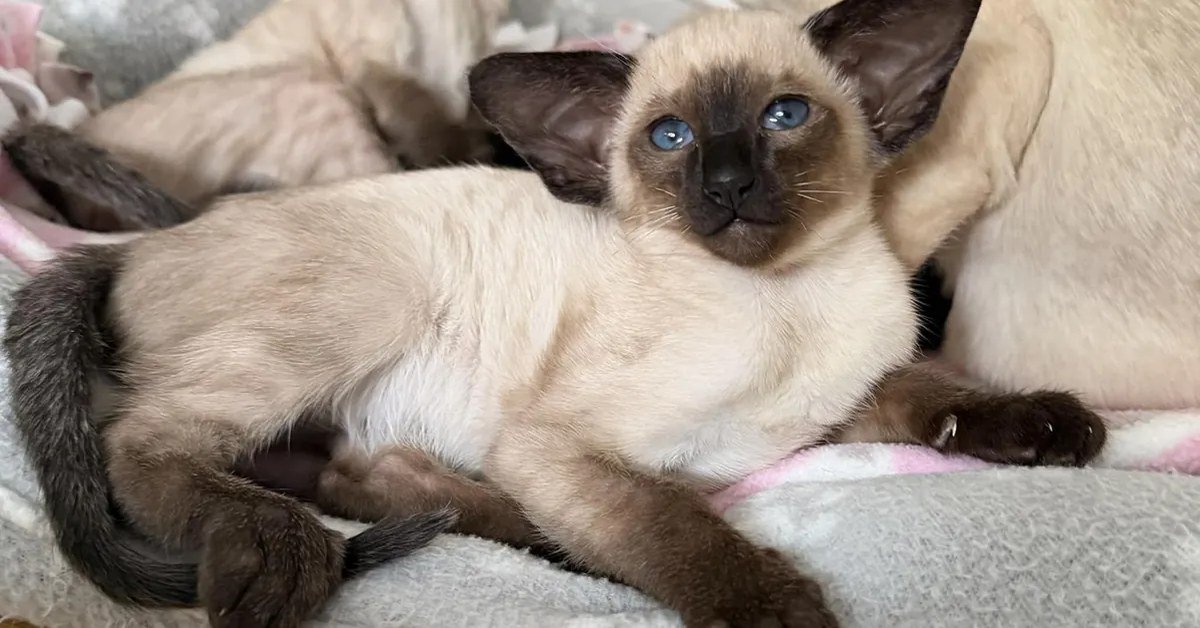
How Much Does a Kitten Cost
How much does a kitten cost is something that you may wonder when buying a kitten. So when considering purchasing a pedigree kitten and you are scrolling through the adverts on various websites, you may also notice the wild price differences. For example, I just looked at a well-known pet advertising website […]
-
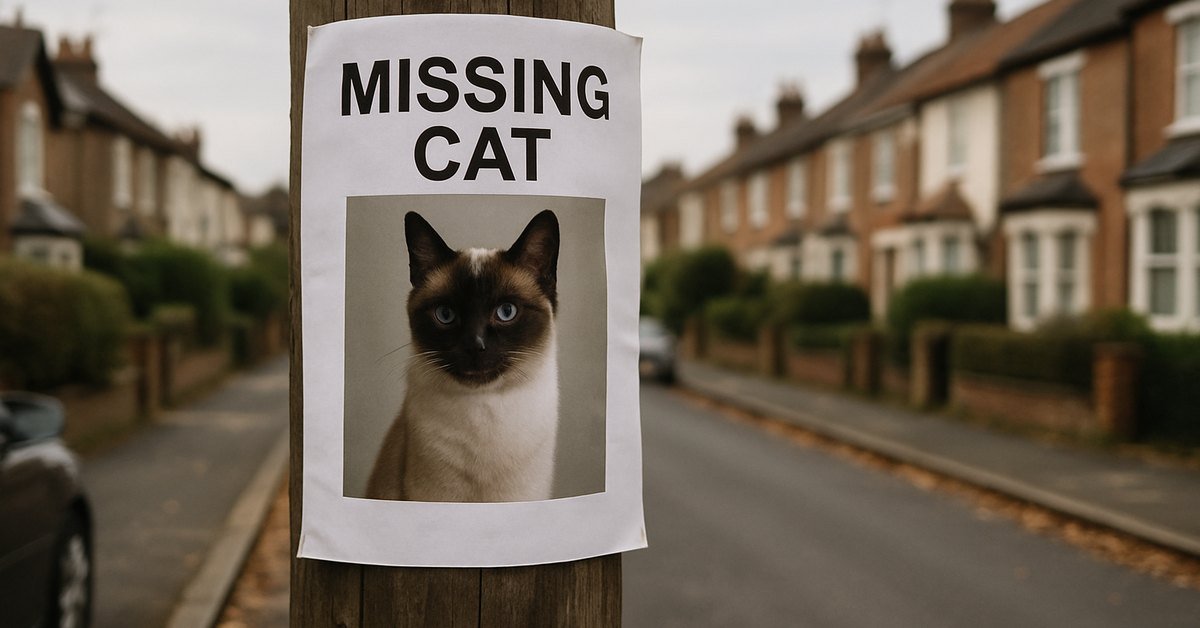
How to Make a Missing Cat Poster (Free Template)
A practical guide to making an effective missing cat poster, with a free downloadable template, what to include, and where to display it to bring your cat home.
-

Cat Microchipping: Benefits, the Law & Common Myths
Microchipping is now a legal requirement for owned cats in England. Here’s why it matters, what the law says, and the truth behind the common myths and worries.
-
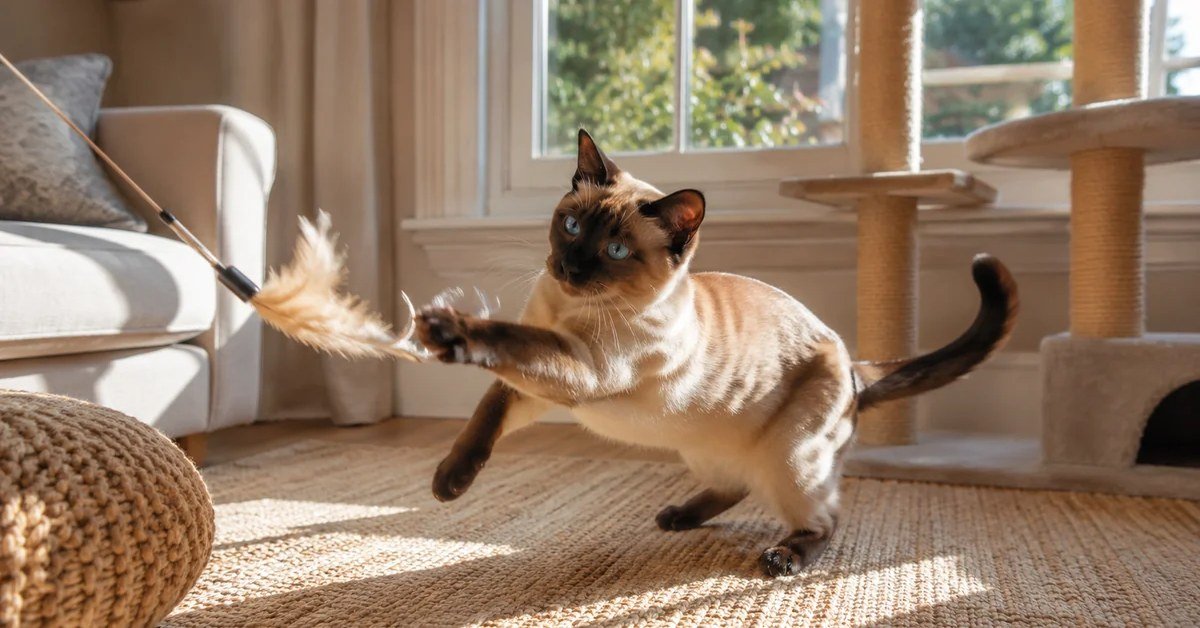
Keeping Indoor Cats Happy: A Breeder’s Guide to Stopping Your Cat Going Stir-Crazy
Many people keep their cats indoors for safety reasons. However, indoor cats need to be stimulated and entertained to keep them happy and healthy. Here are some tips for keeping indoor cats happy.
-
Indoor or Outdoor CatIndoor or Outdoor Cat? A Breeder’s Honest Take on the Biggest Debate in Cat OwnershipIndoor or Outdoor Cat
One of the first decisions you need to make when getting a cat is whether to keep them indoors or let them outdoors. Both options have advantages and disadvantages.
-
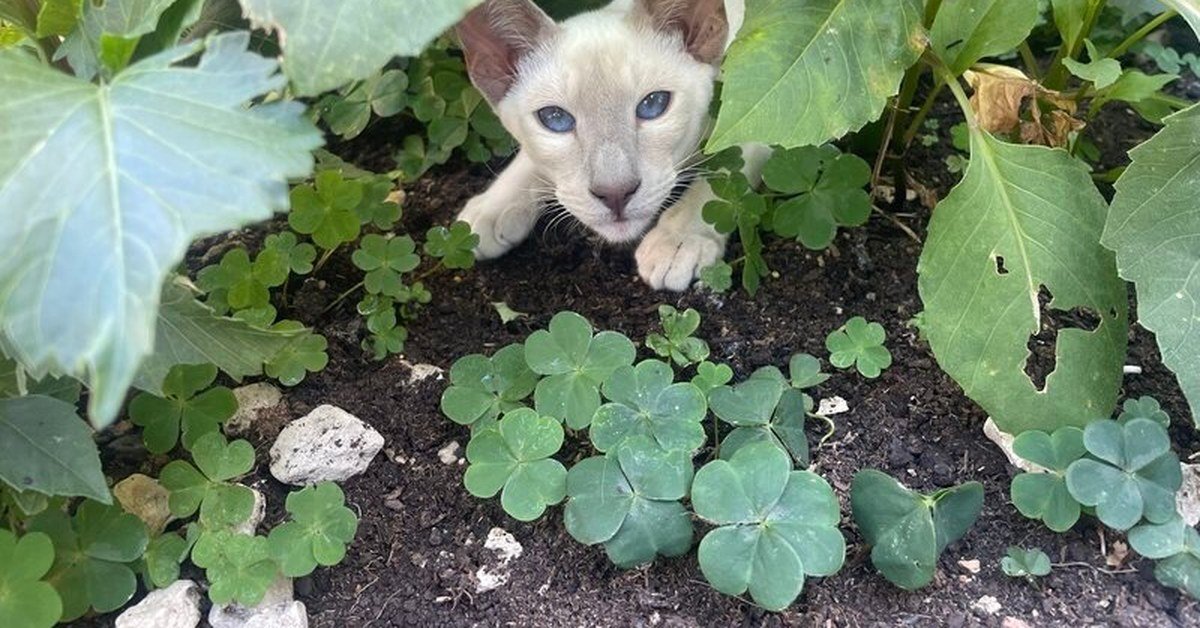
Building a Cat Run: A UK Owner’s Guide
How I built a safe, escape-proof outdoor cat run and cat house from scratch in my own garden, plus what to consider before you start your own.
-
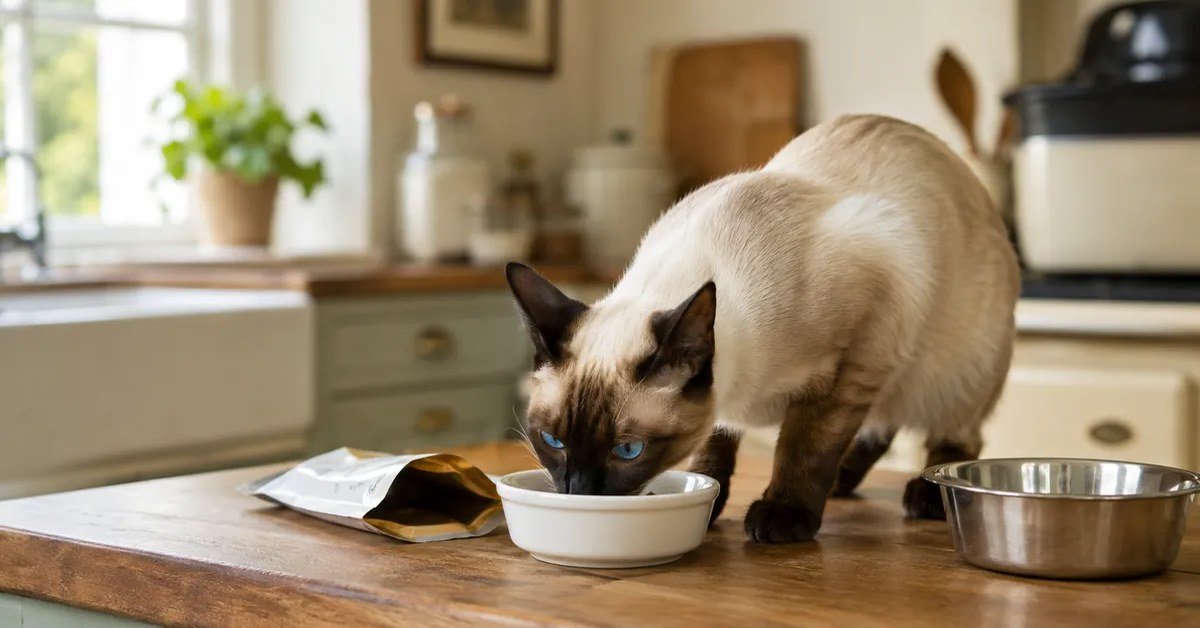
Cat Nutrition: What to Actually Feed Your Cat (From a Breeder Who’s Fed Thousands of Them)
Feeding your cat a healthy diet. There is a wide range of options when it comes to feeding your cats. Diet is very important in keeping your cats healthy and in tip top condition. As a breeder of Siamese and oriental cats I take this subject very seriously, as healthy, happy cats are far more