I have been breeding Siamese and Oriental cats for over twenty years. In that time I have raised more litters than I can count, sat up through more all-night births than I care to remember, tube-fed kittens at 2am with a syringe and a prayer, and once had to explain to a vet why a kitten had managed to get stuck inside a wellington boot.
Breeding pedigree cats is one of the most rewarding things I have ever done. It is also one of the most exhausting, expensive, and emotionally brutal. If you are reading this because you think breeding Siamese cats might be a nice little hobby that pays for itself — I need to be honest with you before we go any further.
It will not pay for itself. It will cost you money, sleep, holidays, and — at some point — it will break your heart. And you will do it anyway, because when you watch a kitten you bred take its first wobbly steps across your kitchen floor, nothing else quite compares.
This page covers everything you need to know about breeding Siamese cats — from deciding whether you should start, through genetics and mating, pregnancy and birth, rearing kittens, and the harsh realities that nobody talks about until it is too late. It is written from twenty-plus years of first-hand experience as a GCCF-registered breeder, cat judge, and feline behaviourist.
Key Takeaways
- Responsible Siamese breeding requires GCCF registration, a registered cattery prefix, and a health-tested queen from a reputable breeder.
- Expect first-year costs of £3,892–£7,366 with a single queen and one litter. A bad year can wipe out any income.
- Kittens must stay with their mother until at least 13 weeks per GCCF rules — earlier rehoming is a red flag.
- Kittens sold as pets go on the GCCF non-active register; breeding-quality kittens go on the active register.
- Microchipping is legally required for all kittens in England from 10 June 2024.
- All Siamese are blood group A — blood group testing is only needed when outcrossing to a non-Siamese stud.
- Find a mentor before your first litter. Nothing replaces a breeder willing to take your call at midnight.
Browse our cat breeding articles
How do you start breeding Siamese cats? You start by registering with the GCCF (Governing Council of the Cat Fancy) as a breeder, choosing a registered prefix for your cattery, and acquiring a quality breeding queen from a reputable breeder. She should be health-tested for PRA-Rdac (the main genetic condition in Siamese), DNA profiled, and ideally at least twelve months old before you even think about mating her.
In short: Breeding Siamese cats properly requires GCCF registration, health-tested breeding cats, a solid understanding of colour genetics, a relationship with a good stud cat owner, a vet you trust, and significantly more money than you will ever make back from kitten sales. If that has not put you off — read on.
Is Breeding Right for You?
This is the question nobody asks seriously enough. Most people who contact me about getting into breeding have already decided they want to do it — they are looking for permission, not advice. So let me give you the advice first.
Breeding cats is a commitment that will dominate your life for as long as you do it. A queen in kitten needs monitoring. A litter of newborns needs feeding every two to three hours. A stud cat needs separate, heated, purpose-built housing. You cannot go on holiday while you have kittens without arranging experienced cover. You will cancel plans, lose sleep, and spend money you had earmarked for other things.
And at some point, you will lose a kitten. It might be a stillbirth, it might be fading kitten syndrome, it might be something nobody could have predicted. It happens to every breeder eventually, and it never gets easier.
If you have read that and you are still here — good. Because breeding done properly, with health testing and genuine care for the breed, is one of the most fulfilling things you can do with pedigree cats. I wrote a full honest assessment in my article, 10 Questions to Ask Yourself Before Becoming a Cat Breeder, and I would strongly recommend reading it before going any further.
Getting Started: GCCF Registration and Choosing Your Breed
In the UK, responsible pedigree cat breeding starts with the GCCF. You need to register a cattery prefix — this is the name your kittens will carry on their pedigrees for the rest of their lives, so choose it carefully. You will also need to join the relevant breed club — the Siamese Cat Association, the Siamese Cat Club, or one of the other Siamese clubs — and familiarise yourself with the breed’s Standard of Points. Most serious breeders show their cats, and I’d strongly recommend it: my Siamese cat shows page covers entries, preparation, and ring etiquette.
Your first queen should come from a breeder who health-tests, shows their cats, and is willing to mentor you. Do not buy a breeding queen from Gumtree, Pets4Homes, or anyone who cannot show you at least five generations of GCCF-registered pedigree. A good breeder will ask you as many questions as you ask them — that is a positive sign, not an obstacle. Before you commit to a queen, read my Siamese cat health page — it covers every breed-specific condition you need to be screening for.
If you are completely new to pedigree cats, I have written a longer piece on cat breeding as a hobby that covers the practical realities of getting started, including costs, time commitments, and the things I wish someone had told me twenty years ago.
The Law, the Register, and the 13-Week Rule
Before you breed a single litter, you need to understand the legal and registration framework you are operating in. Most first-time breeders do not, and it causes problems down the line.
Active vs Non-Active Register
Every GCCF-registered kitten is placed on one of two registers. The active register means the kitten is cleared for breeding and exhibition. The non-active register means the kitten is registered as a pedigree Siamese but cannot produce registered offspring — this is the correct register for pet kittens.
As a responsible breeder, you place kittens sold as pets on the non-active register. You only place kittens with breeding-quality type, temperament, and health test results on the active register — and only to buyers you have vetted as future breeders. Selling every kitten on the active register to inflate the price is a red flag for a kitten farmer, not a responsible breeder.
The 13-Week Rule
GCCF rules require Siamese kittens to stay with their mother and littermates until a minimum of 13 weeks. By that age they have completed their first two vaccinations (at 9 and 12 weeks), are fully weaned, are properly socialised with other cats and humans, and are developmentally ready to cope with a new home.
Anyone selling Siamese kittens at 8 or 9 weeks is either not GCCF-registered, or is breaking GCCF rules. It is an immediate red flag. If a buyer pressures you to let a kitten go early, say no — it is not negotiable.
Microchipping Law (England)
From 10 June 2024, all pet cats in England must be microchipped by the time they are 20 weeks old under the Microchipping of Cats and Dogs (England) Regulations 2024. As a breeder, you microchip each kitten before it leaves at 13 weeks and register the chip in the new owner’s name at handover. The fine for non-compliance is £500 per unchipped cat.
Lucy’s Law and Licensing
Lucy’s Law (in force across England, Scotland, and Wales) prohibits the sale of kittens through third-party dealers. All kittens must be sold directly by the breeder from the premises where they were born and raised. If you breed three or more litters per year and sell the kittens, you may also need a local authority licence under the Animal Welfare (Licensing of Activities Involving Animals) Regulations 2018 — check with your local council before your third litter.
Understanding Siamese Cat Genetics
You do not need a genetics degree to breed Siamese cats, but you do need to understand the basics — because Siamese colour genetics are genuinely fascinating and genuinely important if you want to produce healthy, well-typed kittens of predictable colours.
The Siamese coat pattern is caused by a temperature-sensitive mutation in the tyrosinase gene. This is why Siamese kittens are born white and develop their point colour as the cooler extremities (ears, face, paws, tail) darken over the first few weeks. The four traditional Siamese colours — seal, blue, chocolate, and lilac — are all determined by combinations of two gene pairs: the brown locus (B/b) and the dilution locus (D/d).
Understanding which colours your queen and stud carry determines what colour kittens you will produce. Get it wrong and you end up with unexpected colours, which is not a disaster but can be embarrassing if you have promised a buyer a specific colour. I have written a detailed guide to Siamese cat genetics that covers colour inheritance, dilution, and what your kittens will look like based on the parents’ genotypes. If you are planning a mating, read it first.
The Siamese colour chart and the GCCF breed numbers guide are also worth bookmarking — you will refer to them more often than you think. For the full run-through of every colour with modern EMS codes, my Siamese cat breed profile page covers all 32 recognised colours.
Queens in Season
If you have never experienced a Siamese queen in full call, you are not prepared for it. The noise is extraordinary — a persistent, loud, rolling yowl that sounds like the cat is in genuine distress. She is not. She is advertising. To every entire male cat within earshot.
Siamese queens tend to come into season earlier than many breeds (sometimes as young as five months, though you should never mate a queen this young) and they cycle frequently — often every two to three weeks during the breeding season. Unlike dogs, cats are induced ovulators, meaning they only release eggs in response to mating. An unmated queen will keep cycling, and the calling will keep going.
Timing is everything. You want your queen to be at least twelve months old, fully health-tested, and in peak condition before her first mating. I cover the full cycle, timing, and what to expect in my cats in season article.
Going to Stud
In pedigree cat breeding, the queen travels to the stud — not the other way around. This is one of the most nerve-wracking experiences for a first-time breeder. You are handing your precious girl over to a stranger’s house to spend several days with a male cat she has never met.
Choosing the right stud is about more than just colour. You are looking at type (body shape, head shape, ear set), temperament, health test results, pedigree lines, and inbreeding coefficient. A good stud owner will want to see your queen’s pedigree, her health test certificates, and proof of vaccination before agreeing to the mating.
The queen typically stays at stud for three to five days. I use the second day of mating as the conception date for calculating the due date — a rule of thumb that has served me well for two decades. The full process, including what to take with you, what to expect, and how to know if the mating was successful, is covered in my article, going out to stud: a first-time breeder’s guide.
Keeping a Stud Cat
At some point, every serious breeder considers keeping their own stud cat. It sounds convenient — no more stud fees, no more transporting your queen across the country, complete control over your breeding programme.
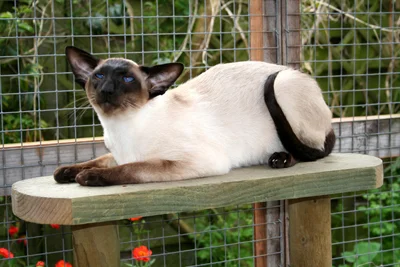
The reality is considerably less glamorous. An entire male cat sprays. On everything. Constantly. The smell is powerful and pervasive. A stud cat needs his own separate, heated, purpose-built accommodation — not a spare bedroom, not a garage, a proper stud house with a run. He needs daily attention and socialisation so he does not become depressed or aggressive. He needs regular health checks. And he needs queens to visit, because an unused stud is an unhappy stud.
Stud pants exist, and yes, they are exactly what they sound like. I have written a brutally honest account of what it is really like in my article, keeping a stud cat happy. Read it before you commit.
Pregnancy and Preparing for Birth
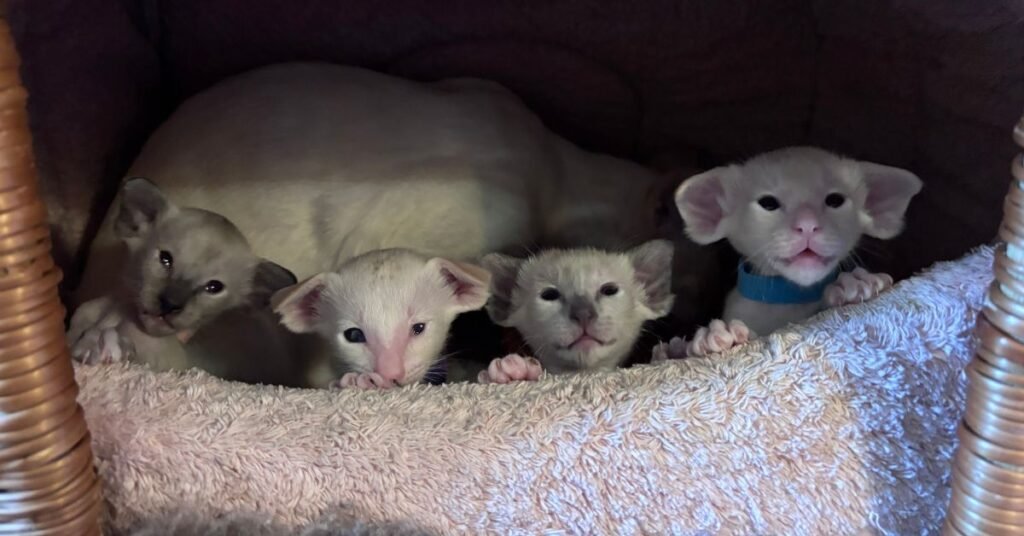
Siamese cat pregnancy lasts approximately 63 to 67 days. The first few weeks are quiet — you might not even be sure she is pregnant until about three weeks in, when a vet can sometimes detect the kittens by palpation. An ultrasound at around 21 days can confirm pregnancy, and by 45 days you may be able to feel the kittens moving.
Feeding a Pregnant Queen
From confirmation of pregnancy, switch your queen gradually to a high-quality kitten food. She needs the extra protein, fat, and calcium to build healthy kittens without pulling it out of her own body. By the last two weeks of pregnancy, her stomach is crowded by kittens and she will eat smaller meals more often — free-feed kitten food throughout the day rather than sticking to fixed mealtimes. Keep her on kitten food through the whole of lactation too. She is feeding four or more kittens with her body and she needs the calories.
Preparing the Kittening Kit
Preparing for the birth means having a kittening box set up somewhere warm, quiet, and accessible — your queen will almost certainly ignore it and choose to give birth on your bed at 3am, but you should have it ready regardless. Your kittening kit should include clean towels, a digital thermometer, dental floss (for tying cords if needed), a bulb syringe, and your vet’s out-of-hours phone number.
Most Siamese births are straightforward, but you need to know when something is wrong. A queen who has been actively straining for more than an hour without producing a kitten needs veterinary attention. Do not wait. I cover the full pregnancy timeline, birth preparation, and warning signs in cat expecting kittens.
Kitten Rearing
The first two weeks are the most critical. Kittens are born blind, deaf, and entirely dependent on their mother for warmth and food. Your job is to weigh them daily (a kitchen scale accurate to 1g is essential), make sure every kitten is feeding, and watch for any that are falling behind.
Fading Kitten Syndrome
Fading kitten syndrome describes a previously healthy newborn kitten that becomes listless, stops feeding, and dies — sometimes within hours. Causes include low birth weight, chilling, dehydration, infection, or congenital defects. Early warning signs are a kitten that feels cold to the touch, has lost weight between daily weigh-ins, cries weakly, or refuses to latch. Act fast: warm the kitten against your skin, get fluids into it (a drop of warm water on the gums if it will not nurse), and call your vet. Every hour matters. Some kittens cannot be saved, but catching it in the first few hours gives you the best chance.
When the Queen Cannot Cope
Sometimes things go wrong. A queen might reject a kitten, fail to produce enough milk, or become ill. When that happens, you become the backup — and that means hand feeding or tube feeding around the clock. Tube feeding kittens is the article I hope you never need, but if you do, it could save a life. Hand feeding kittens covers bottle-rearing for less critical situations.
Weaning (4 to 8 Weeks)
From about four weeks, kittens start investigating solid food. Offer a shallow dish of wet kitten food or kitten milk replacement mixed into a soft paste. Expect mess — they will walk in it, wear it, and work out what it is through trial and error. By six weeks most are eating solid food alongside nursing. By eight weeks they are fully weaned, eating four small meals of kitten food a day, using a litter tray reliably, and well on the way to independence. Vaccinations start at nine weeks, with the second at twelve — so weaning, vaccinations, socialisation, and microchipping all overlap in this period.
Socialisation
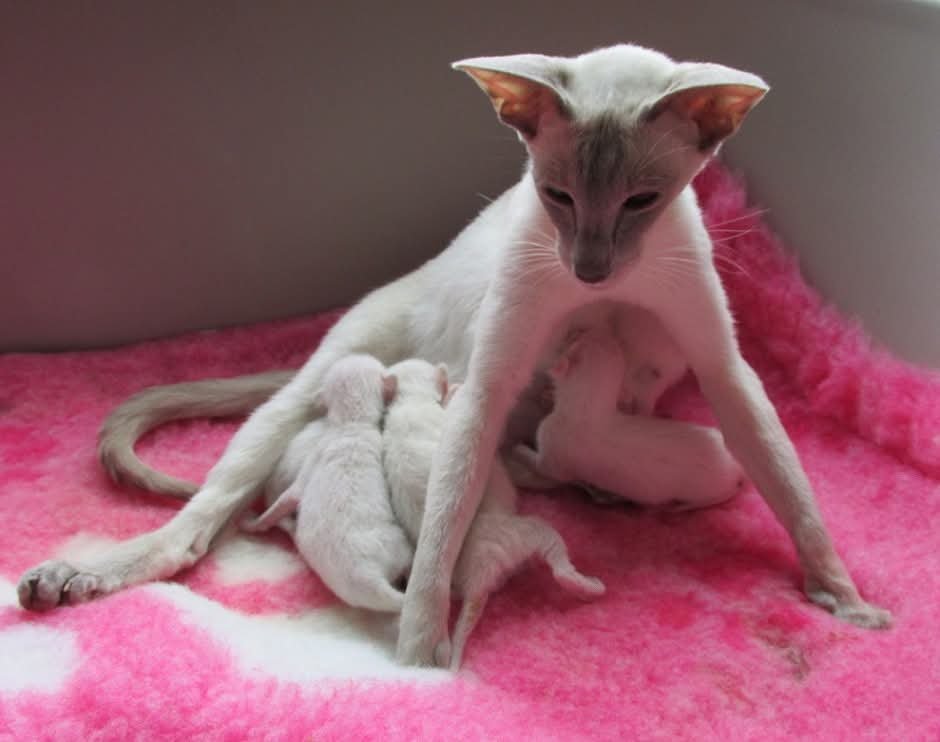
By eight weeks kittens are weaned, starting to develop the personalities that will stay with them for life, and entering their most important developmental window. Socialising kittens early is not optional — it is the single most important thing you can do to produce confident, well-adjusted cats that thrive in their new homes. Handle every kitten every day, expose them to normal household sounds (vacuum, hairdryer, washing machine), let them meet calm visitors, and make every encounter positive. The work you do here lays the foundation for everything in my Siamese cat behaviour & training page — what you shape in a kitten stays with the adult cat for life.
Finding Good Homes and Kitten Contracts
This is the part that separates responsible breeders from kitten farmers. Anyone can produce kittens. Placing them in the right homes — homes where they will be loved, kept safely, fed properly, and never end up in rescue — takes effort, judgement, and a willingness to say no.
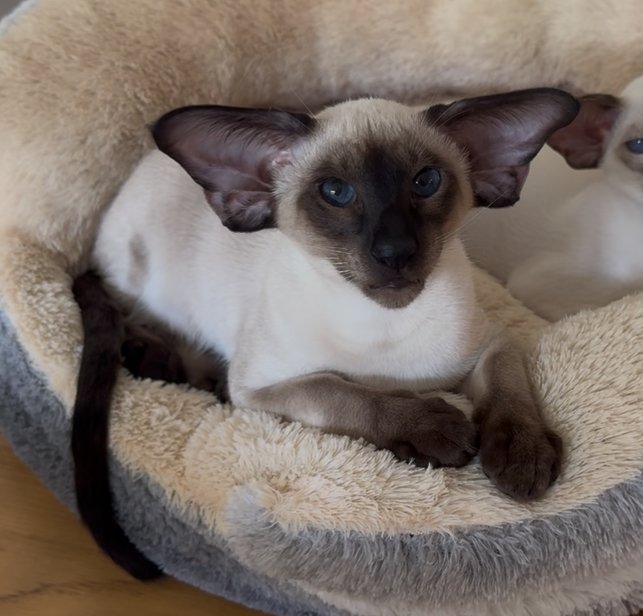
I vet every enquiry carefully. I ask about living arrangements, other pets, working hours, previous cat experience, and whether they understand what a Siamese is actually like to live with. I have turned people down who seemed perfectly nice but were not the right fit. It is not personal — it is my responsibility to every kitten that carries my prefix.
Kitten Contracts
Every kitten leaves with a written sales contract. It should cover the sale price, the deposit, the date of handover, the register status (active or non-active), the kitten’s pedigree and health test results, what is included in the kitten pack, your rehoming clause (the kitten comes back to you before it ever goes to rescue), and your position on breeding, neutering, and showing. Contracts protect both sides. The buyer knows exactly what they are getting; you have a legal record of your conditions of sale.
Deposits and the Going-Home Pack
I take a non-refundable deposit once a buyer has seen the kittens in person and committed to a specific kitten. The balance is paid at handover. The kitten goes home at 13 weeks with a going-home pack that includes the GCCF pedigree, vaccination card, microchip documentation in the new owner’s name, a small bag of the food the kitten is currently on, a blanket that smells of its mother and littermates, a feeding and care guide, and my mobile number for questions. I cover the full process in my articles on dealing with kitten enquiries and how to advertise kittens online, and kitten pack ideas covers what goes in the pack in detail.
After They Leave
Good breeders do not disappear after handover. I stay in touch with every family — I want to know how the kitten is settling in, how the first vet visit went, and whether they have any questions. If a placement does not work out at any point in that cat’s life, it comes back to me. Not to rescue, not to re-advertise, not to pass on to a friend. To me. That is the deal.
If you are looking for a Siamese kitten yourself, you can find GCCF-registered breeders in our Breeders & Kittens Directory.
When to Retire a Queen
A responsible breeder retires a queen long before she is used up. My rule is four litters maximum, and never after the age of six — whichever comes first. Some breeders stop at three litters. If a queen has had a difficult birth, a caesarean, or a litter with complications, I retire her immediately regardless of age or litter count. She is then neutered, kept as a pet (either with me or placed in a carefully vetted home on the non-active register), and lives out her life as a companion. Over-breeding a queen is one of the clearest signs of an irresponsible breeder.
The same principle applies to inbreeding coefficients. Line-breeding can fix type, but excessive inbreeding produces health problems and shortens lives. Check the coefficient of every planned mating and keep it as low as the gene pool allows.
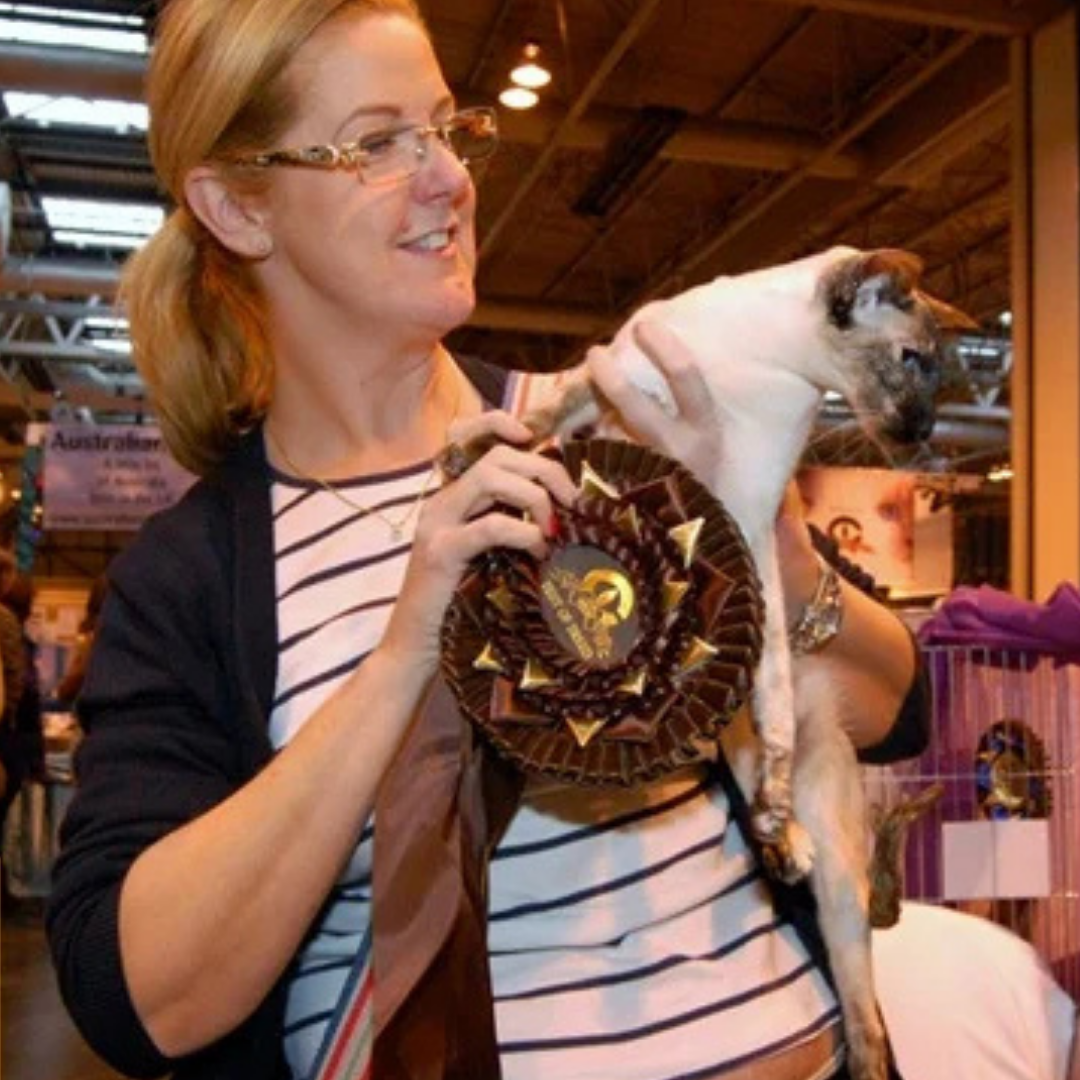
The Real Cost of Breeding Siamese Cats (UK, 2026)
Nobody gets into cat breeding to make money — and the numbers explain why. Here is what a typical first year looks like for a new Siamese breeder in the UK, assuming one queen and one litter.
| Item | Estimated Cost |
|---|---|
| Breeding queen (GCCF-registered, health-tested) | £1,000–£1,800 |
| GCCF registration + cattery prefix | £80 |
| Health testing (PRA-Rdac, FIV/FeLV) | £150–£200 |
| Stud fee | £500–£700 |
| Pregnancy vet checks + ultrasound | £100–£250 |
| Kitten vaccinations + microchipping (per kitten × 4 avg) | £300–£500 |
| GCCF kitten registration (per kitten × 4 avg) | £62–£86 |
| Food (queen + kittens for 13 weeks) | £400–£650 |
| Equipment (kittening box, scales, litter trays, bowls) | £100–£200 |
| Emergency vet fund (caesarean, sick kitten, complications) | £1,000–£2,500 |
| Insurance (queen + kittens) | £200–£400 |
| TOTAL FIRST YEAR | £3,892–£7,366 |
A litter of four Siamese kittens at £1,000–£1,200 each brings in £4,000–£4,800. That looks healthier than the costs — until you factor in a bad year. An emergency caesarean, a kitten that needs round-the-clock veterinary care, a queen that does not conceive, or a litter of two instead of four, and you are back in the red. Most breeders I know treat it as a hobby that occasionally breaks even, not a business that generates income.
Common Breeding Mistakes
After twenty years of breeding and mentoring new breeders, I have seen the same mistakes repeated over and over. The most common: breeding too young, skipping health tests to save money, choosing a stud based on colour alone rather than type and health, not having an emergency vet fund, and underestimating how much time kittens need in their first eight weeks.
The biggest mistake of all is breeding without a mentor. Find an experienced breeder who is willing to take your phone calls at midnight when something goes wrong. I was lucky enough to have that when I started, and it saved me — and my cats — more than once.
I have compiled the full list in my article, 15 mistakes newbie cat breeders must avoid. If you are planning your first litter, read it before your queen goes to stud.
Breeding Terms Explained
- Queen
- An entire (unneutered) female cat used for breeding.
- Stud / Tom
- An entire male cat used for breeding. “Stud” implies a breeding male housed and run as part of a breeding programme.
- Call / Calling
- The loud, persistent yowling a queen makes when she is in season.
- Prefix / Cattery Name
- The registered name your cattery trades under. It appears at the start of every registered kitten’s pedigree name for life.
- Active Register
- GCCF register for kittens cleared to breed and produce registered offspring.
- Non-Active Register
- GCCF register for pet kittens — pedigree registered but not cleared for breeding.
- Points
- The darker colour on a Siamese cat’s ears, face, paws, and tail. Caused by a temperature-sensitive gene.
- Standard of Points (SOP)
- The GCCF’s written description of the ideal Siamese — body, head, eyes, coat, colour. What judges score against at shows.
- Inbreeding Coefficient (COI)
- A numerical score of how closely related two cats are. Lower is better for genetic health.
- PRA-Rdac
- Progressive Retinal Atrophy — a genetic eye condition that causes blindness. Every Siamese breeding cat should be DNA tested.
- Fading Kitten Syndrome
- A term for a previously healthy newborn kitten that rapidly declines and dies. Has many possible causes.
Frequently Asked Questions
What age should my Siamese queen be before her first litter?
A minimum of twelve months — and only if she has completed her health testing (PRA-Rdac DNA, FIV/FeLV) and is in peak condition. Siamese queens can start calling as young as five months, but mating a queen that young is cruel and medically unsafe. Hold your nerve through the first few seasons and wait until she is physically mature.
How many kittens are in a typical Siamese litter?
Litter size varies. Most Siamese litters are four to six kittens, though seven or eight is not unusual. Siamese are generally straightforward whelpers, but size is influenced by the queen’s age and her genetics more than anything else.
Do I need a licence to breed Siamese cats in the UK?
You need a local authority licence under the Animal Welfare (Licensing of Activities Involving Animals) Regulations 2018 if you breed three or more litters in any twelve-month period and sell the kittens. Below three litters per year, no licence is required — but GCCF registration, microchipping under the 2024 regulations, and Lucy’s Law all still apply. Check with your own council before your third litter.
How much does it really cost to start breeding Siamese cats?
Budget £3,892–£7,366 for your first full year with one queen and one litter. That covers the queen herself, GCCF registration, health testing, the stud fee, vet care through pregnancy and kittenhood, food, equipment, and an emergency vet fund. A single caesarean can cost £1,500–£2,500. See the full breakdown in the cost table above.
Is breeding Siamese cats profitable?
Almost never. A litter of four pet kittens at £1,000–£1,200 each covers the costs of that litter if nothing goes wrong — but the moment you have an emergency caesarean, a litter that doesn’t conceive, or a kitten that needs round-the-clock veterinary care, you are back in the red. Treat it as an expensive hobby, not an income.
Do all Siamese breeding cats need PRA-Rdac DNA testing?
Yes. PRA-Rdac (Progressive Retinal Atrophy) is the main inherited eye condition in Siamese and it causes blindness. It is a simple cheek-swab DNA test. No responsible breeder mates an untested queen or uses an untested stud. If a stud owner cannot show you current test certificates, walk away.
How long does a Siamese cat pregnancy last?
Siamese pregnancy lasts approximately 63 to 67 days from the second day of mating (which I use as the conception date). Most queens deliver inside that window. If she goes past 70 days, speak to your vet — post-term pregnancies can put the kittens at risk.
What’s the difference between the GCCF active and non-active register?
The active register means a kitten is cleared to breed and produce registered offspring. The non-active register means the kitten is GCCF-registered as a pedigree Siamese but cannot produce registered offspring. Pet kittens go on the non-active register; only breeding-quality kittens placed with vetted future breeders go on the active register.
How many litters should I breed from one queen?
My personal rule is four litters maximum, retired by age six — whichever comes first. Some breeders stop at three. If a queen has a difficult birth, a caesarean, or a litter with complications, I retire her immediately regardless of age or litter count. Over-breeding a queen is one of the clearest signs of an irresponsible breeder.
Can I breed my Siamese to a non-pedigree cat or a different breed?
Not if you want the kittens GCCF-registered. Both parents must be GCCF-registered pedigree Siamese — or one of the closely related breeds on the permitted outcross list (Oriental, Balinese, Javanese) — for the kittens to qualify for the register. Mating to a moggy produces unregistered kittens, which affects the price you can ask, the buyers you can attract, and the breeding options open to those kittens.
Bringing home a kitten? Don’t wing it.

I wrote an eBook for new kitten owners that covers everything you actually need to know — how to prepare your home, what to feed, litter training that actually works, stopping the biting and scratching, reading your kitten’s body language, and what’s normal versus what’s not. It comes with printable checklists, a vaccination record and a first-week diary.
It’s called Kitten Care for New Cat Owners, it’s an instant download, and it will save you a lot of late-night Googling at 4am.
Cat Breeding Articles
Browse all of our cat breeding articles below.
-
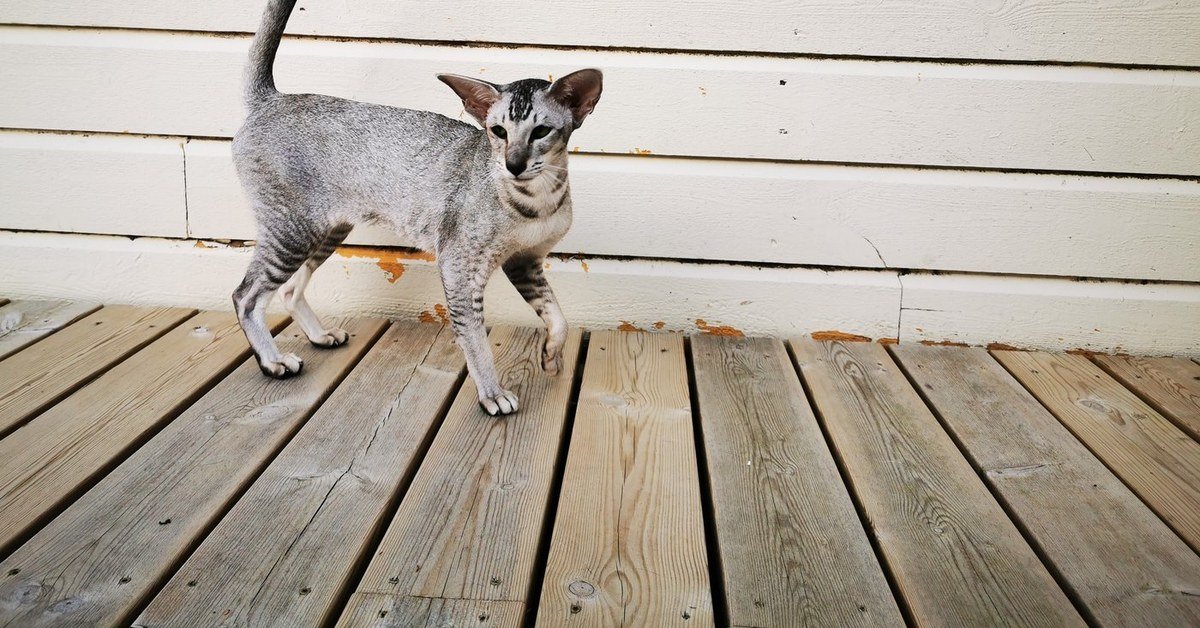
Siamese & Oriental Cat Names: Ideas for Pedigree Kittens
Name ideas for Siamese and Oriental kittens — the breed’s naming heritage, names that suit each point colour, and how to generate breed-fitting registered names for free.
-

Male & Female Cat Names: Boy and Girl Ideas for Pedigree Kittens
Boy and girl name ideas for pedigree kittens, drawn from real Siamese registrations — plus how to use the free generator’s Sex filter and fit names to your GCCF prefix.
-
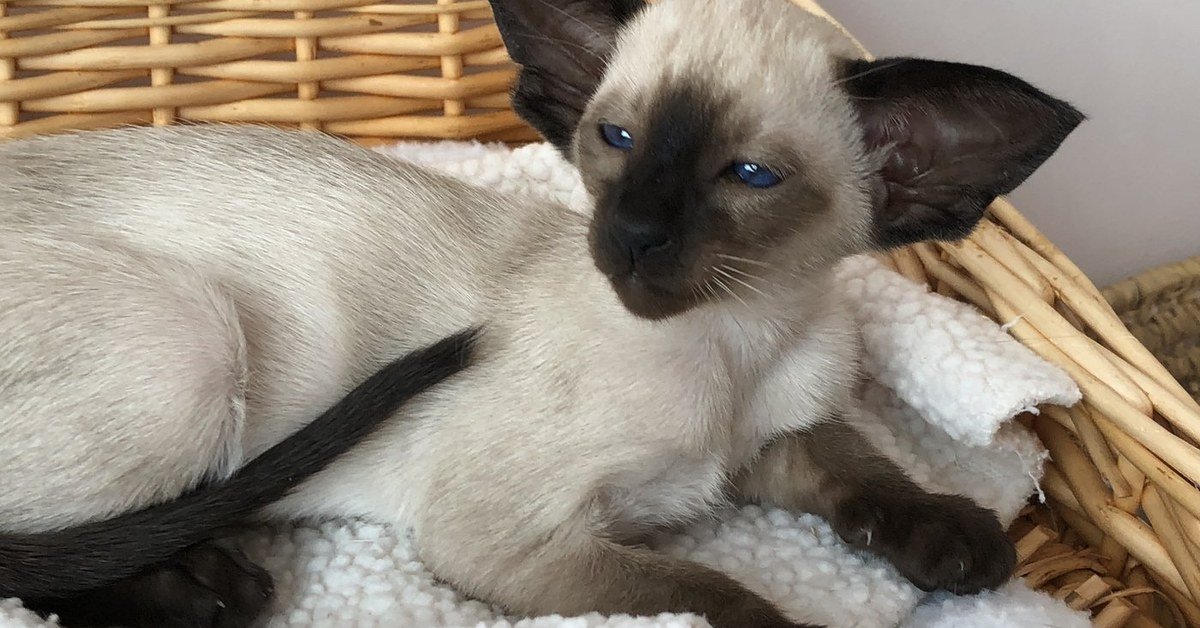
Pedigree Litter Naming Themes: Ideas to Name a Whole Litter
Themed litter names make a pedigree look beautiful and your records easy to follow. Here are the best naming themes — letters, flowers, gems, mythology and more — and how to plan them.
-
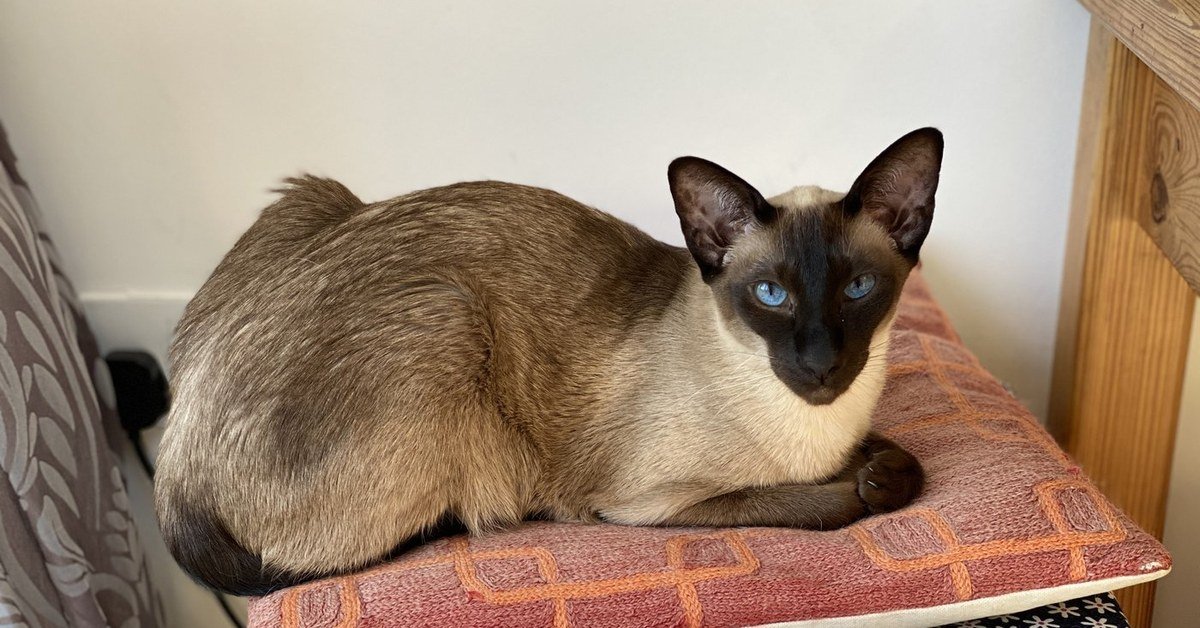
How to Name a Pedigree Kitten: GCCF Registered Names Explained
How pedigree kitten names work: the prefix, the 30-character GCCF rule, what you can and can’t use, and how to choose registered names that suit your cattery.
-

Cattery Name Ideas: 80+ Prefix Inspirations by Style
Stuck for a cattery name? Here are 80+ prefix ideas by style — elegant, nature, exotic, classic and playful — plus how to make one yours and get it registered with the GCCF.
-

Weaning Kittens: A Breeder’s Week-by-Week Guide to Doing It Right
When and how to wean kittens: a breeder’s week-by-week guide from the first gruel at around four weeks to fully independent eating, plus worming, problems and what to avoid.
-
Kitten Vaccinations: A UK Breeder’s Complete Guide to What, When and Why
When and why kittens are vaccinated in the UK: the 9 and 12-week schedule, what cat flu, panleukopenia and FeLV vaccines protect against, and when a kitten is fully covered.
-
10 Questions to Ask Yourself Before Becoming a Cat Breeder
Thinking of breeding cats? Before you start, a breeder of 20+ years shares the 10 questions you need to answer honestly — from money and time to vomit and heartbreak.
-
15 Mistakes New Cat Breeders Must Avoid
The 15 most common mistakes I see new cat breeders make – from poor foundation queens to crazy contracts – and exactly how to sidestep every one of them.
-
Keeping a Stud Cat Happy: The Honest Truth From a Breeder Who’s Been There
Keeping a stud cat happy takes more than food and a warm bed. A breeder of 20+ years shares what actually works — housing, enrichment, stud pants, and the one thing he needs most.
-
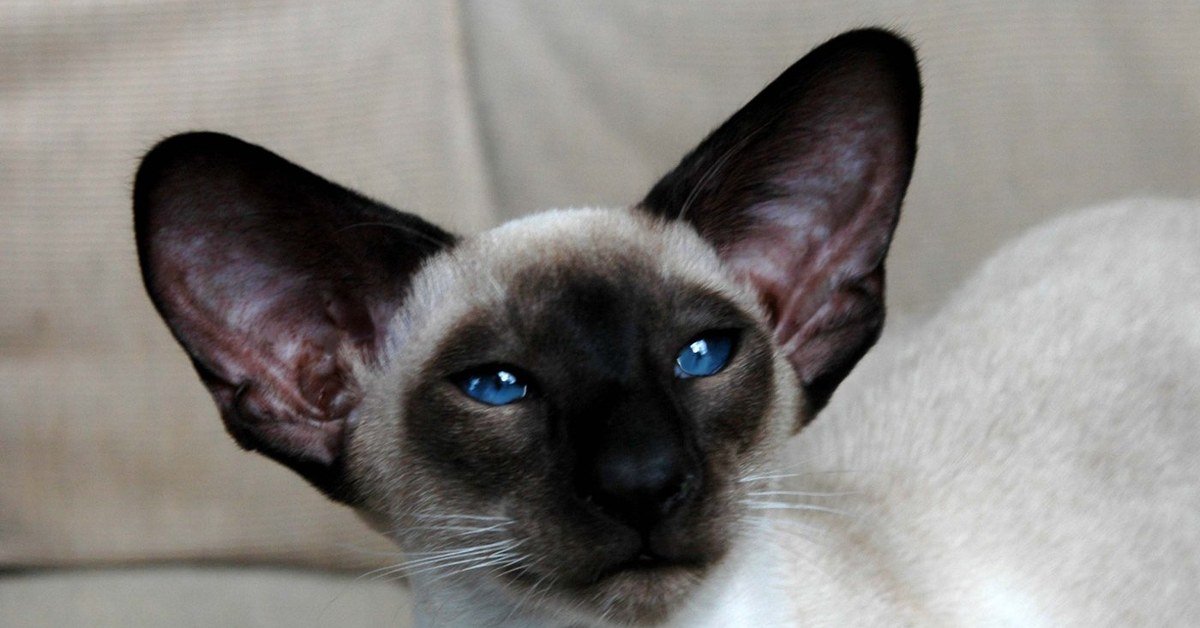
Going Out to Stud: A First-Time Breeder’s Complete Guide to the Big Day
Taking your queen cat to stud for the first time? A breeder explains how to find the right stud, what paperwork you need, what to expect on the day, and the mistakes first-timers make.
-
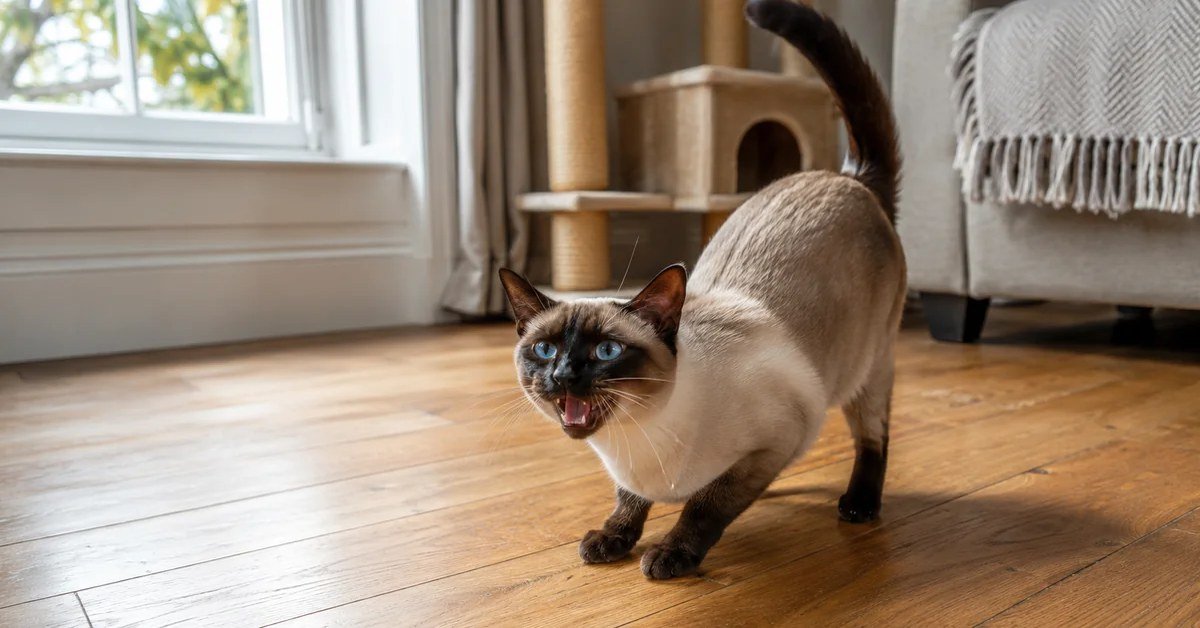
Cats in Season: What Calling Looks Like, Sounds Like, and What to Do About It
An important part of understanding cat breeding is to understand the oestrous cycle or ‘season’ in female cats. This article explains the cycle and what to expect.
-
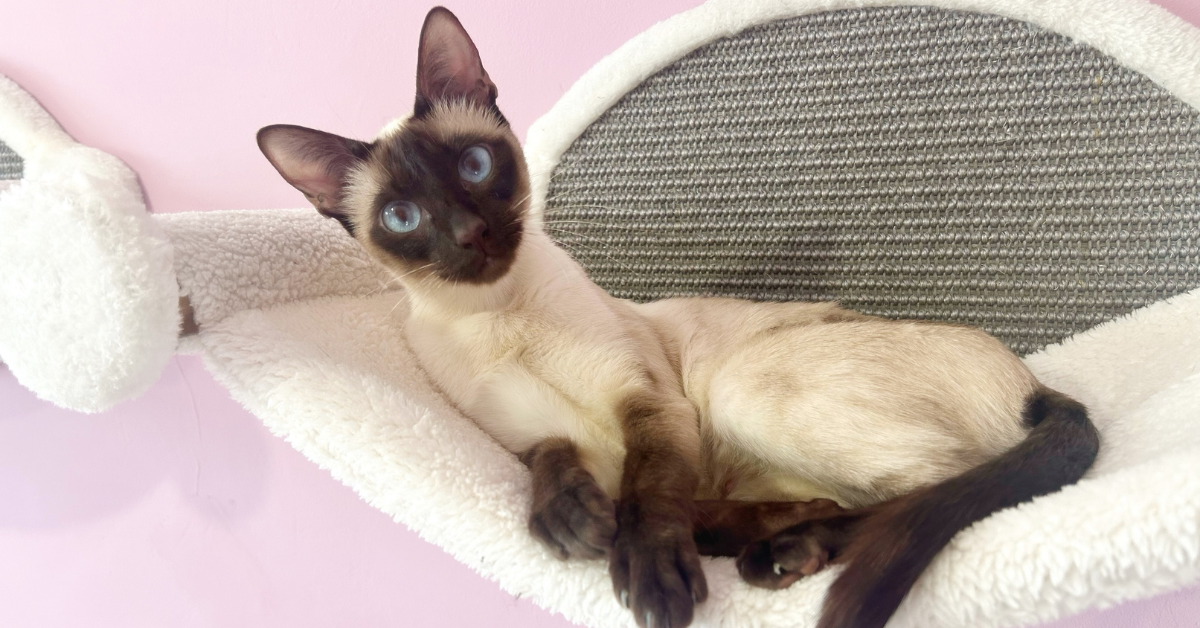
Keeping a Cat for Stud: A Breeder’s Honest Guide
An honest look at keeping your own Siamese stud cat – the costs, the housing, the rewards and the special bond – from a breeder who has kept studs for years.
-
Cat Breeding as a Hobby
For many people, cat breeding begins as a hobby rather than a business venture. If you are thinking of breeding cats as a hobby, here are some things you should know.
-
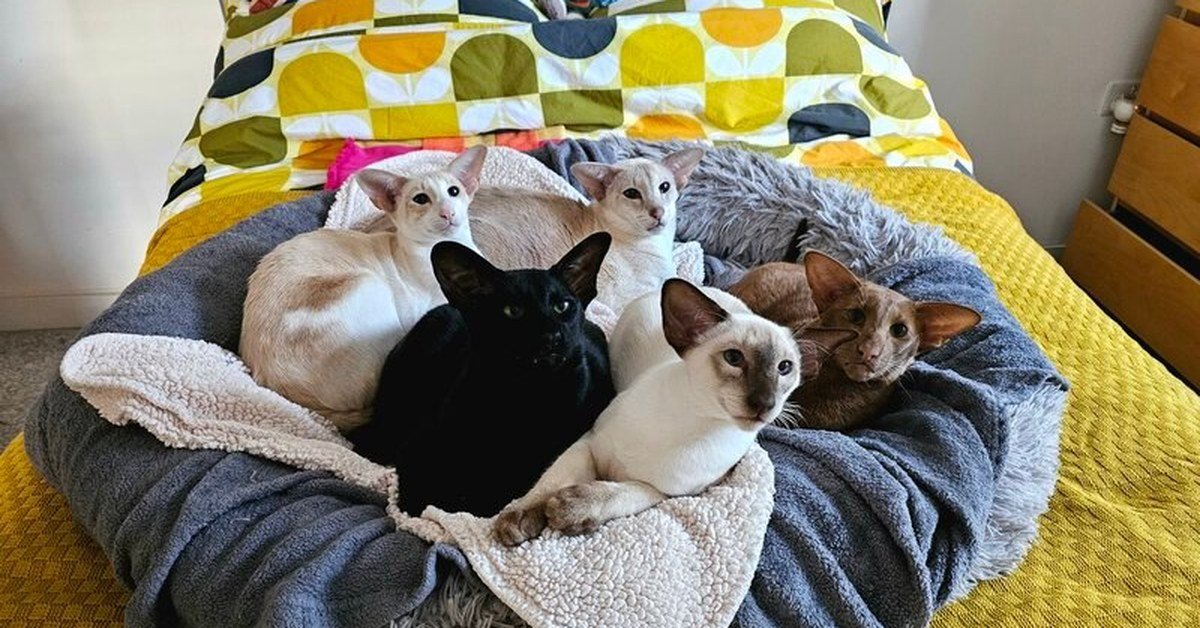
Cat Pedigrees: How to Make a Cat’s Pedigree
What goes on a cat’s pedigree and how to make one yourself. A breeder’s guide to pedigree contents, generations, registration numbers and deluxe touches.
-
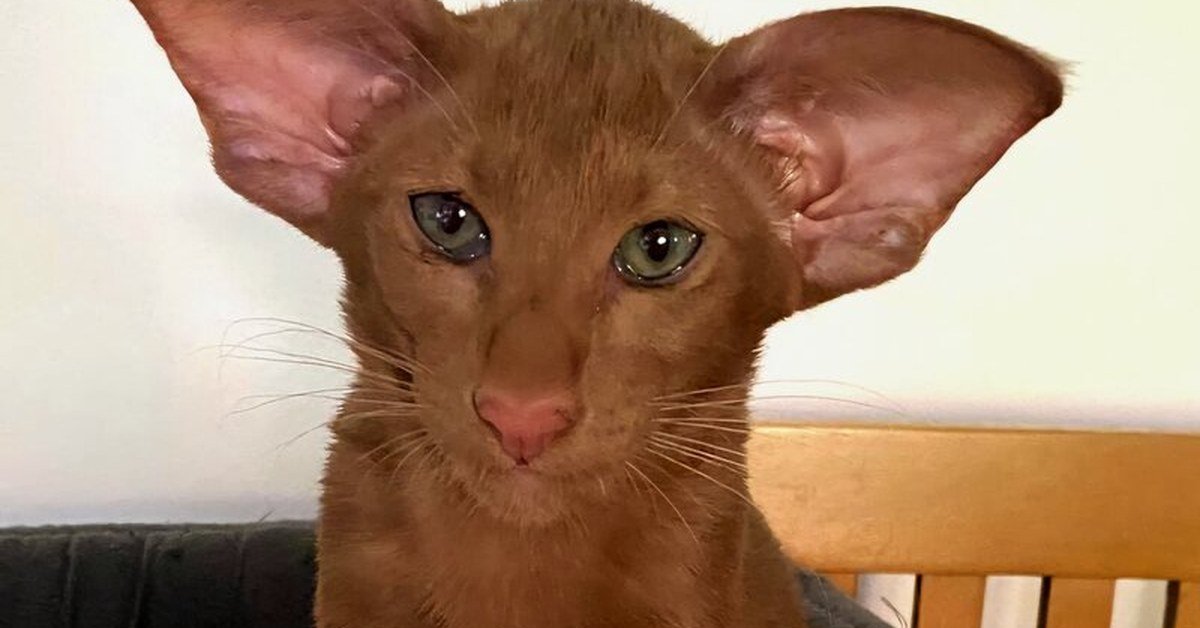
Kitten Pack Ideas: What to Include for New Owners
What to put in a kitten pack. A breeder’s guide to the essential paperwork and the thoughtful extras that help your kittens settle and support new owners.
-
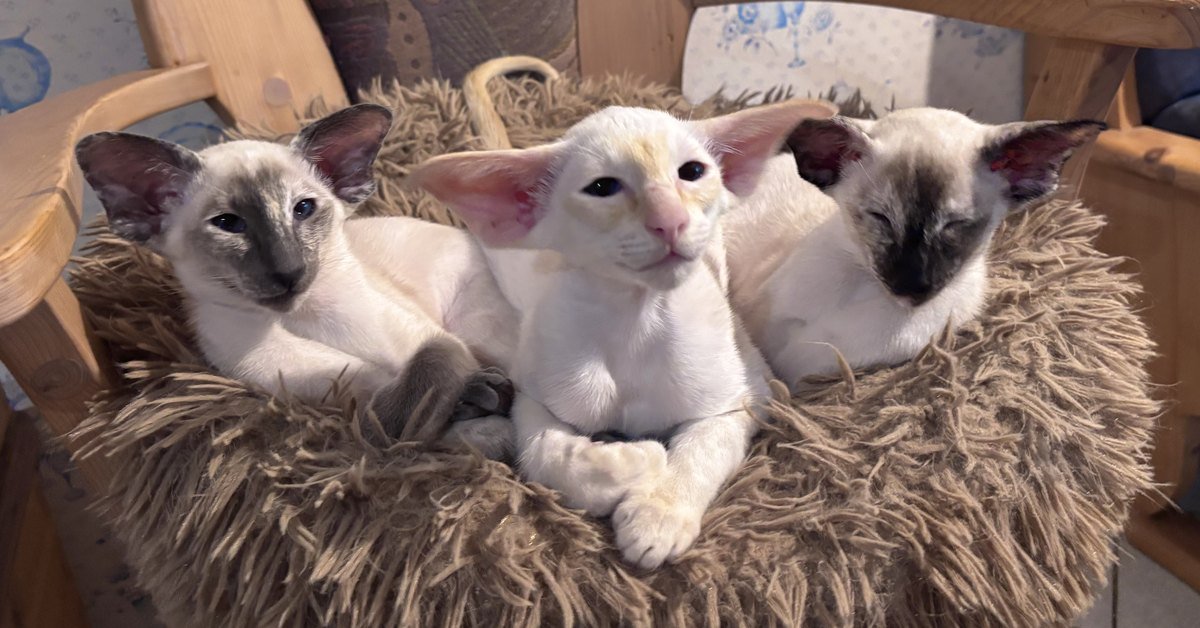
Siamese Cat Genetics: A Breeder’s Guide to Colour, Pattern, and What Your Kittens Will Look Like
Siamese cat genetics explained in plain English. Understand colour points, dominant and recessive genes, and how breeders predict kitten colours — with a full genetics table.
-
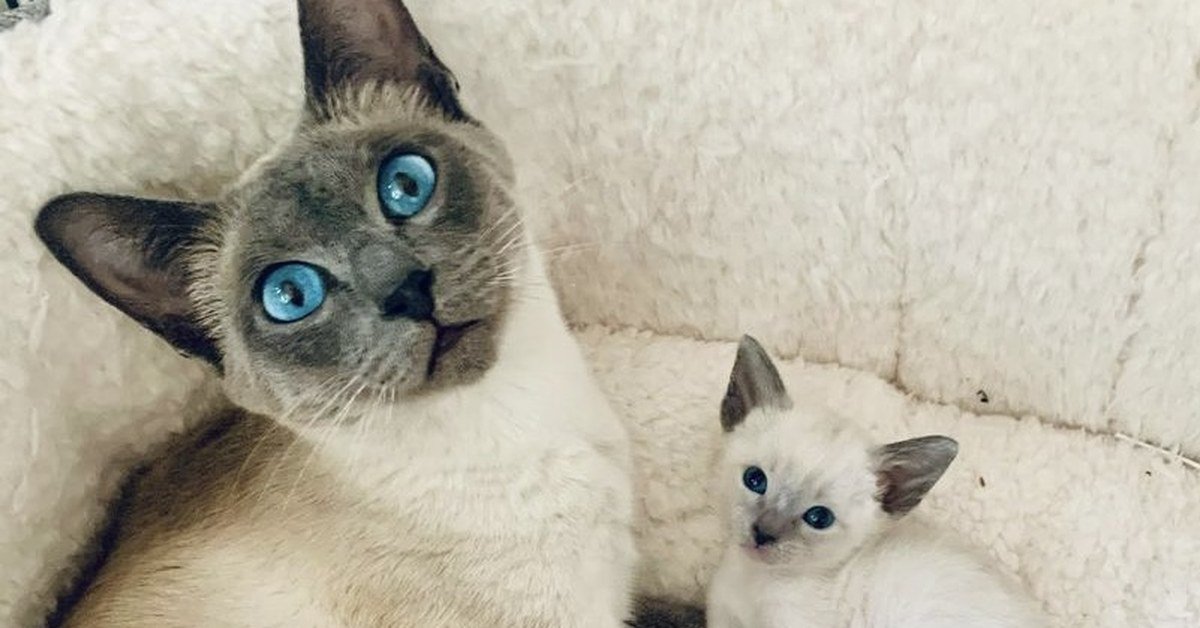
Dealing With Kitten Enquiries: How to Find the Right Homes (and Dodge the Time-Wasters)
As a cat breeder, you will receive enquiries from people interested in buying your kittens. This article offers some advice on how to manage these enquiries professionally and effectively.
-
Cat Expecting Kittens
If your female cat is expecting kittens, there are several things you need to do to prepare for the birth and ensure that both mother and kittens stay healthy. This article provides some guidance on caring for a pregnant cat.
-
Siamese & Balinese GEMS Codes: A Simple GCCF Guide
Translate old GCCF breed numbers into current GEMS codes for Siamese and Balinese cats. How GEMS codes are built, the caramel/apricot 121 modifier, and a full breed-number-to-GEMS conversion table.