Cinnamon point Siamese cats are among the most striking and distinctive colour variants in the breed, yet they remain relatively uncommon and often misunderstood by those encountering them for the first time. With their warm, cinnamon-brown points contrasting beautifully against an ivory body, these cats represent a fascinating chapter in Siamese colour genetics and breeding history. If you’re considering adding a cinnamon point Siamese to your family, or simply want to understand this rare and elegant colour variant better, this comprehensive guide will walk you through everything you need to know.
As a GCCF Full Judge for Siamese cats with over twenty years of hands-on experience in the show ring and breeding programme, I’ve evaluated hundreds of cinnamon point Siamese throughout my career. I’ve watched this colour evolve from relative obscurity to recognised championship status, and I’ve seen the dedicated breeders who brought it to prominence work tirelessly to establish consistent type and colour. This expertise informs everything in this guide — I’m sharing knowledge and insights derived from professional show experience, breeder mentorship, and close study of colour genetics and breed standards.
Cinnamon Point Siamese: Genetics and Colour Development
Cinnamon point Siamese cats are produced through a specific genetic pathway that creates their signature warm, reddish-brown points. Understanding the genetics behind this colour helps you appreciate its rarity and complexity, and is essential if you’re interested in breeding cinnamon points yourself.
The Cinnamon Gene
Cinnamon point colouration is created by the cinnamon gene, a recessive gene that affects melanin production. Unlike the chocolate gene (which produces a dark, neutral brown), the cinnamon gene produces a warm, reddish-brown tone — hence the name ‘cinnamon.’ The cinnamon gene is represented as ‘b1’ in genetic notation, distinct from the chocolate gene (‘b’) and the black gene (‘B’).
For a cat to express cinnamon colouration, it must carry two copies of the cinnamon gene (genotype b1/b1). A cat with one cinnamon allele and one black allele (Bb1 or B/b1) will not display cinnamon colouration — it will appear as a standard seal point because the black pigment gene is dominant. Cats with this heterozygous genotype are cinnamon carriers and can pass the cinnamon gene to their offspring.
Cinnamon Development in Kittens
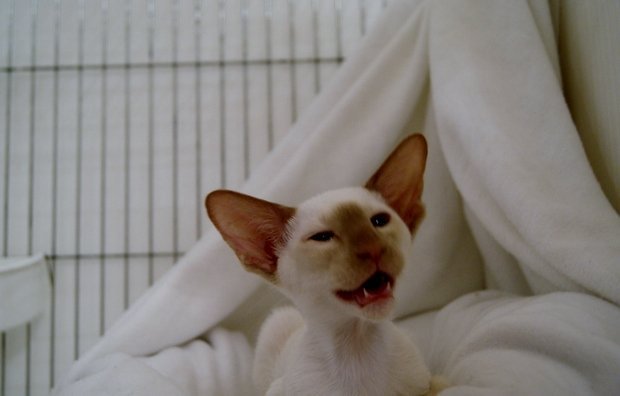
Cinnamon point kittens are born with very pale points, and the distinctive warm cinnamon tone develops gradually as they mature. Newborn cinnamon kittens can sometimes be difficult to distinguish from other light-pointed varieties at birth, but within the first few weeks, as the thermoregulatory colour-restricting mechanism activates, the warm cinnamon brown tone becomes clearly visible.

By 8-12 weeks of age, a cinnamon point kitten’s colour should be clearly distinguishable as the distinctive warm, reddish-brown characteristic of the cinnamon gene. As the cat matures into adulthood, the points deepen and darken slightly, but the warm, reddish undertone remains the defining characteristic — distinguishing cinnamon points from chocolate points, which lack this warm tone.
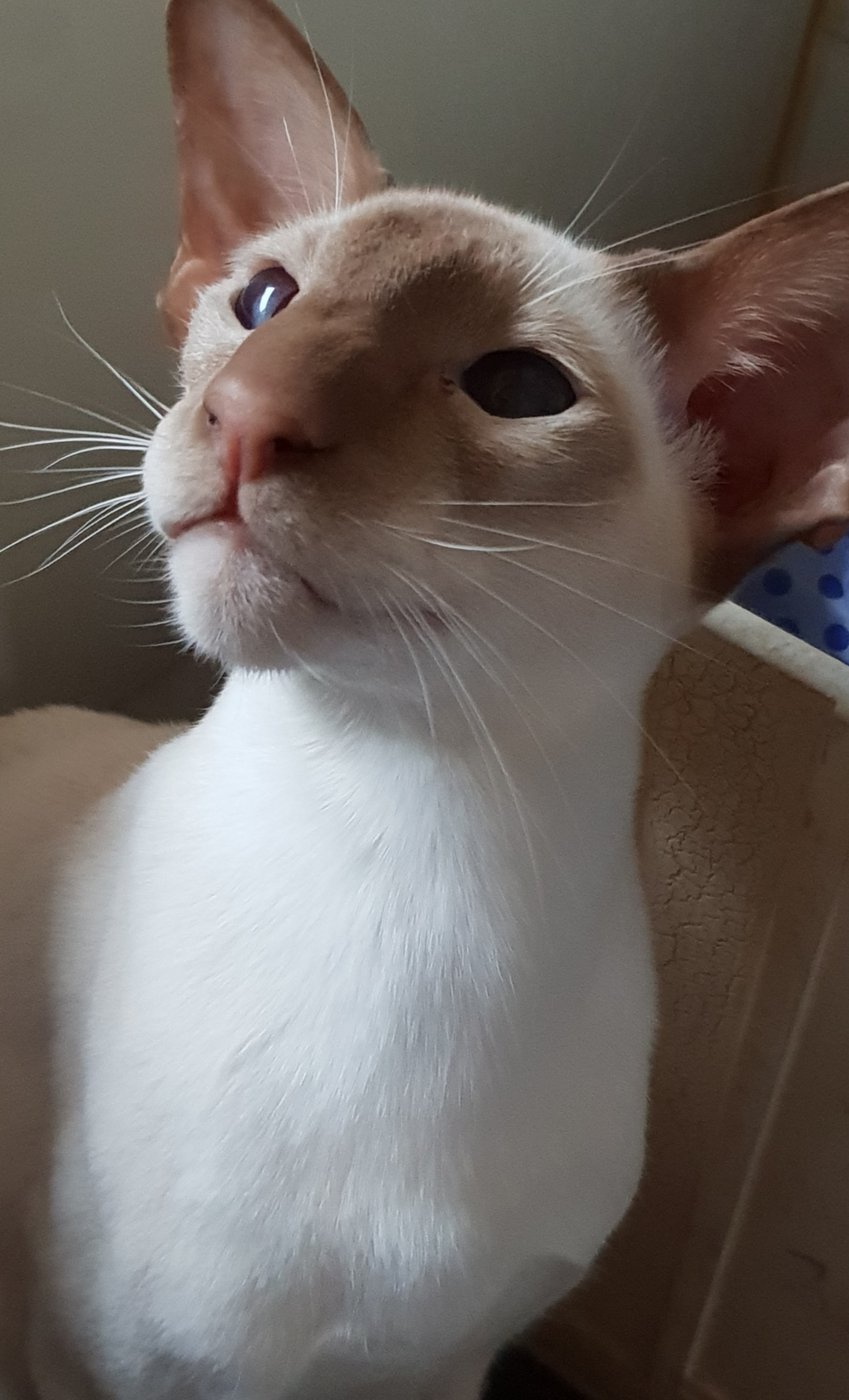
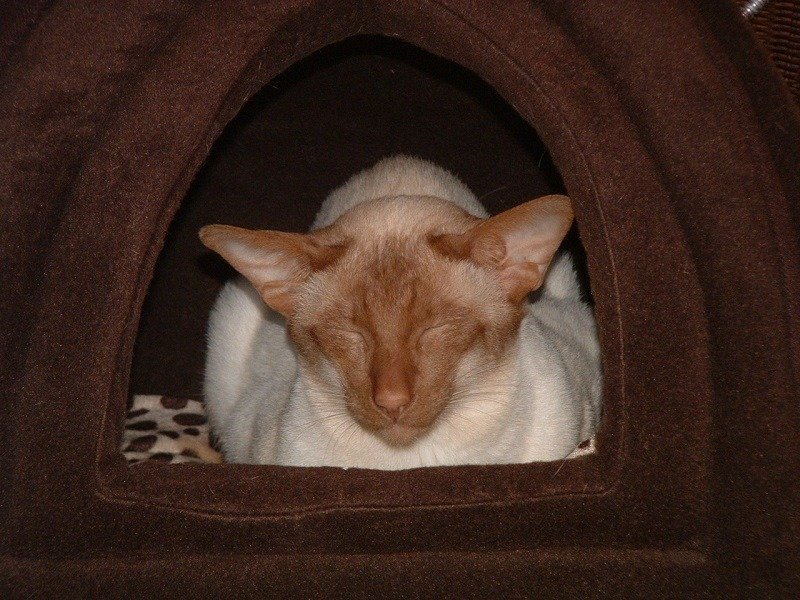
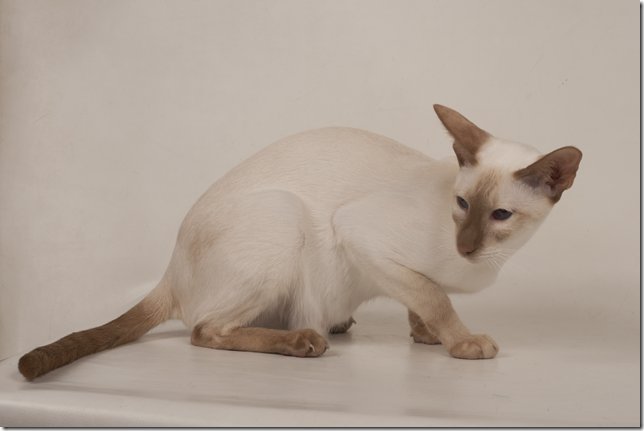
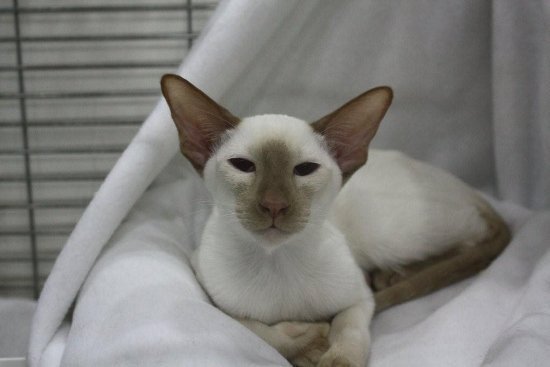
Mature cinnamon point Siamese display rich, warm cinnamon-brown points against a pale ivory or very light cream body. The contrast between the body and points is striking, and the overall appearance is both elegant and distinctly warm-toned.
Cinnamon Point Appearance and Breed Standard
Under GCCF breed standards, cinnamon point Siamese are judged on standard Siamese type and conformation, with specific criteria for cinnamon point colour. The breed standard describes the ideal cinnamon point as:
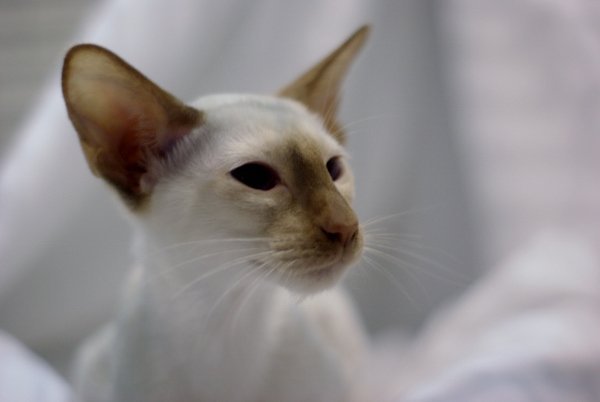
Points (face, ears, legs, tail): A warm, medium-brown cinnamon tone — distinctly warmer and more reddish-brown than a chocolate point. The colour should be even across all points, and the warm reddish tone should be immediately apparent when comparing a cinnamon point to a chocolate point side-by-side.
Body: Ivory or very pale cream, creating a striking contrast with the warm cinnamon points. Some very slight overall body warmth may develop with age or sun exposure, but the contrast between body and points should remain clear and distinct.
Nose and Paw Pads: Warm cinnamon or pink-brown, consistent with the point colour.
Eye Colour: Bright, vivid blue — standard for all pointed Siamese, determined by separate genetic factors from point colour.
Whiskers: Ideally white or pale, providing contrast against the dark cinnamon points. Some darker hairs among the whiskers are acceptable, but predominantly pale whiskers are preferred.
Cinnamon vs. Other Siamese Colours
Cinnamon is sometimes confused with other warm-toned Siamese colours, particularly chocolate and red point. Understanding the distinctions helps you identify cinnamon points accurately and appreciate what makes this colour unique.
Cinnamon vs. Chocolate
The primary distinction between cinnamon and chocolate points is the gene responsible for the colouration. Chocolate points are produced by the chocolate gene and have a dark, neutral, cool-toned brown. Cinnamon points are produced by the cinnamon gene and have a distinctly warmer, more reddish-brown tone. When comparing a cinnamon point and a chocolate point side-by-side, the cinnamon should appear noticeably warmer and more reddish, while the chocolate appears darker and cooler-toned (more neutral brown).
This distinction is critical for show judges and breeders, as the two colours are judged according to different breed standards, and confusion between them can result in incorrect judging or breeding decisions.
Cinnamon vs. Caramel
Cinnamon and caramel are sometimes confused because both are warm-toned brown variants, but they are genetically distinct. Cinnamon is produced by the cinnamon gene (b1), while caramel is produced by a combination of chocolate (b) and a dilute modifier gene. In appearance, cinnamon points are warmer and more reddish-brown with a spice-like tone, while caramel points have a cooler, more neutral warm brown (often described as milk chocolate or caramel). Cinnamon points are generally darker and more saturated in colour than caramel points.
For a detailed guide on caramel point Siamese, see our comprehensive profile on caramel point Siamese cats.
Cinnamon vs. Red (Flame)
Red or flame point Siamese are produced through the red gene (carried on the X chromosome), which creates a warm peachy-red or flame tone. While both cinnamon and red points are warm-toned, they are genetically distinct. Red/flame points are typically brighter, more peachy or flame-like in colour, while cinnamon points are a darker, more brownish warm tone. The genetic basis is entirely different — cinnamon is autosomal and sex-linked, while red is X-linked.
Cinnamon vs. Apricot
Apricot point Siamese are among the rarest pointed varieties and are produced through a combination of red and dilute genes, creating a warm peachy or honey tone with characteristic dusting. While both cinnamon and apricot are warm-toned, apricot points are significantly lighter, warmer, and more peachy-honey in appearance compared to the darker, more brown cinnamon tone.
Learn more in our comprehensive guide on apricot point Siamese cats.
Breeding Cinnamon Point Siamese
Breeding cinnamon points requires intentional selection of breeding cats that carry the cinnamon gene. Responsible breeders focus on maintaining health, strong type, and temperament alongside colour goals.
Breeding combinations that can produce cinnamon points:
Cinnamon × Cinnamon: Two homozygous cinnamon parents (b1/b1 genotype) will produce all cinnamon kittens.
Cinnamon × Seal (carrier): A cinnamon cat bred to a seal point that carries the cinnamon gene (Bb1 genotype) will produce approximately 50% cinnamon kittens and 50% seal carriers.
Cinnamon × Chocolate: A cinnamon point (b1/b1) bred to a chocolate point (bb) produces seal carriers (Bb1 genotype) in the first generation — no cinnamon kittens will appear, but these kittens can carry the cinnamon gene and may produce cinnamon points in future generations.
Carrier × Carrier: Two seal points that both carry the cinnamon gene (Bb1 genotype) may produce cinnamon point kittens alongside seal point kittens.
Responsible cinnamon breeders maintain detailed records, conduct health screening on breeding cats, work toward maintaining genetic diversity, and are transparent about their breeding goals and the rarity of the colour. Because cinnamon is relatively uncommon, responsible breeders sometimes outcross to other pointed varieties to maintain genetic diversity — a practice undertaken thoughtfully and with clear breeding plans.
A Gallery of Cinnamon Point Siamese
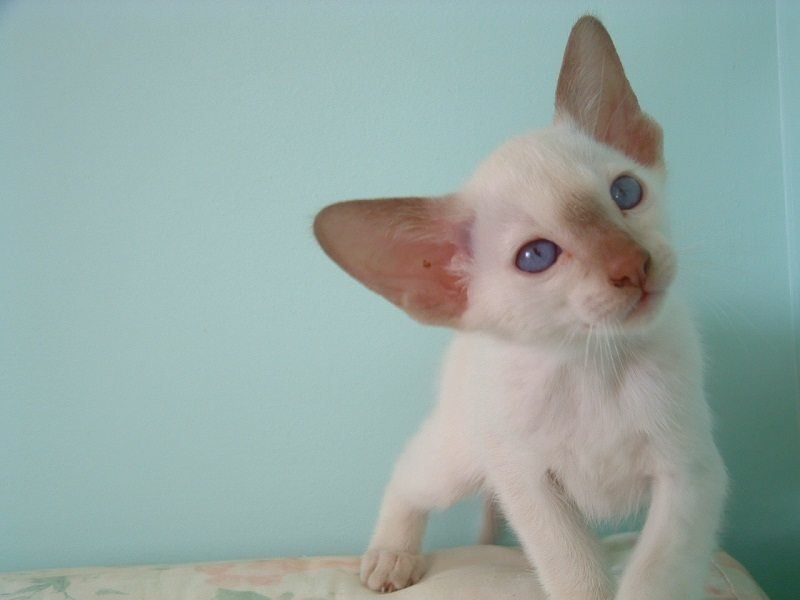
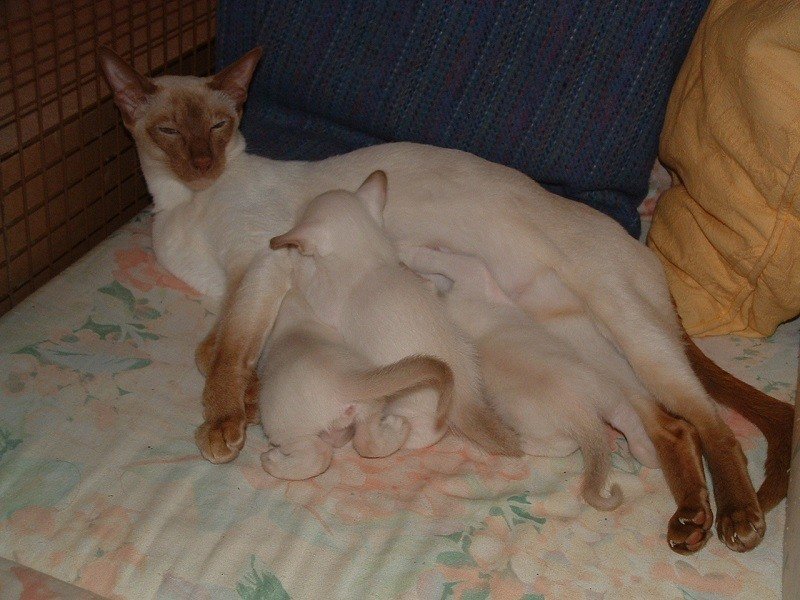
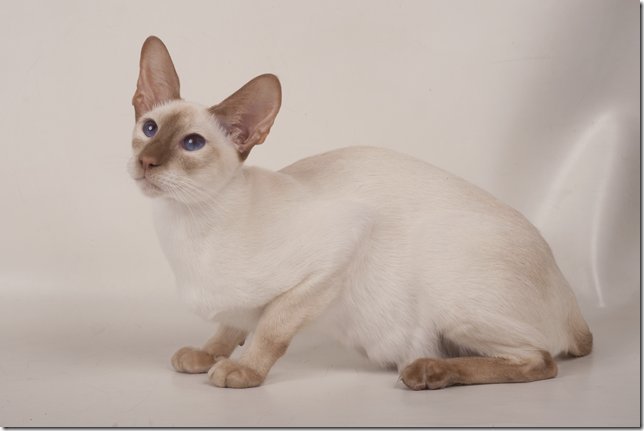
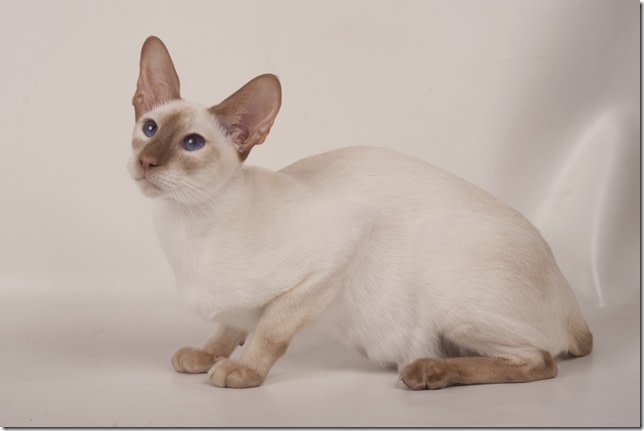
A selection of cinnamon point Siamese — pet companions and pedigree show cats. Click any photo to open the scrollable gallery.

📸 Got a Cinnamon Point Siamese? Add your cat to this gallery
This gallery grows over time — pet or pedigree, every cinnamon point is welcome. Enter our photo competition and your cat could feature here.
Cinnamon Point Personality and Temperament
The cinnamon colour gene does not affect personality or temperament. Cinnamon point Siamese cats exhibit the same affectionate, vocal, and interactive personality traits that define the breed, regardless of their colour variety.
All Siamese cats, including cinnamon points, are renowned for:
Exceptional vocality: Siamese are famously chatty and will ‘talk’ to their owners throughout the day. Cinnamon points are no exception — expect frequent, expressive communication about feeding time, playtime, and general household events.
Strong human bonding: Cinnamon points are people-oriented and actively seek human companionship. They often follow their owners from room to room and enjoy being involved in family activities.
Intelligence and trainability: Siamese cats are highly intelligent and responsive to training. Cinnamon points can learn to walk on leads, come when called, and respond to commands.
Playfulness and energy: Despite their elegant appearance, cinnamon points are active and playful. They enjoy interactive toys, climbing structures, and mental enrichment.
Loyalty and affection: Many owners describe cinnamon point Siamese as having dog-like devotion and genuine affection toward their people.
Health Considerations
The cinnamon colour gene is not associated with any particular health conditions. Cinnamon point Siamese have the same health profile as other pointed varieties and face no breed-specific health challenges beyond those common to all Siamese cats.
General health screening recommendations for Siamese include:
Hypertrophic cardiomyopathy (HCM): A heart condition that can occur in Siamese and other pedigree breeds. Responsible breeders conduct cardiac screening via echocardiography.
Progressive retinal atrophy (PRA): An inherited eye condition that can lead to blindness. Genetic testing is available, and responsible breeders screen breeding cats.
Strabismus (squint): Some Siamese cats display a genetic convergent squint. While largely cosmetic and not affecting vision, responsible breeders work to minimise this trait.
Asthma and respiratory sensitivity: Some Siamese cats are prone to asthma. Maintaining good air quality and minimising environmental irritants is important for affected cats.
When acquiring a cinnamon point kitten, choose a breeder who conducts health screening, provides documentation of health testing, and is willing to discuss their breeding programme’s health focus.
Acquiring a Cinnamon Point Siamese: What to Expect
Because cinnamon is a rare colour variant, acquiring a cinnamon point Siamese kitten requires patience, research, and commitment to finding a responsible breeder. Here’s what the process typically involves:
Finding a breeder: Begin by connecting with Siamese breed clubs, show societies, and online breed communities. Ask for breeder recommendations and attend Siamese shows if possible — this allows you to meet breeders, see cinnamon points in person, and evaluate breeding programmes directly.
Breeder evaluation: A responsible cinnamon breeder will possess detailed knowledge of cinnamon genetics, be willing to discuss breeding goals and colour development, provide references from previous kitten buyers, be transparent about any breeding challenges, and ask you detailed questions about your home and lifestyle. Responsible breeders are genuinely selective about where their kittens go.
Cost: Cinnamon point kittens from responsible breeders are typically priced at a premium compared to traditional seal point Siamese, reflecting the rarity of the colour and the breeder’s investment in developing and maintaining the colour line.
Waiting lists: Most responsible cinnamon breeders maintain waiting lists, as they don’t breed continuously or in large numbers. Be prepared to wait several months for a kitten, and view this waiting period as a positive indicator of a careful, health-conscious breeding programme.
Health documentation: A responsible breeder provides comprehensive health records, vaccination documentation, proof of health screening on both parents, a written contract with health guarantees, and ongoing availability for support and questions.
Ongoing support: Quality breeders remain available throughout your cat’s life to answer questions about behaviour, health, nutrition, and care. If circumstances ever require rehoming, responsible breeders ask for the cat to be returned to them.
When evaluating potential breeders, prioritise those who conduct health screening, provide documentation of health testing for both parents, are willing to answer detailed questions about their breeding programme and genetic planning, and offer post-purchase support and mentorship. The rarity of the colour can sometimes attract less scrupulous producers — genuine breeders are committed to breed health and type regardless of colour availability.
For detailed guidance on breeder evaluation and what to look for in a responsible cat breeder, see our comprehensive guide Finding a Good Cat Breeder.
Bringing home a kitten? Don’t wing it.

I wrote an eBook for new kitten owners that covers everything you actually need to know — how to prepare your home, what to feed, litter training that actually works, stopping the biting and scratching, reading your kitten’s body language, and what’s normal versus what’s not. It comes with printable checklists, a vaccination record and a first-week diary.
It’s called Kitten Care for New Cat Owners, it’s an instant download, and it will save you a lot of late-night Googling at 4am.