If you’ve spent any time around tortie point Siamese cats, you’ll know they’re not for the faint-hearted. After judging Siamese for over two decades with the GCCF, I can tell you that a tortie point Siamese isn’t just a colour variation — it’s a whole personality philosophy wrapped up in a beautifully patched coat. These cats are mischievous, opinionated, full of character, and absolutely captivating. They’re the cats that will steal your heart, reorganise your household, and keep you thoroughly entertained (or thoroughly exasperated, depending on the day).
The tortie point Siamese is perhaps the most distinctive and genetically fascinating of all Siamese colours. The combination of the iconic Siamese point pattern with the random tortoiseshell mottling creates something truly special — a cat that looks completely unique, with a personality to match.
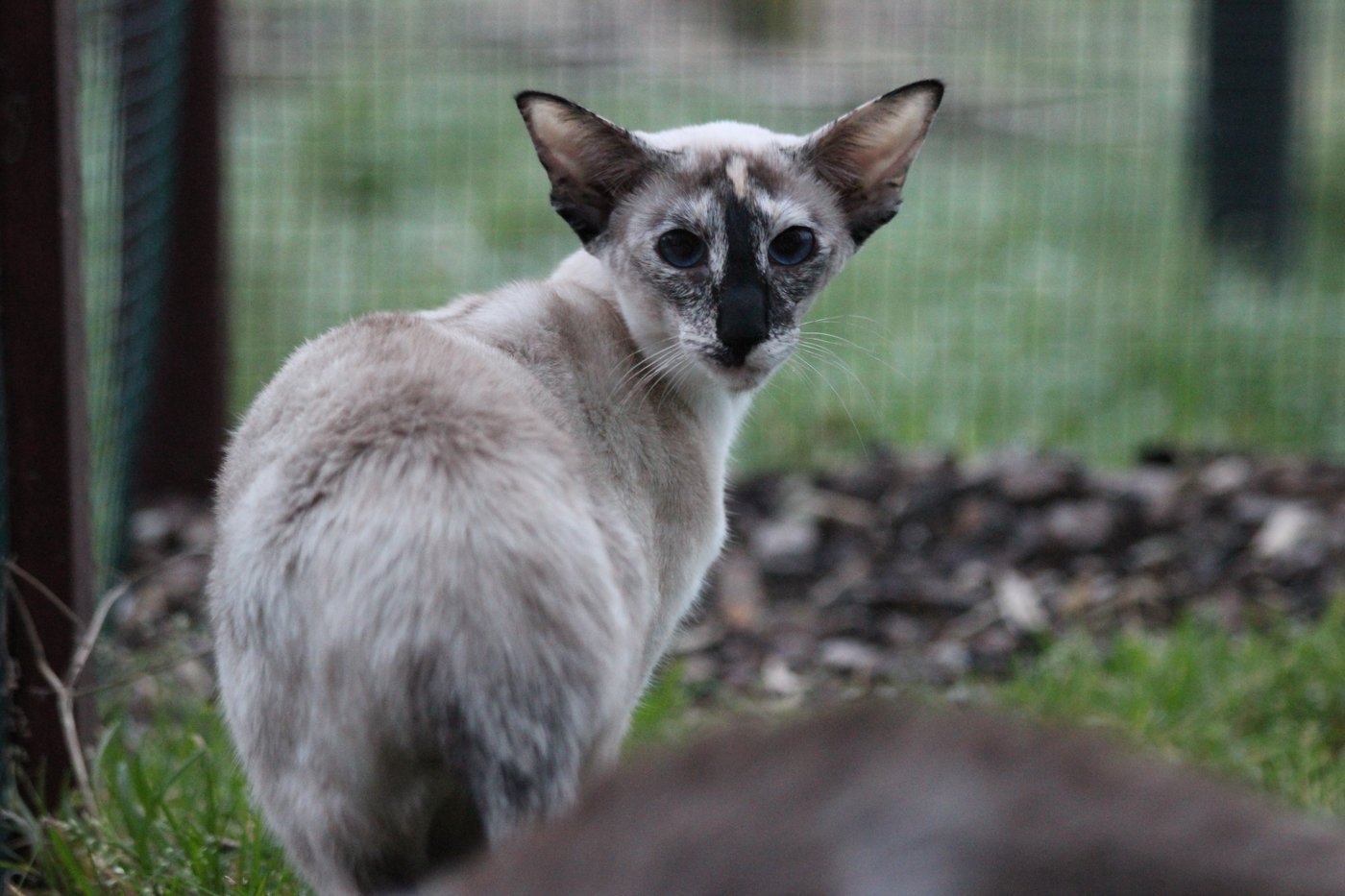
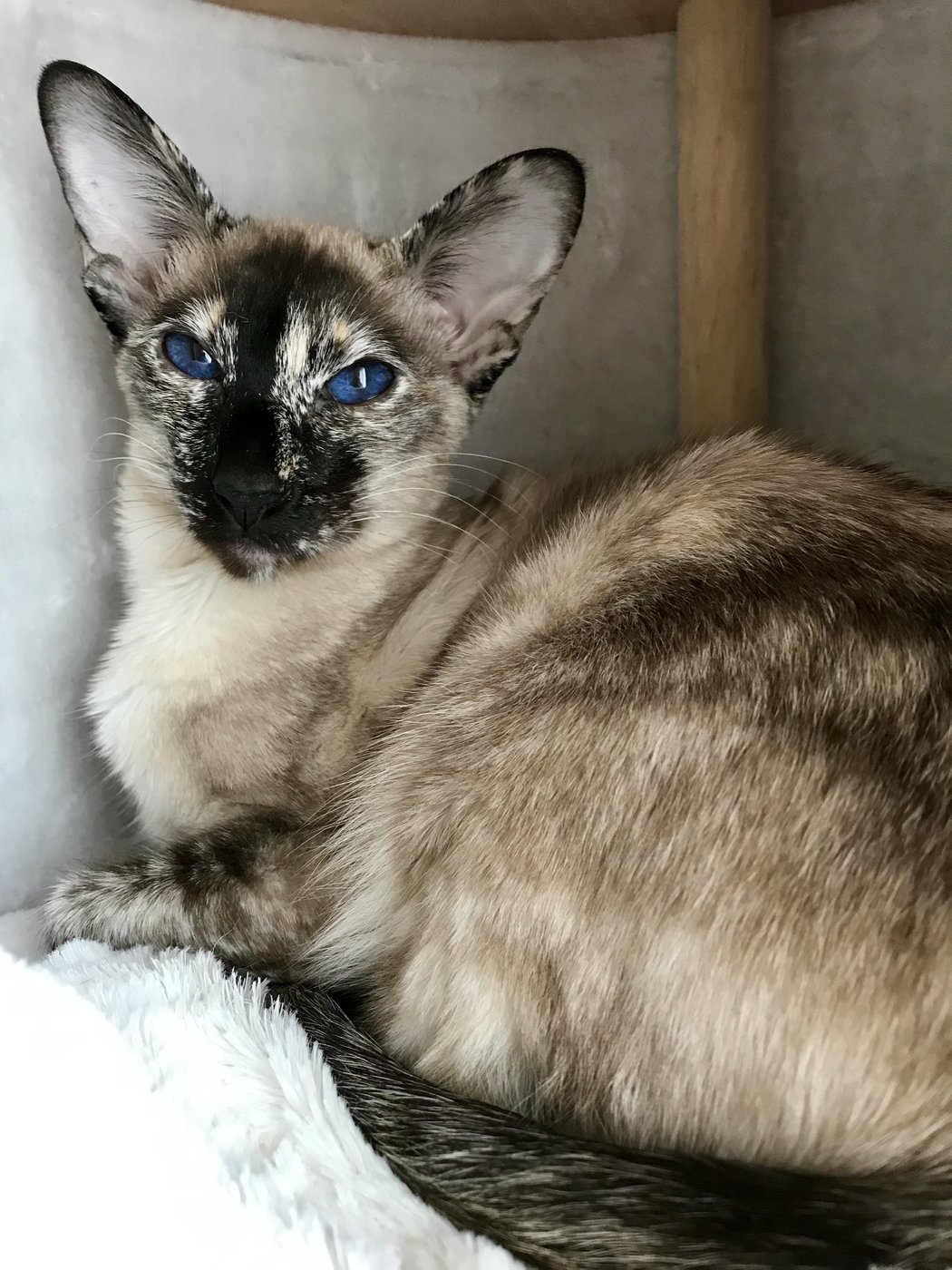
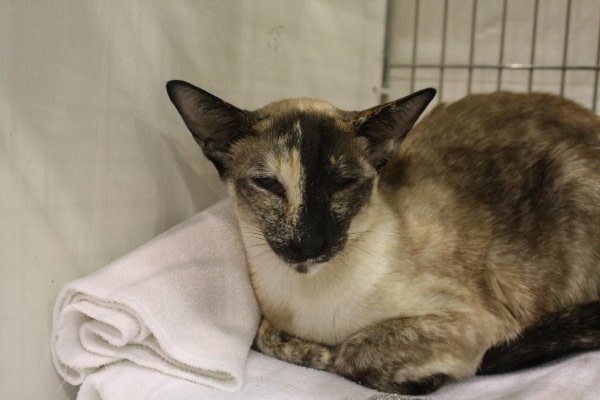
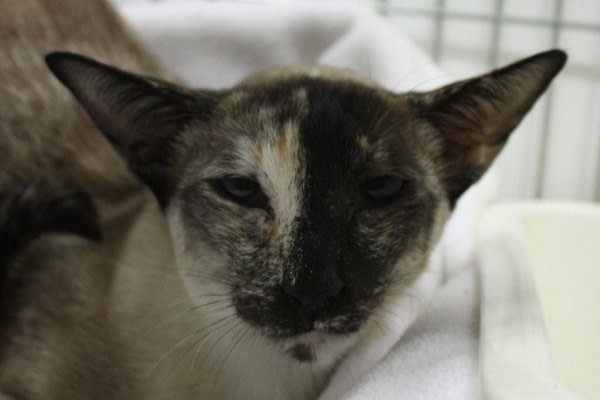
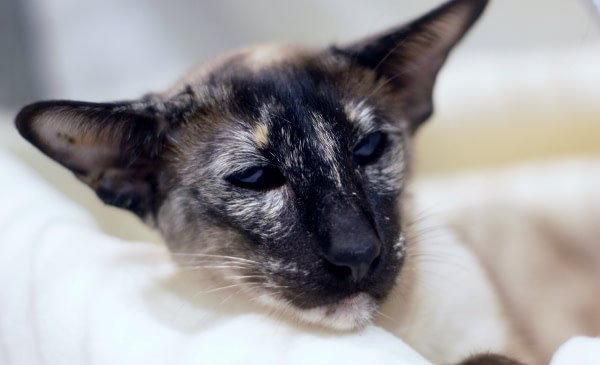
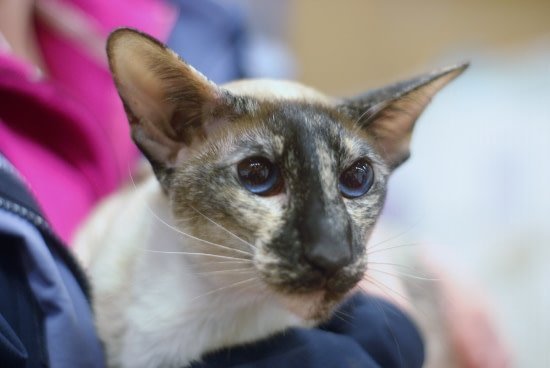
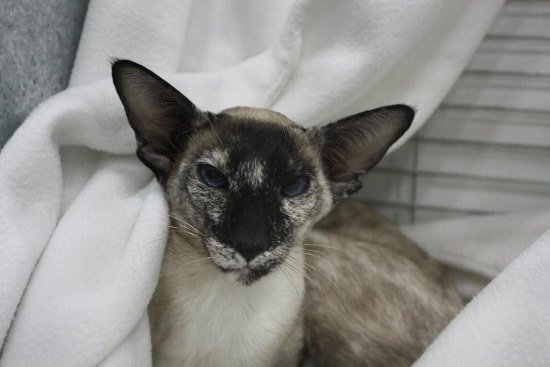
What is a Tortie Point Siamese? Tortie Point Siamese cats have beautifully mottled tortoiseshell-pattern points (face, ears, paws, tail) in combinations of red, cream, apricot or orange, with a glacial white body. They are one of the most distinctive Siamese colours, nearly always female due to sex-linked genetics, and famous among cat lovers for their characterful, feisty “tortitude” personality. With seven different colour variants recognised by the GCCF — from seal tortie to caramel tortie — no two tortie points ever look identical.
Why Tortie Point Siamese Are Almost Always Female
The magic (and the rarity of males) comes down to one thing: the orange gene. To understand why nearly every tortie point you’ll ever meet is female, you need to understand how the O gene (orange) works.
The orange gene sits on the X chromosome only. There is no orange gene on the Y chromosome. This is what we call sex-linked inheritance, and it’s the key to understanding tortoiseshell siamese cat genetics.
Female cats have two X chromosomes (XX). A female can inherit zero, one, or two orange genes. When she inherits exactly one orange gene, you get a tortoiseshell pattern — patches of red and non-red colours side by side. This is what creates the beautiful mottled effect you see on a tortie point’s face, ears, legs and tail.
Male cats have one X chromosome and one Y chromosome (XY). A male can only inherit the orange gene on his single X chromosome. If he does, he’ll be entirely red (or cream, or apricot — depending on other modifying genes). He cannot be a tortoiseshell, because he only has one X chromosome to work with. There’s no second X chromosome to carry the non-orange colour.
Male tortie Siamese do exist, but they are exceptionally rare — and nearly always sterile. These males are XXY, a chromosomal variation that gives them two X chromosomes instead of one. In my twenty-plus years judging, I’ve seen perhaps two or three XXY male torties, and they were curiosities, not breeding animals.
This is why when you’re looking at tortie siamese cats, you’re almost certainly looking at a female. And it’s also why breeding torties is such a thrilling lottery for breeders — you never quite know what you’re going to get.
The GCCF Breed Standard for Tortie Points
Tortie Point Siamese were a relatively late addition to the GCCF breed standard. The first seal tortie points were recognised in 1966, given the breed number 32b1 (now SIA f under GEMS). This was groundbreaking — tortoiseshell Siamese had been bred sporadically before, but they’d never been officially recognised or standardised.
The classification system that followed is quite intricate. Here’s how the GCCF breed numbers break down for tortie points:
Under the GCCF’s modern GEMS coding system, Siamese tortie points are coded by base colour. Seal tortie point is SIA f. Blue tortie point is SIA g. Chocolate tortie point is SIA h. Lilac tortie point is SIA j. Cinnamon tortie point is SIA q. Fawn tortie point is SIA r. Caramel tortie point isn’t a single code — caramel is a dilute modifier (number 121) that can sit on a blue, lilac or fawn base, so a caramel tortie can be SIA g 121, SIA j 121, or SIA r 121 depending on her underlying base colour. Under the older system these were all numbered 32b1 through 32b9, but GEMS gives a more accurate genetic picture of what each cat actually carries.
When the blue, chocolate and lilac torties were first classified, they were actually grouped under 32c. But in 1971, the breed standard was revised and these colours were transferred to 32b — bringing all the tortie points under one numbering family. (The 32b series has since been replaced by GEMS, where each base colour carries its own letter code.)
The breed standard for tortie points is strict about one thing: mottling on the points. For a tortie to be showable, it must have tortoiseshell mottling visible on the face, ears, legs and feet, and tail. A tortie with mottling only on the face isn’t meeting the standard. A tortie with a solid-coloured paw pad might be penalised. This is what makes breeding for show torties so challenging — the markings are completely unpredictable, and they take time to develop properly.
History of the Tortie Point Siamese
Tortie points didn’t emerge from nowhere. Breeders in the late 1940s began experimenting with crossing Siamese with British shorthair tortoiseshells, trying to create a Siamese with the distinctive tortoiseshell pattern. It took time — and many, many crosses — before you could breed a true-Siamese tortie point.
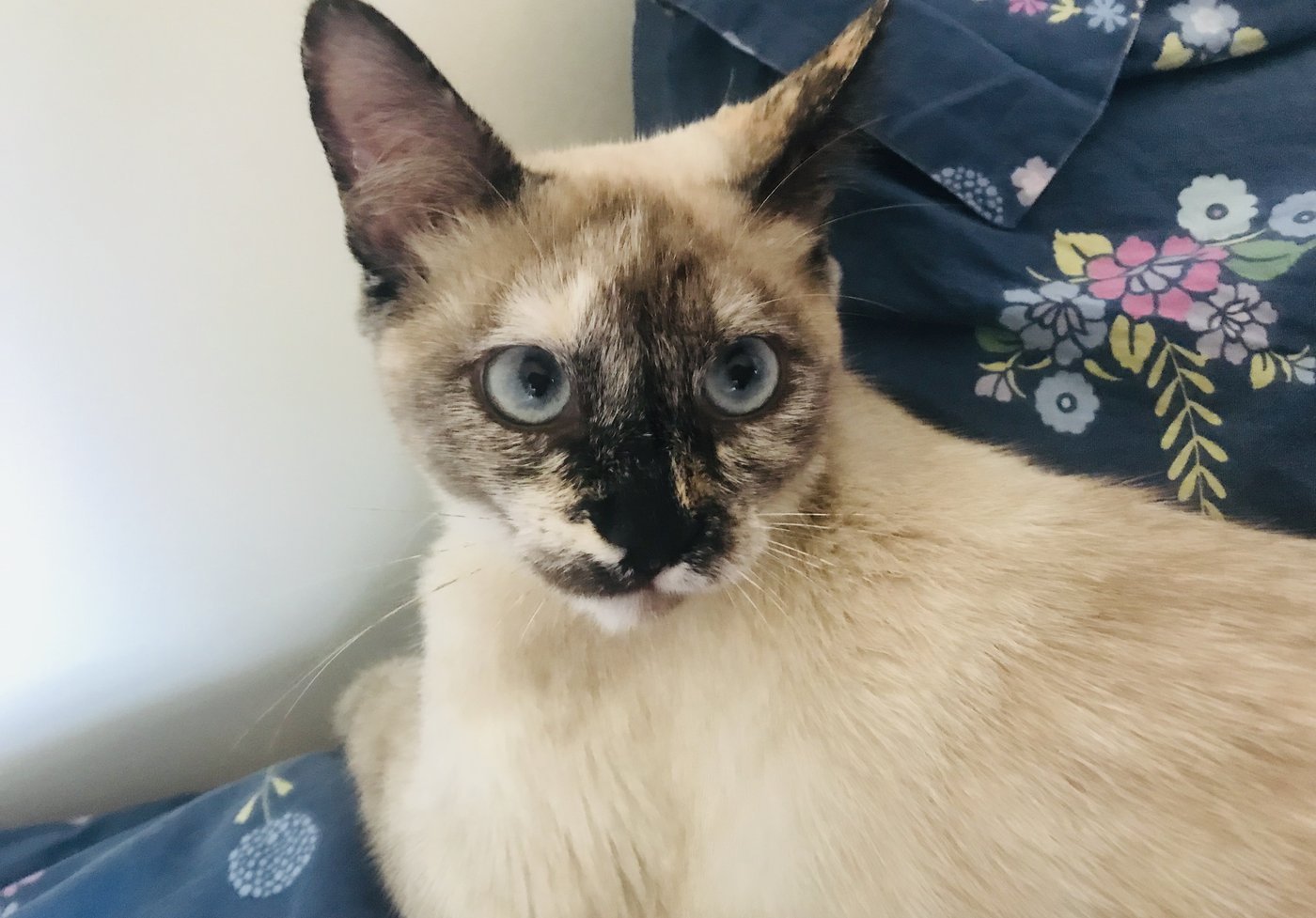
The turning point came in 1966, when the GCCF officially recognised seal tortie points. By 1967, enthusiasts had formed the Tortie and Blue Tortie Point Siamese Club of Great Britain, signalling that there was real interest in these cats. The breed was gaining traction.
The subsequent colour variations came in waves. Blue, chocolate and lilac torties were recognised relatively quickly, though their initial classification under 32c was revised in 1971 when the standard was tightened. Then came a long gap before the newer colours — cinnamon, caramel and fawn torties — were officially recognised. Cinnamon torties gained acceptance in 1993. Caramel torties followed in 2004. Fawn torties came through in 2004 as well. This staggered timeline reflects how the broader Siamese colour genetics were being understood and accepted by breed councils.
Today, the tortie point remains one of the most characterful and beloved Siamese colour variants, though still less common than the solid points. That rarity, combined with their magnetic personality, has kept them firmly in the hearts of Siamese breeders and fanciers.
Tortie Point Genetics — The Orange Gene and Mottling
Now let’s talk about what actually makes the mottling. The orange gene is dominant — when a female cat carries even one copy of it, that patch of fur will be orange (or its dilute versions: cream, apricot, or fawn). Where she doesn’t carry the orange gene, the colour will be non-red — black, blue, chocolate, lilac, cinnamon or caramel, depending on other genes.
In a tortoiseshell pattern, these two colours don’t blend. They sit side by side in distinct patches. This is because of X-inactivation — a process where each female mammal randomly “switches off” one of her X chromosomes in each cell. Some cells switch off the orange X chromosome, leaving the non-orange colour to show. Other cells switch off the non-orange X chromosome, leaving the orange colour to show. The result is a patchy, mottled pattern — completely random and entirely unique to each cat.
This randomness is why no two tortie point Siamese are ever identical. You might have two seal tortie sisters from the same litter, and their mottling patterns will be completely different. One might have a striking facial blaze. The other might have mottling clustered on one side of the face. Their tails might be completely different patterns. This unpredictability is part of what makes breeding torties such an adventure.
The mottling doesn’t always appear immediately either, especially in the lighter colours. A fawn tortie kitten might look almost solid at eight weeks. By four or five months, the pattern begins to emerge as the guard hairs grow in. The body colour also develops a subtle tortie shading with age — a tonal effect that makes a mature tortie point look even more intricate and interesting than she did as a young cat.
All Seven Tortie Point Colour Variants
The GCCF recognises seven distinct colour variants in tortie point Siamese. Each one is visually striking in its own way.
Seal tortie point (SIA f, formerly 32b1) combines seal brown with red — the classic tortoiseshell mottling. The darker colour is a rich sable brown, and the tortie patches are warm orange-red. This was the original colour, and it remains the most classic.
Blue tortie point (SIA g, formerly 32b2) has blue-grey as the base colour, with cool cream tones in the tortie patches. It’s a softer, more subtle look than seal tortie, but equally striking. The contrast between grey and pale cream can be absolutely beautiful.
Chocolate tortie point (SIA h, formerly 32b3) combines warm chocolate brown with red patches. Think seal tortie, but warmer — the brown is lighter and warmer than sable, and it creates a really appealing contrast.
Lilac tortie point (SIA j, formerly 32b4) is the pale grey variant with cool cream mottling. It’s one of the most ethereal-looking torties, though the mottling can be harder to see initially because the colour contrast is more subtle.
Cinnamon tortie point (SIA q, formerly 32b7) pairs warm cinnamon brown with red patches. The cinnamon base is lighter and more ruddy than chocolate, giving it a distinctive warm tone that’s instantly recognisable.
Fawn tortie point (SIA r, formerly 32b9) is an absolute dream — warm, pale, fawn-beige with cream tortie patches. In good light, you can see the mottling clearly. In certain light, it looks almost like a solid fawn cat with subtle tortoiseshell undertones. Fawn torties often puzzle people because the colour contrast is so gentle.
Caramel tortie point (SIA g 121, j 121 or r 121 — formerly 32b8) combines warm, slightly dusty brown with apricot patches. It’s one of the newer recognised colours, and it has a warmth and depth that’s quite special — like chocolate, but with a more apricot-toned tortie element.
What Do Tortie Points Actually Look Like?
Here’s the thing about tortie point Siamese: they’re impossible to describe accurately without seeing one. The mottling is so individual that any description sounds generic.
Some tortie points have a bold facial blaze — a thick stripe of one colour running down the centre of the face. Others have a more scattered, speckled pattern with no clear blaze. Some have perfect symmetry, with mirror-image patches on either side of the face. Others are completely asymmetrical — solid colour on one side of the face, heavily mottled on the other.
The ears might be solid, or half-and-half, or completely patched. The legs might be striped, or solid, or so mottled you can barely see the underlying colour. The tail can be ringed with alternating colours, or patched, or almost solid. Every tortie is a study in variation.
What I find most fascinating is how the look develops over time. A kitten that looked mostly one colour at six weeks will transform by six months. The body colour takes on that tonal tortie shading — a dusting of lighter colour throughout the body that gives mature tortie points real depth. By the time a tortie reaches adulthood, she often looks even more intricately patterned than she did as a young cat.
This is what makes tortie point Siamese so popular in the show ring (when they have good mottling, at least). They’re visually interesting. They catch the eye. No two look the same, so judges can’t be bored by a line of identical cats.
A Gallery of Tortie Point Siamese
A selection of tortie point Siamese — pet companions and pedigree show cats. Click any photo to open the scrollable gallery.
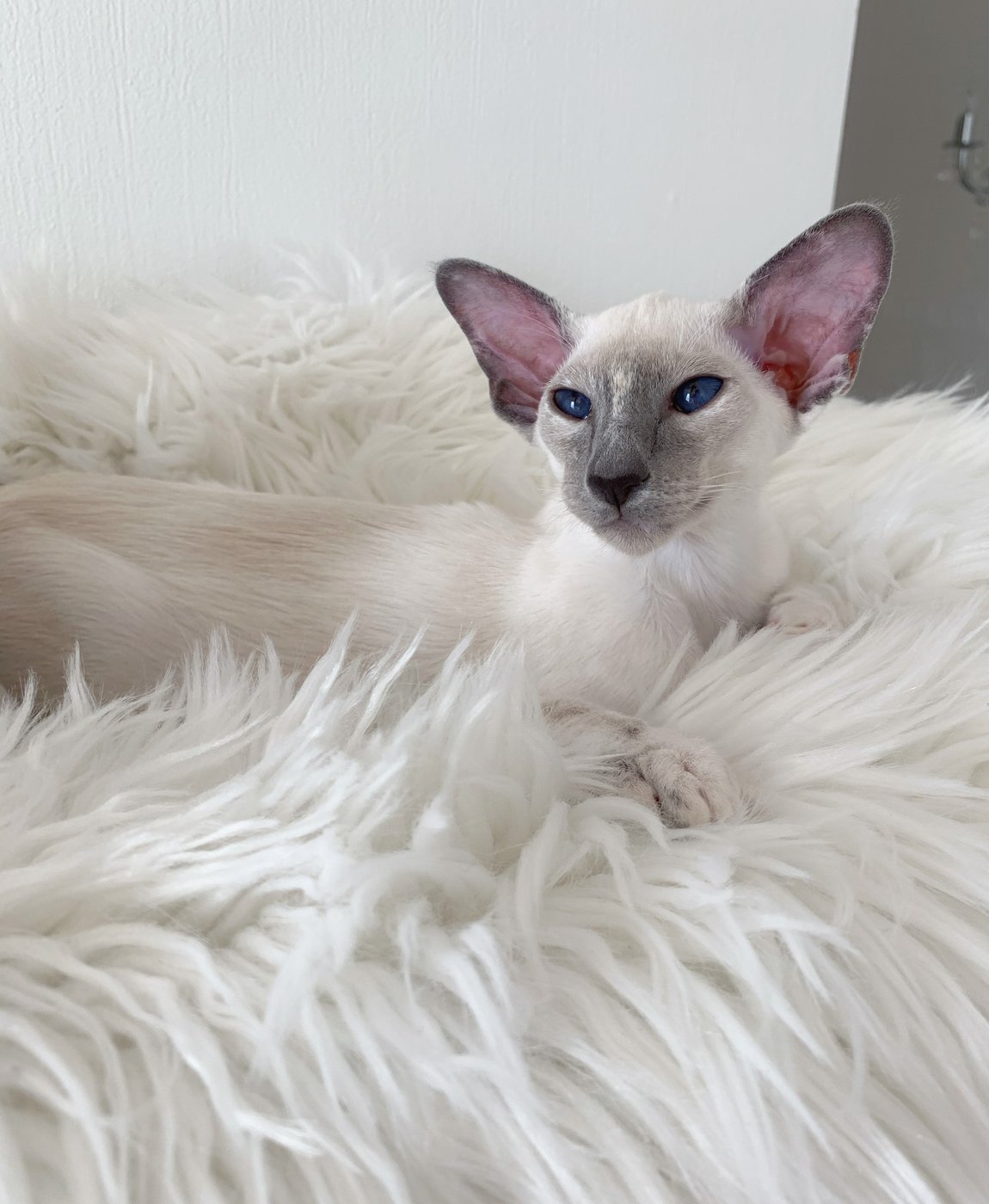
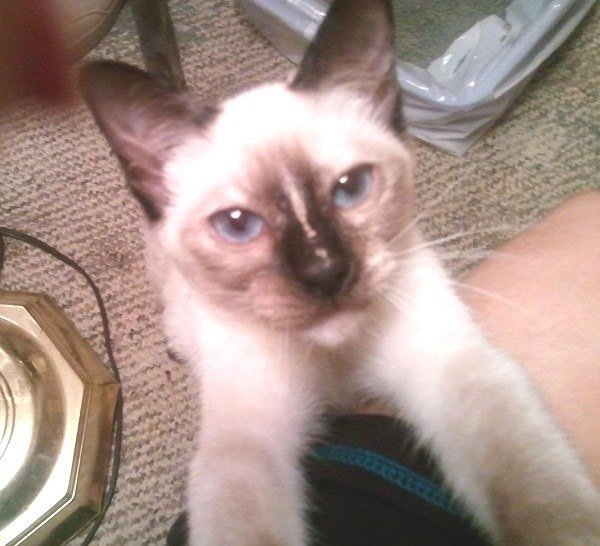
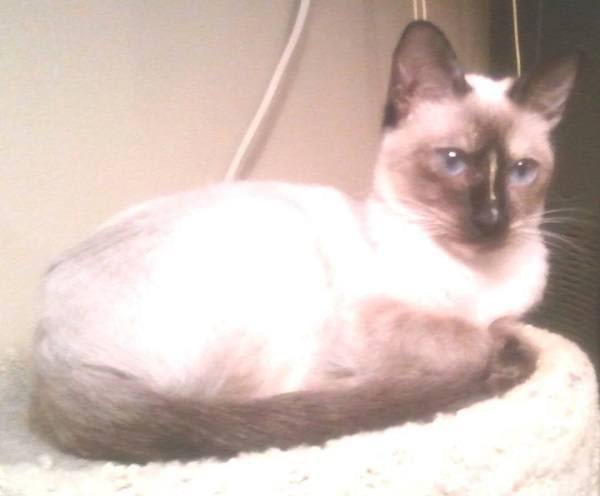
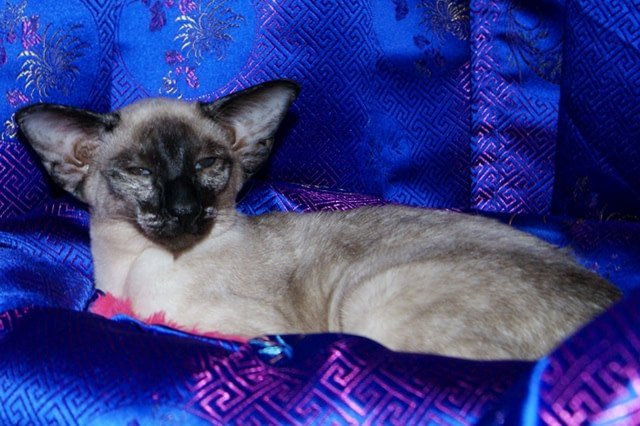
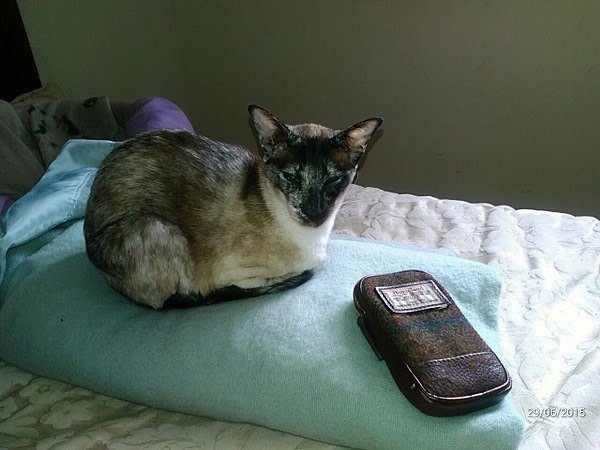
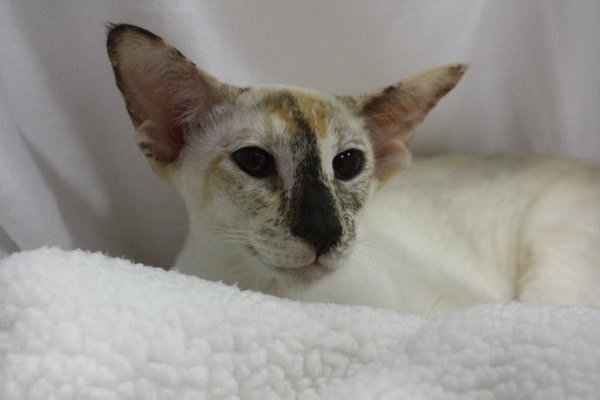
📸 Got a Tortie Point Siamese? Add your cat to this gallery
This gallery grows over time — pet or pedigree, every tortie point is welcome. Enter our photo competition and your cat could feature here.
Notable Show Winners
Tortie point Siamese that have made their mark in the show ring over the years.
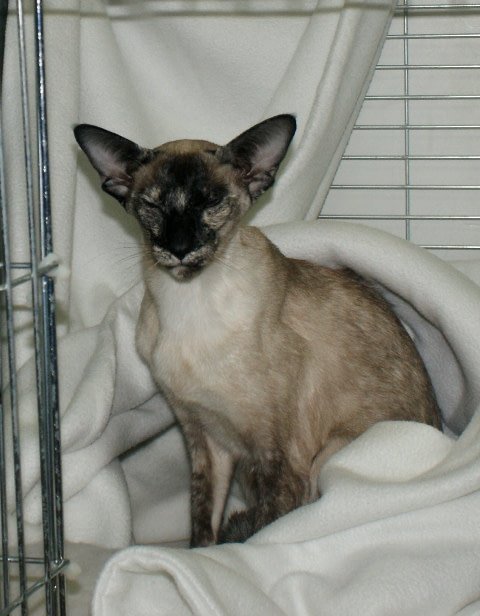
Tortitude — The Tortie Personality
Now we get to the part that every tortie owner will enthusiastically testify to: the personality. If you own a tortie point Siamese, you already know what “tortitude” means. If you don’t, let me explain: it’s the combination of sass, mischief, strong will, and absolute refusal to be boring that every tortoiseshell cat seems to be born with.
Tortie point Siamese take this to another level. They’re not just tortoiseshells — they’re Siamese tortoiseshells, which means they have the vocal, opinionated, demanding nature of a Siamese combined with the impulsive, feisty, mischievous character of a tortie. The result is a cat that will tell you exactly what she thinks, right now, without any filter.
In my experience, tortie Siamese are full of character in ways that solid-point Siamese sometimes aren’t. They retain that kitten playfulness for a very long time — sometimes for their entire lives. They’re inquisitive, they’re adventurous, they’re prone to getting into things they shouldn’t, and they’re absolutely shameless about it. A seal point might meow at you demandingly; a tortie point will meow, then ignore your response, then knock something off a shelf while making eye contact to ensure you saw it.
Are they always naughty? Not always. But they’re never boring. Even the sweetest, most affectionate tortie has a streak of unpredictability. They like on their own terms. They’ll demand cuddles, then decide three minutes later that they’d much rather knock a pen off your desk. They’re the cats that remind you that you don’t own them — you simply coexist with them on their terms.
Breeders who enjoy this kind of character often specifically breed for tortie points because of it. There’s something deeply satisfying about having a cat that’s not predictable, that will keep you on your toes, that treats your household like her personal adventure park. These are cats for owners who like the unpredictable and genuinely enjoy adventure.
Breeding Tortie Point Siamese
From a breeder’s perspective, tortie point Siamese are endlessly fascinating and eternally frustrating in equal measure. You can’t predict what you’ll get.
To produce tortie point kittens, you need a female who carries at least one orange gene. She might be a tortie herself, or she might be a red-point carrying the orange gene, or even a self-colour who’s a carrier (though this is rarer). You then breed her to a male — usually a red point or another colour, depending on what tortie variant you’re aiming for.
But here’s where the lottery begins: you can’t guarantee the mottling. The kitten might be a perfect tortie with mottling on all four points and the tail, or she might be born with mottling only on the face. She might be entirely one colour for her first eight weeks, then gradually develop the tortie pattern. The body colour is unpredictable. The pattern is unpredictable. The extent of the mottling is unpredictable.
For show breeders, this is both the appeal and the challenge. You’re breeding typey, stylish Siamese cats, but you have no guarantee that the tortie points you produce will have show-quality mottling. Some litters give you gorgeous, boldly marked torties. Others give you subtle, pale patterns that are harder to appreciate. This unpredictability keeps breeders humble — and keeps them coming back.
FAQ — Your Tortie Point Questions Answered
Are tortie point Siamese always female?
Nearly always, yes. The orange gene is sex-linked, sitting only on the X chromosome. Female cats (XX) can carry one orange gene and be tortoiseshell. Male cats (XY) can only be entirely red or entirely non-red. Male tortie Siamese are exceptionally rare — they’re XXY, and nearly always sterile. If you find a male tortie, you’ve got something genuinely unusual on your hands.
Is tortoiseshell the same as tortie?
Essentially, yes — tortie is just short for tortoiseshell. A tortoiseshell (or tortie) is any cat with patches of two colours — typically red and non-red — arranged in a mottled pattern. A tortie point Siamese is a Siamese cat with this tortoiseshell pattern showing on the points.
How rare are tortie point Siamese?
Rarer than solid-point Siamese, but not impossibly so. They require specific breeding — you need at least one parent carrying the orange gene. They’re more common in breeding programmes that specifically aim for them, but less common in the general Siamese population.
What is tortitude?
Tortitude is the combination of sass, feistiness, and strong personality that tortoiseshell cats are famous for. Tortie point Siamese have tortitude in spades. It’s not scientifically proven (coat colour and personality aren’t directly linked), but every tortie owner will tell you it’s real.
What colours do tortie point Siamese come in?
The GCCF recognises seven colour variants: seal tortie, blue tortie, chocolate tortie, lilac tortie, cinnamon tortie, caramel tortie, and fawn tortie. Each combines a base colour with red or cream tortie patches.
Can you get a male tortie point Siamese?
Theoretically yes, but practically almost never. A male would need to be XXY — an extremely rare chromosomal variation. Even then, he’d almost certainly be sterile. Seeing a male tortie point is genuinely remarkable.
Do tortie point Siamese have different personalities?
Absolutely. While all Siamese are vocal and affectionate, torties bring an extra element of unpredictability and mischief. They’re more likely to be opinionated, feisty, playful, and determined to get their own way. Whether that’s because of coat colour genetics or because tortie owners select for those traits is debatable — but the pattern is consistent.
Browse More Colour Profiles
Bringing home a kitten? Don’t wing it.

I wrote an eBook for new kitten owners that covers everything you actually need to know — how to prepare your home, what to feed, litter training that actually works, stopping the biting and scratching, reading your kitten’s body language, and what’s normal versus what’s not. It comes with printable checklists, a vaccination record and a first-week diary.
It’s called Kitten Care for New Cat Owners, it’s an instant download, and it will save you a lot of late-night Googling at 4am.
Want to learn more about other Siamese colour variations? Explore our complete guide to Siamese cat colours and patterns. You might also be interested in seal point Siamese cats or red point Siamese cats.
For deeper dives into Siamese genetics, explore our Siamese cat genetics guide, or learn about colour development in Siamese kittens. If you’re considering a tortie point for your family, our breeder selection guide will help you find a responsible, ethical breeder.