When you mention a Siamese cat to anyone down the pub, I’d bet nine times out of ten they’re picturing a seal point siamese in their mind. That classic contrast — the dark points against the pale cream body, those piercing sapphire blue eyes — it’s become the very definition of what a Siamese looks like to the general public. And there’s good reason for that. The seal point siamese isn’t just one colour variant among many; it’s the foundation, the original, the colour that started it all when these extraordinary cats first arrived in Britain in the 1800s.
I’ve been judging Siamese cats for over two decades, and I can tell you that seal point siamese cats still represent the pinnacle of the breed’s visual appeal. There’s something timeless about them — something that hasn’t changed in essence since those early imports came here on the Silk Road trade routes. Of course, we’ve refined the breed, established proper standards, and created some stunning modern type cats, but the seal point remains the benchmark. It’s the colour that defines everything else.
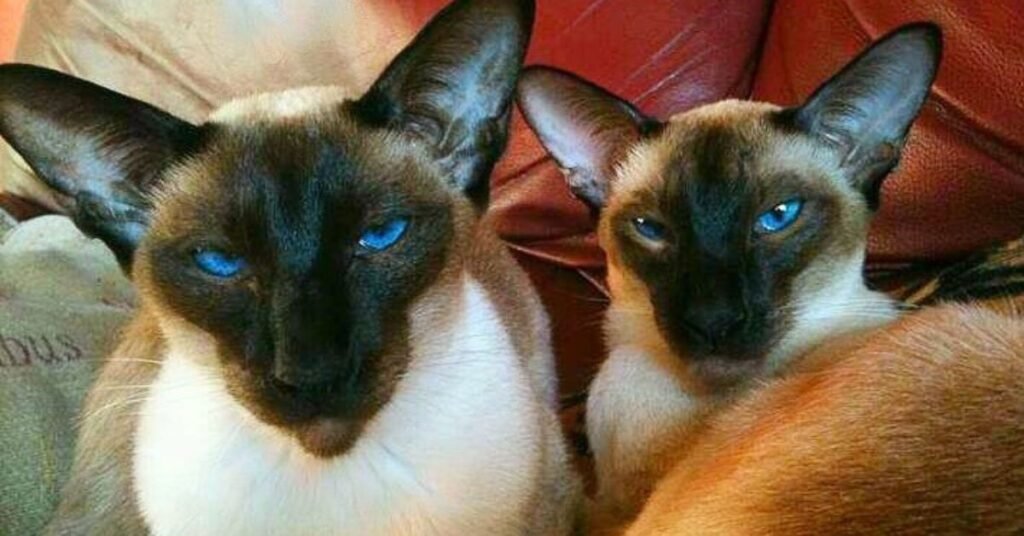
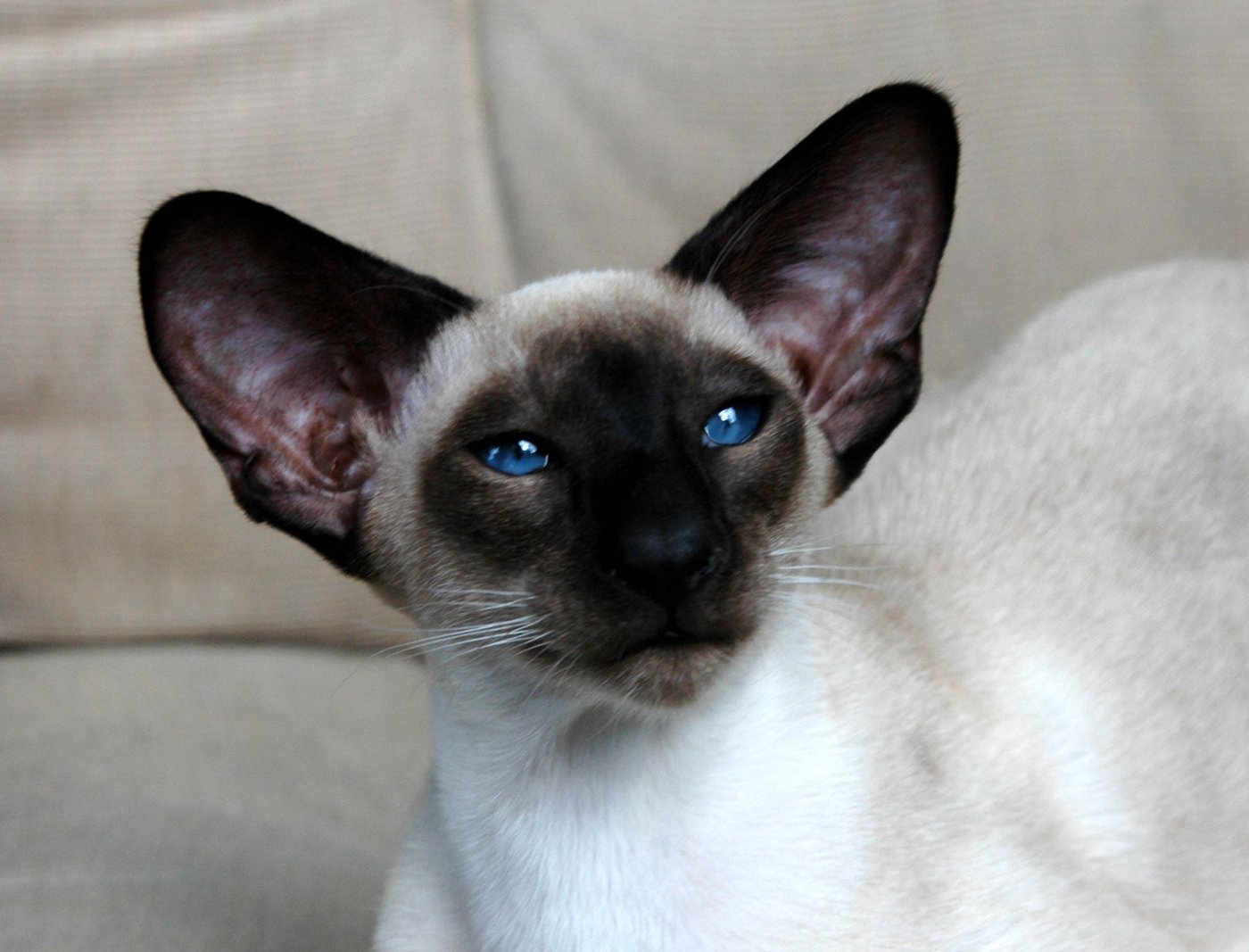
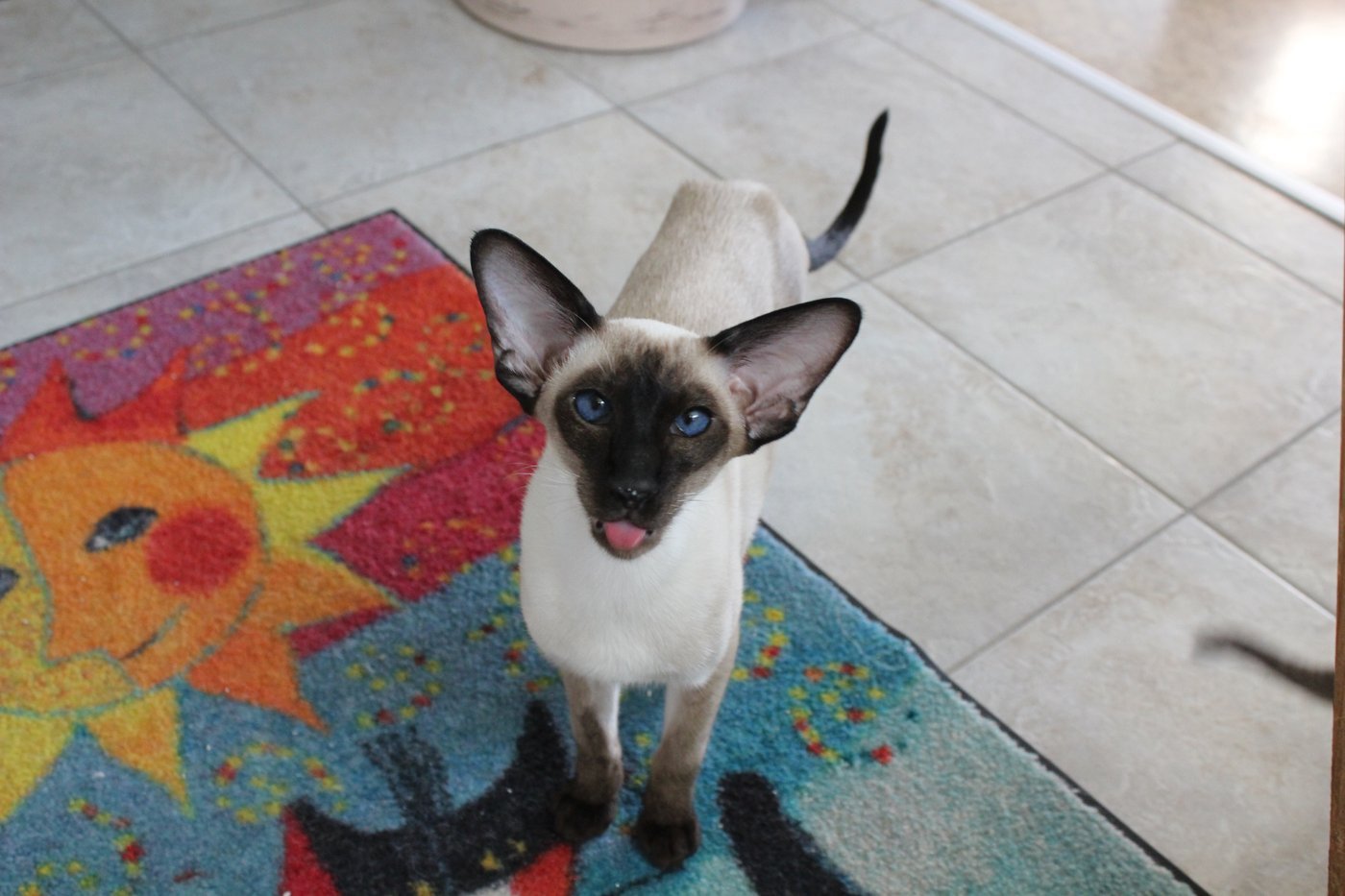
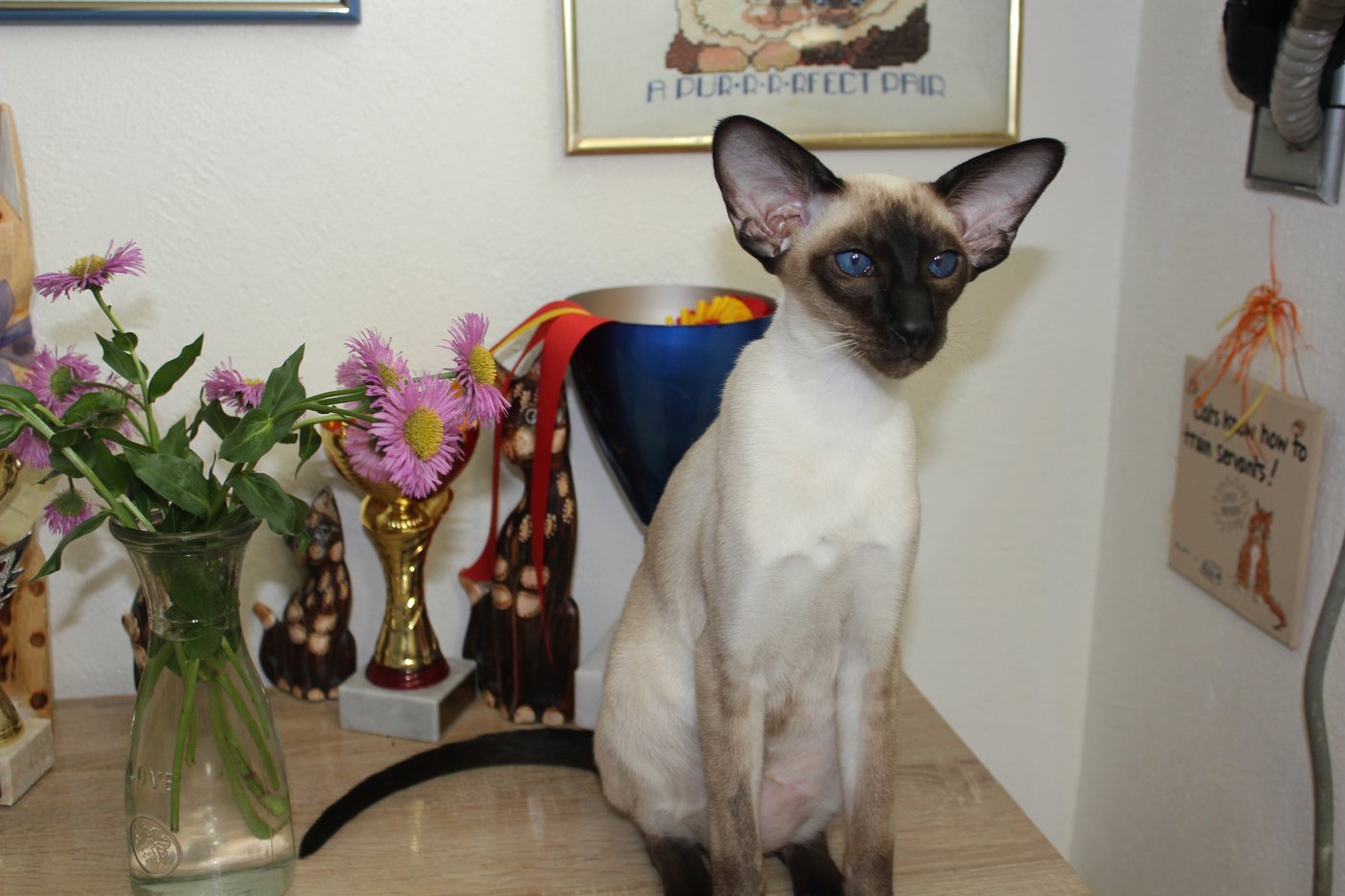
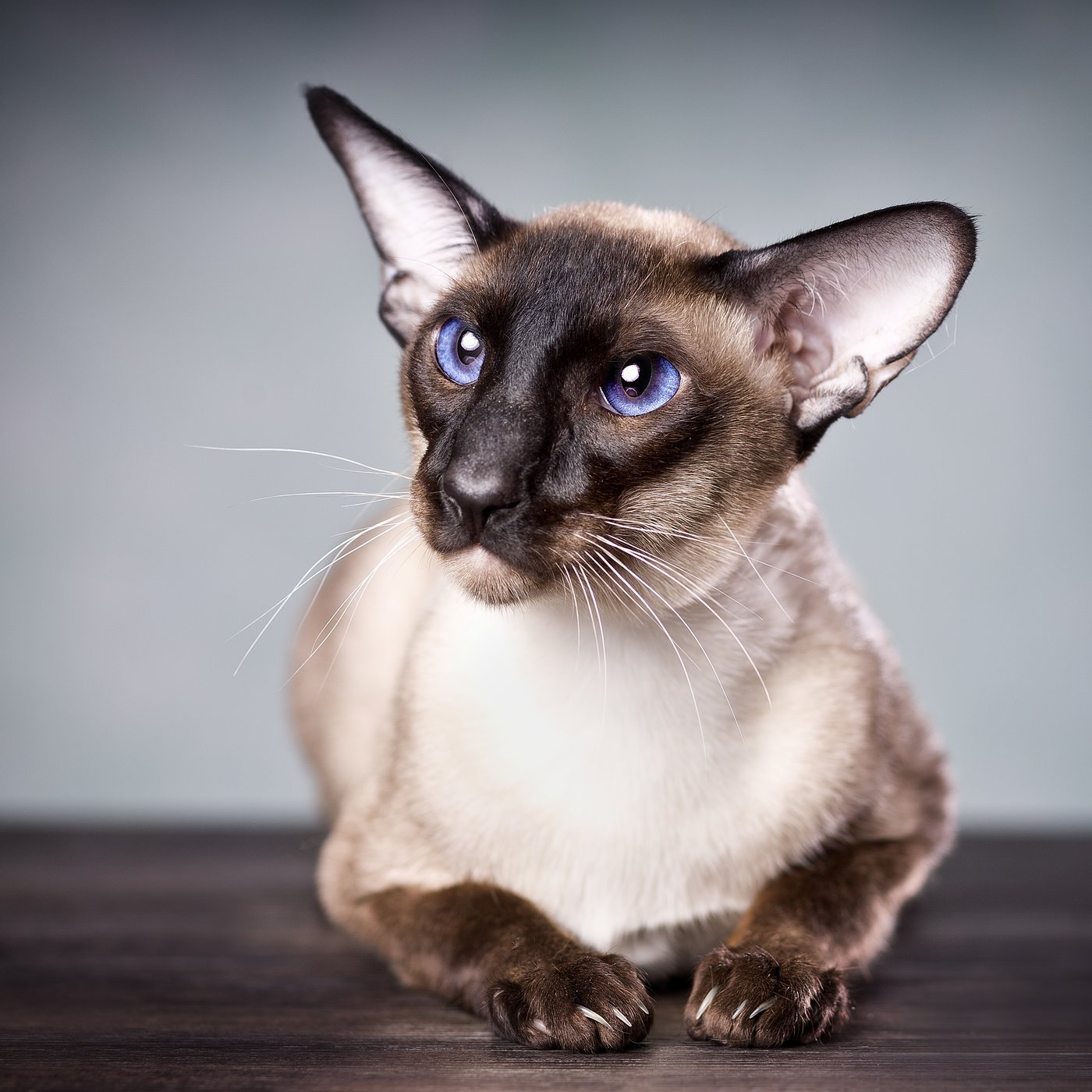
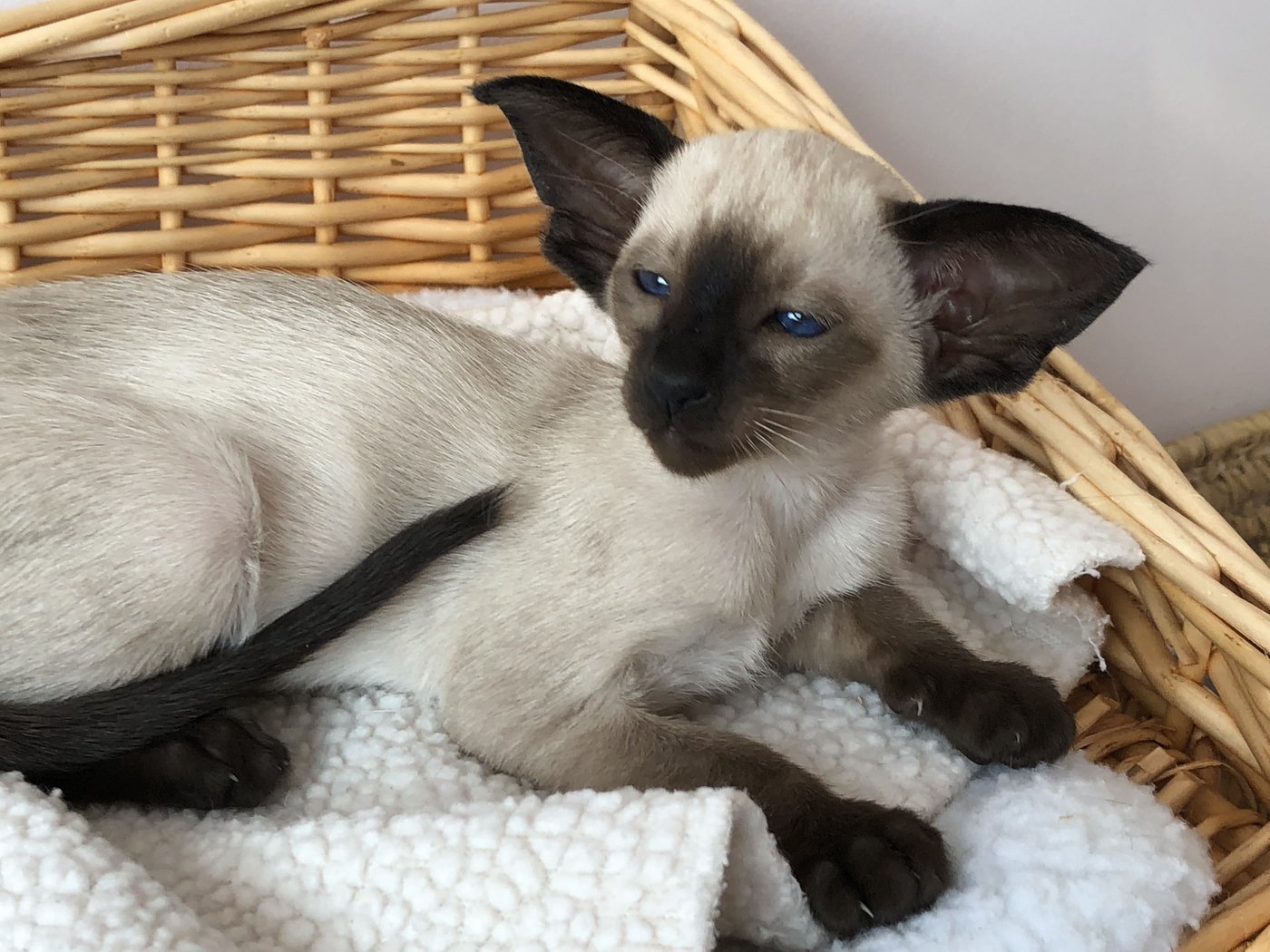
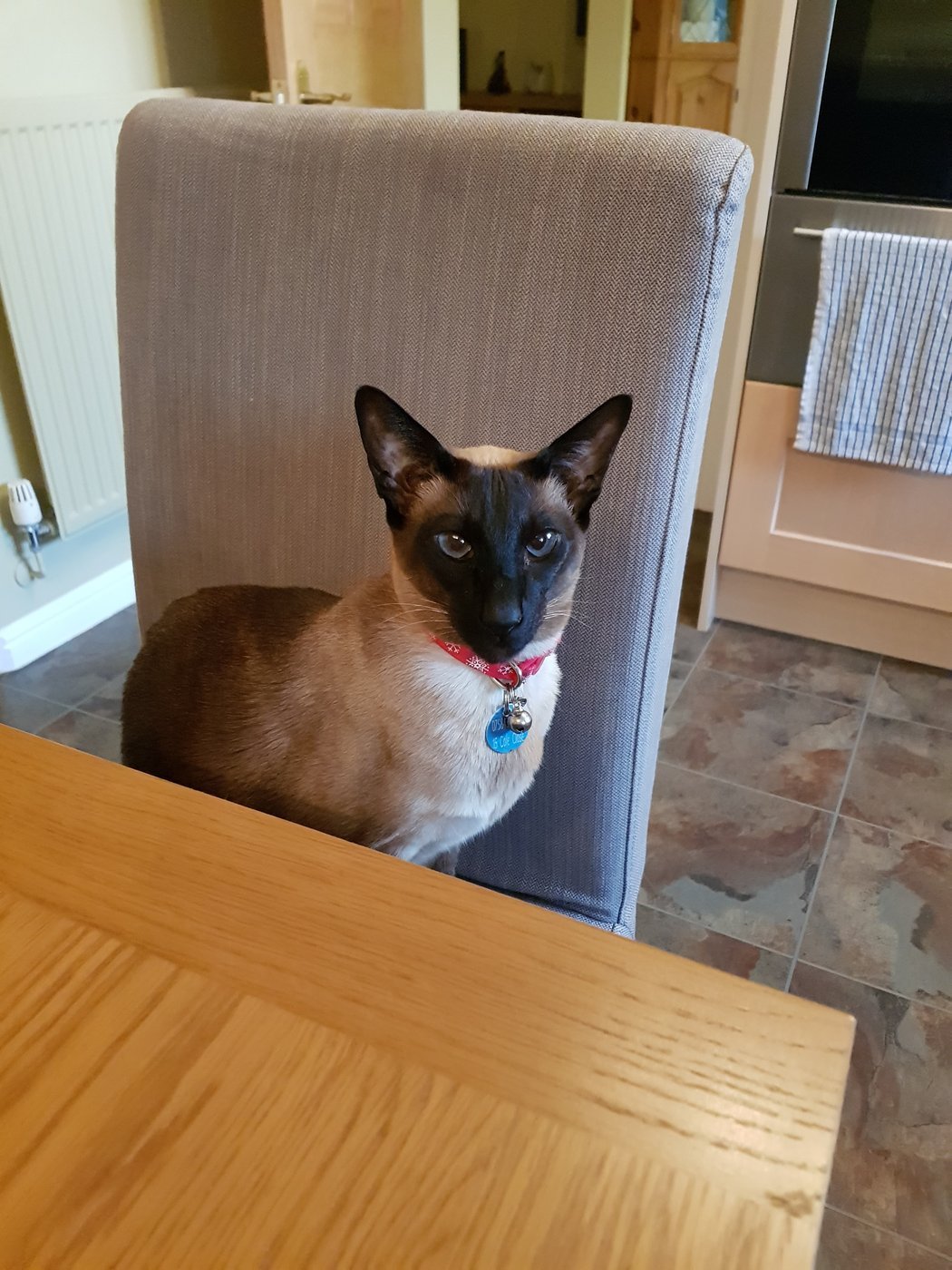
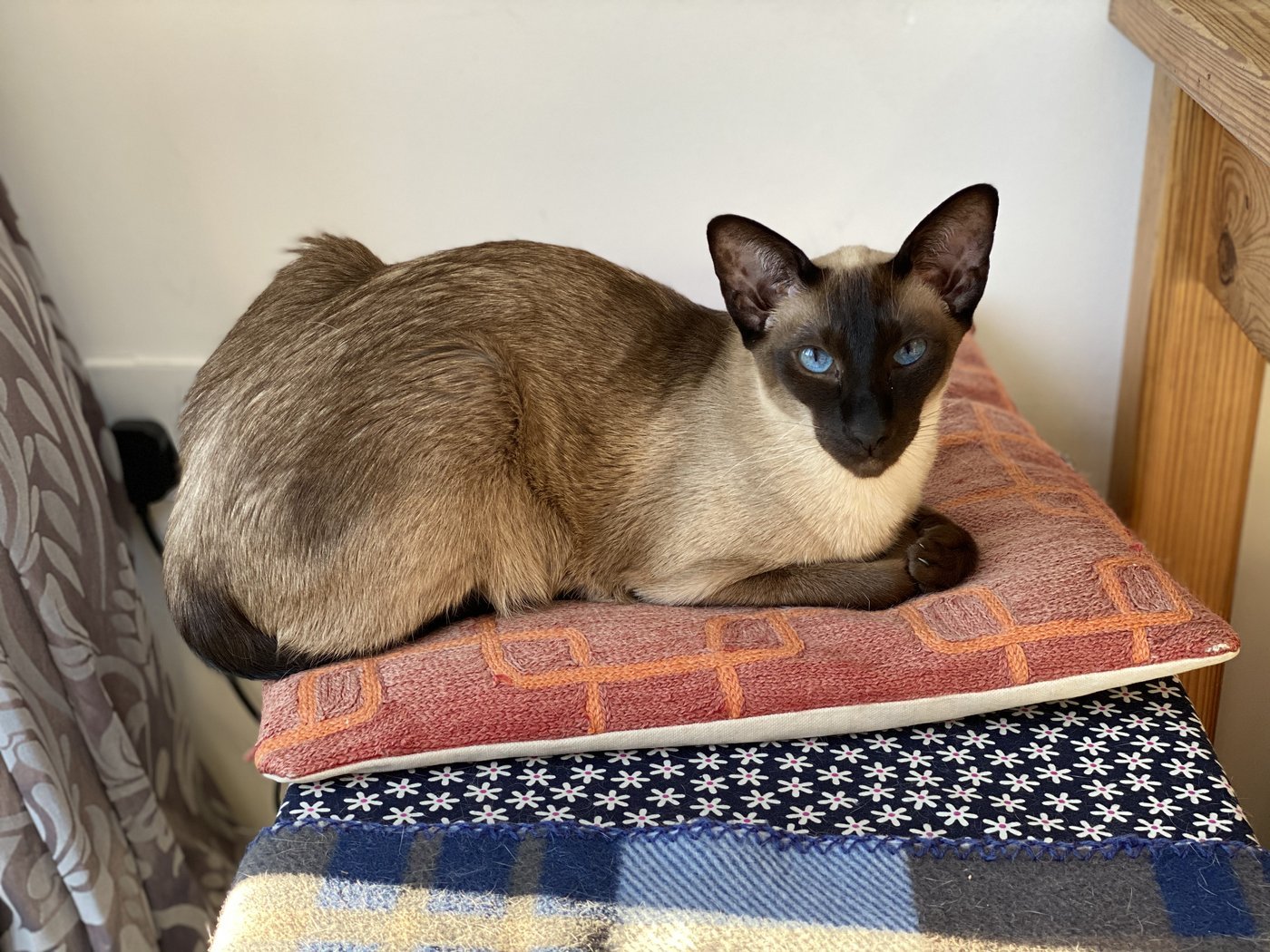
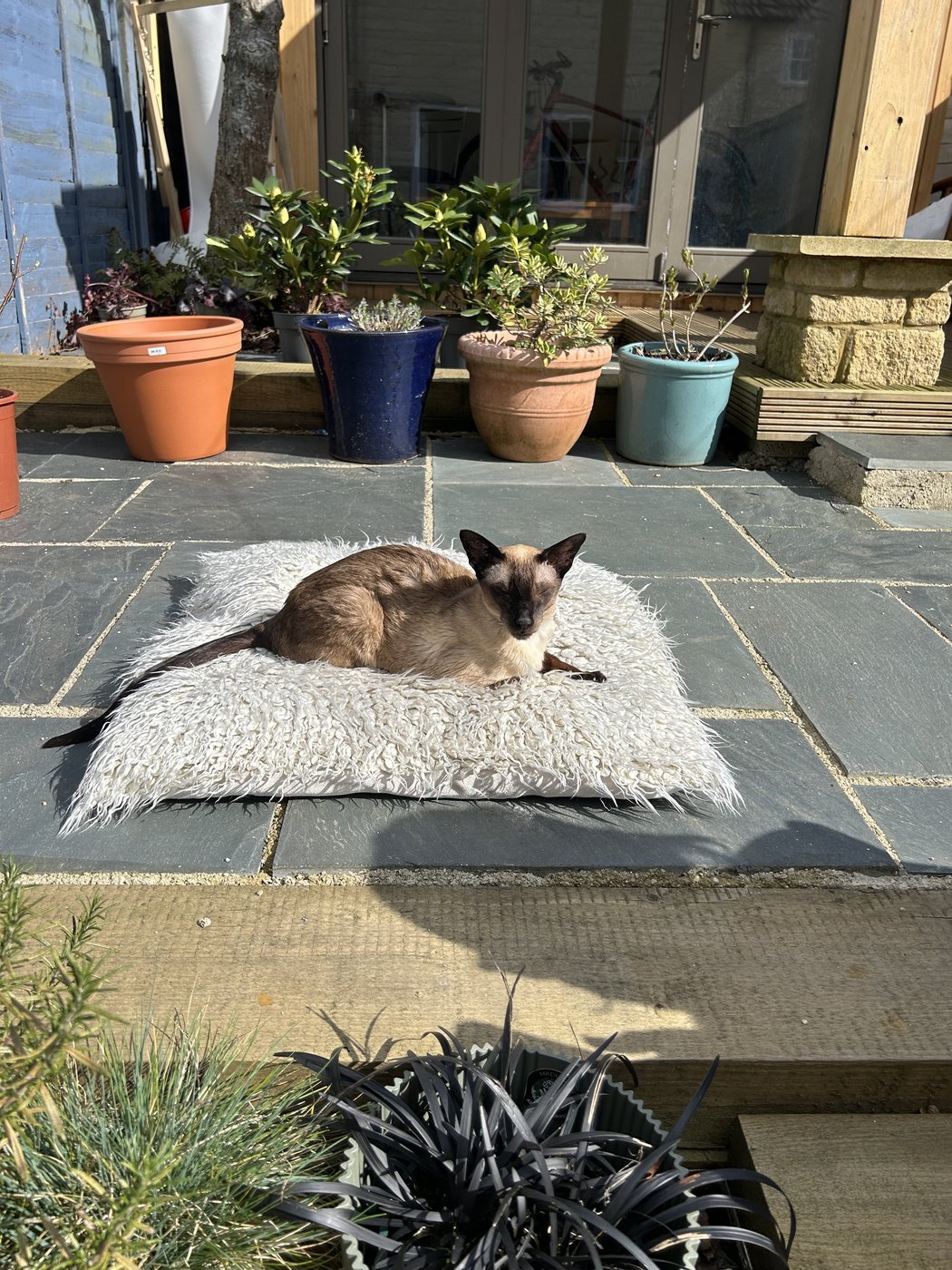
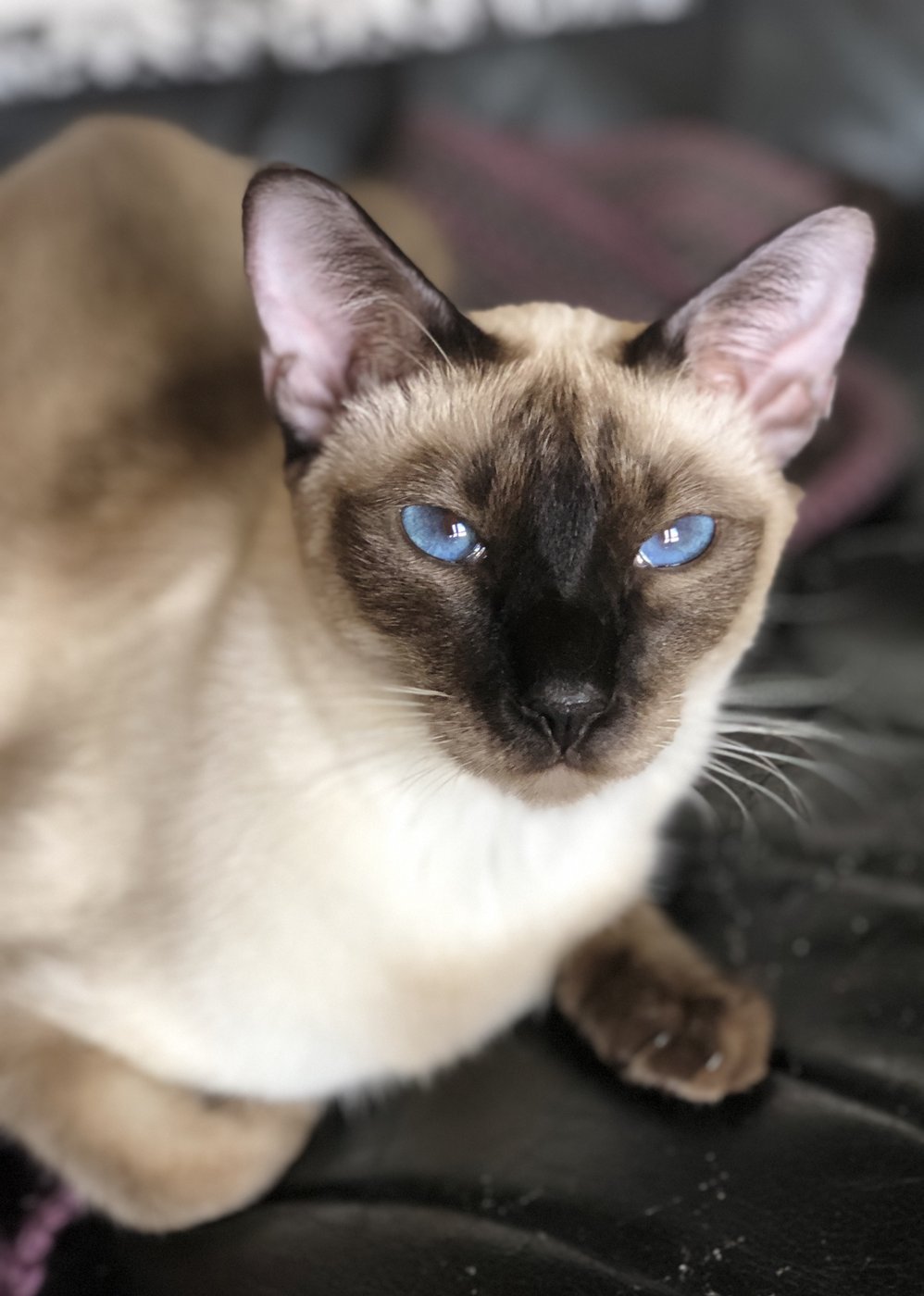
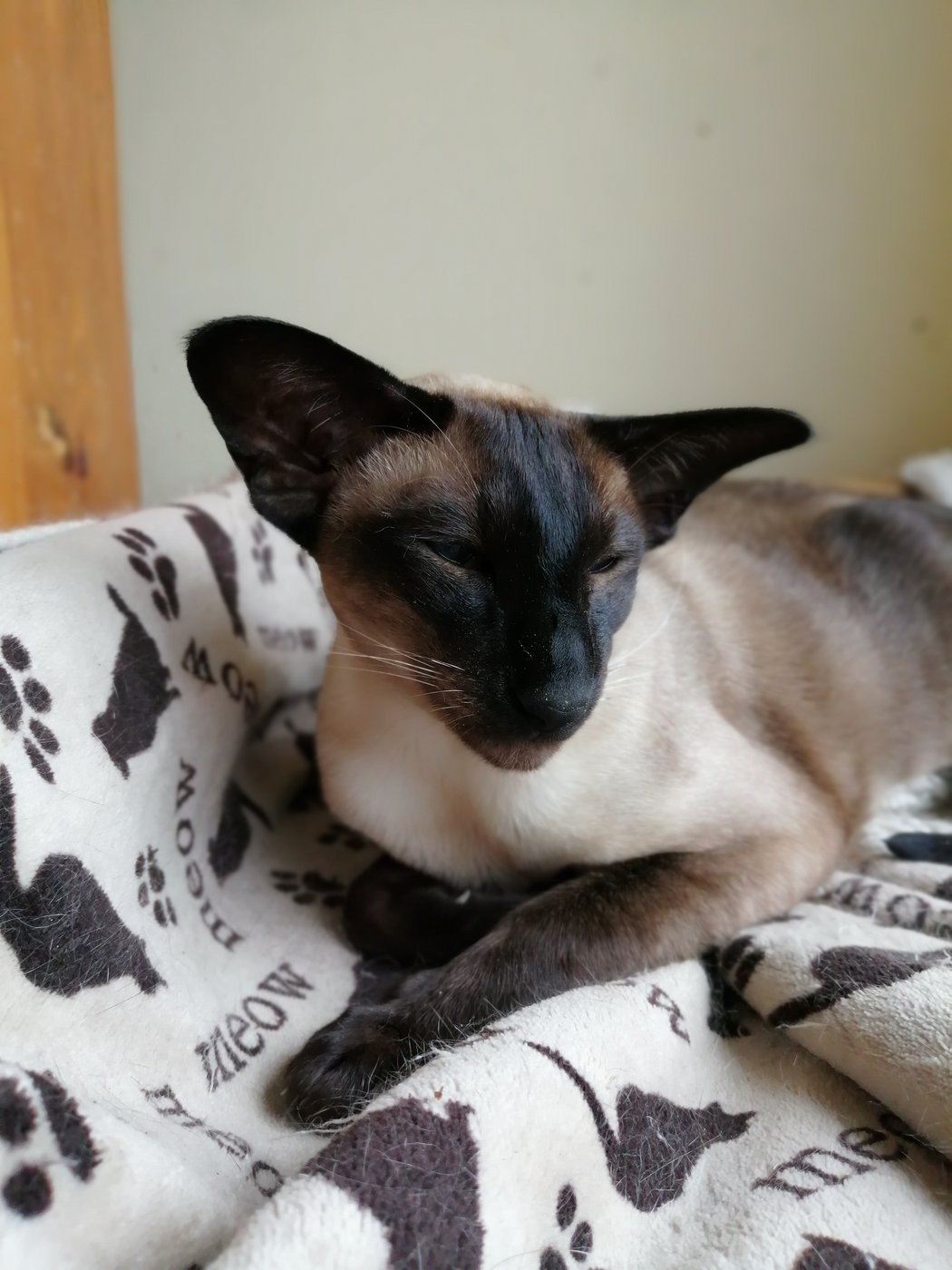
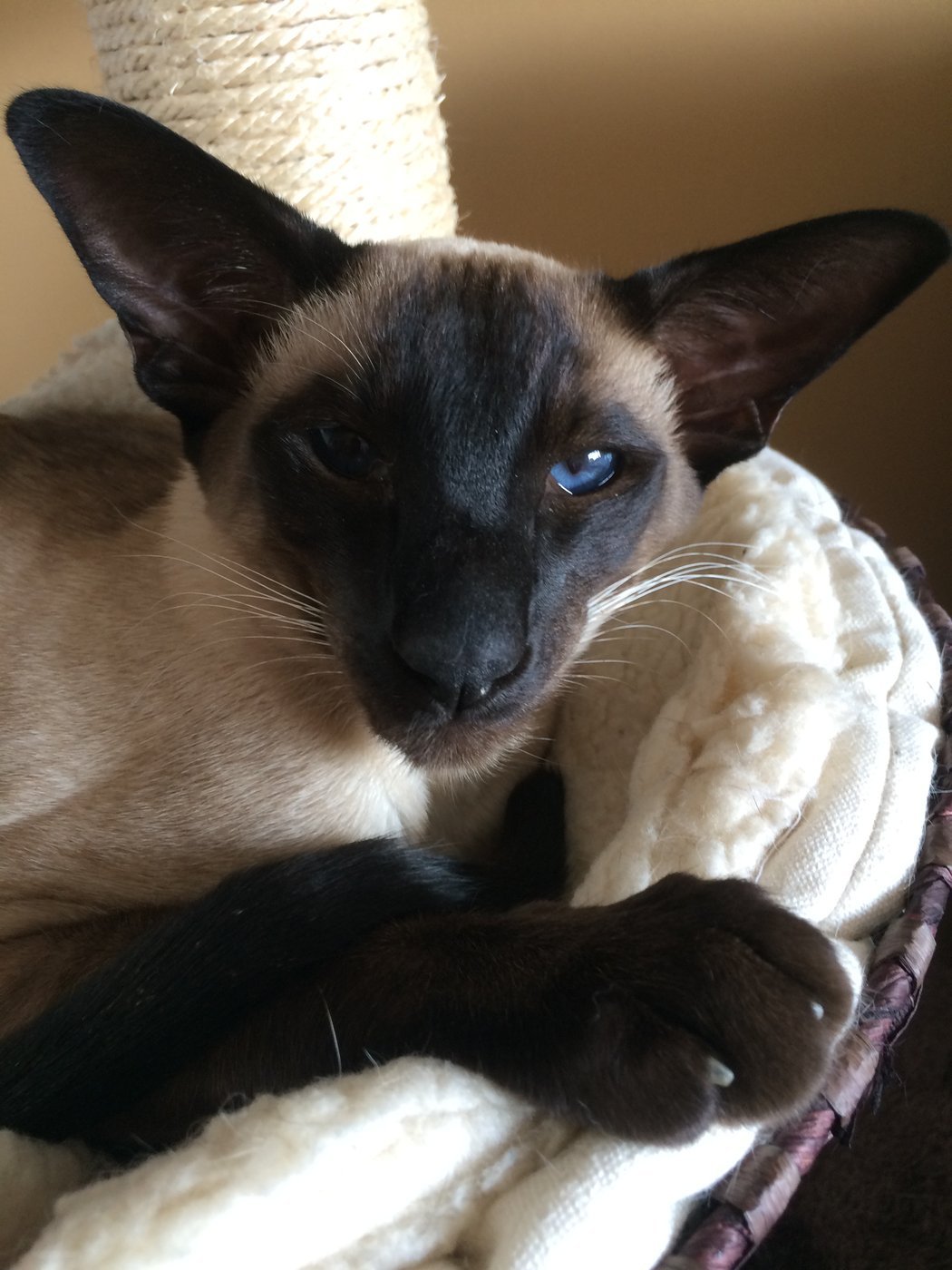
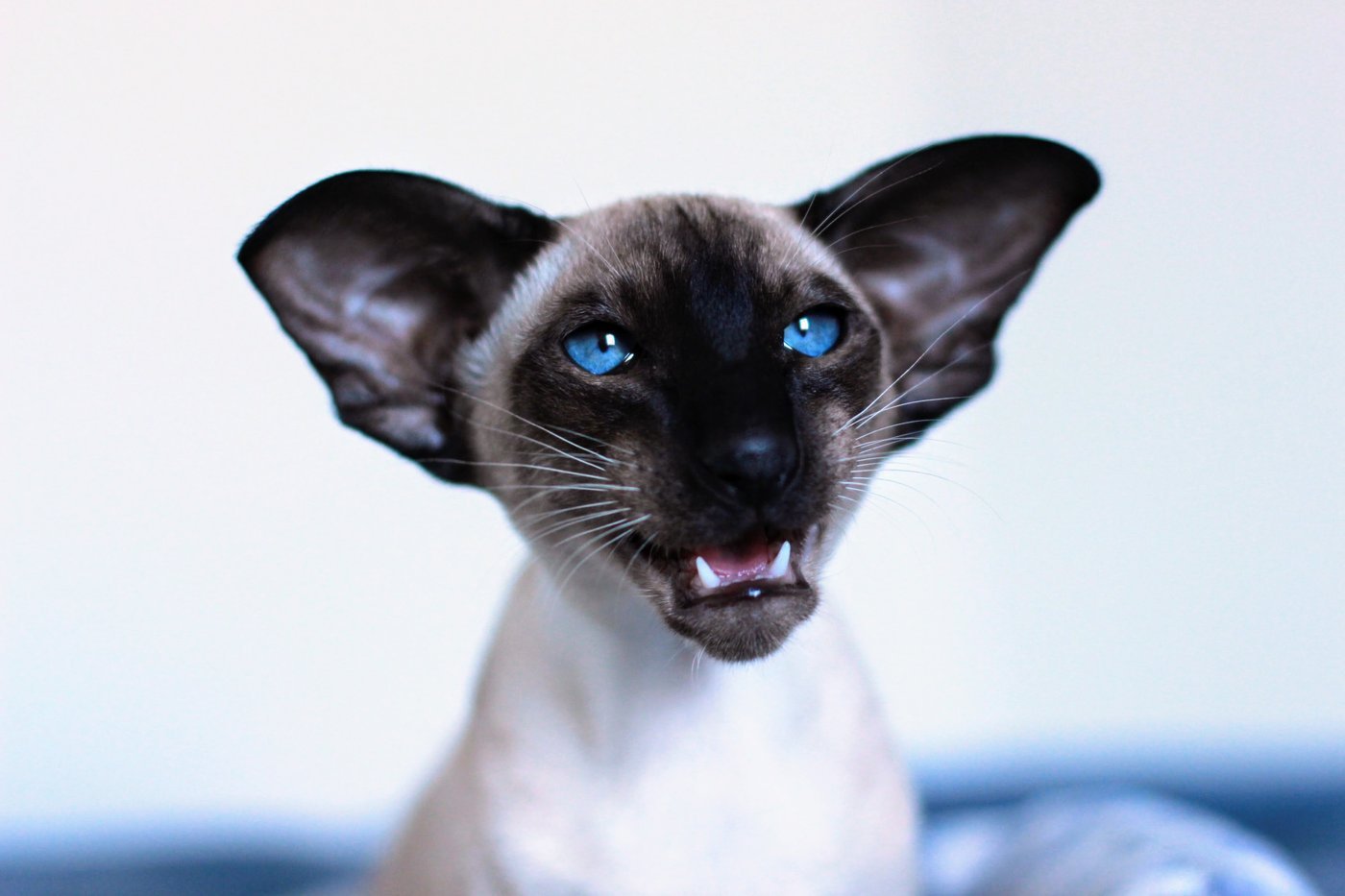
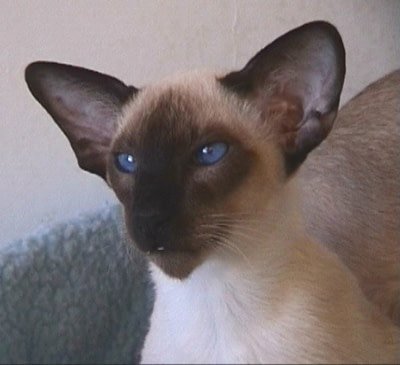
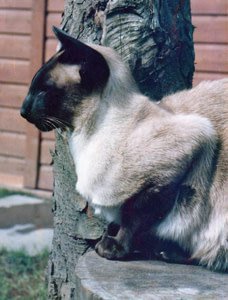
What is a Seal Point Siamese? Seal Point Siamese cats have warm seal brown points (ears, face mask, paws and tail) contrasting dramatically with a warm cream body that may develop darker shading with age. They have deep sapphire blue eyes and represent THE ORIGINAL Siamese colour — the first introduced to the UK in the 1800s. Seal Points are the most recognisable and famous Siamese variety, combining stunning appearance with the breed’s legendary affectionate and vocal temperament.
Why Seal Point Is the Original
The history of the seal point siamese is woven into the very fabric of why we fell in love with Siamese cats as a breed. These cats didn’t come to Britain as common domestic moggies — they arrived as exotic treasures, associated with royalty and mystery, steeped in the romantic mythology of the Silk Road and ancient Siam.
The stories are part of the appeal, aren’t they? Sacred temple cats, guarded by kings, only allowed to leave the palace in exceptional circumstances. Whether every word of that is historically accurate is another matter, but what matters is that when the first seal point siamese arrived in Britain in the 1800s, they captured the imagination of cat fanciers immediately. Breeders recognised something special — not just the exotic appearance, but the distinct personality and intelligence that comes with the breed. And the seal point, with its dramatic colouring and unmistakable silhouette, became the face of Siamese cats. The poster child. The image that has endured for over a century.
To this day, when people think of a Siamese cat, they’re thinking of a seal point siamese. It’s the most iconic colour, the most recognisable, and arguably the most sought-after. Walk into any cat show and mention you’ve got a seal point Siamese kitten available, and watch how quickly interest spikes.
The GCCF Breed Standard for Seal Points
When I’m judging seal point siamese cats at shows, I’m assessing them against a very specific standard — one that’s been refined over generations of serious breeders. The GCCF (UK’s Governing Council of the Cat Fancy) maintains detailed standards for every colour and pattern, and seal point siamese cats have breed numbers 24 (old classification) or SIA n (modern EMS code). These aren’t arbitrary; they’re the product of decades of collective experience from judges, breeders, and breed enthusiasts who’ve devoted their lives to maintaining the integrity and quality of the breed.
Here’s what the standard calls for: Eyes that are clear, brilliant, and a deep sapphire blue — absolutely no variation there. I’ve seen some stunning blues over the years, and they need to be deep enough to be truly striking. The points — ears, face mask, paws, and tail — must be clearly defined, dense, and a warm seal brown. That “warm” qualifier is critical. Cold, black points are a fault. The colour on all points should match in tone, creating that perfect contrast. The body should be a cream colour, but here’s the nuance that catches out inexperienced breeders: it should be evenly shaded with a warm fawn tone, not a cold white.
Faults that would see a cat marked down? Any shade of black or grey in the body or points, heavily marked body with stripes or spots, a cold white body, or insufficient contrast between the points and the body. I’ve had conversations with breeders who’ve told me they didn’t realise their seal point siamese cats had slightly off-colour bodies — sometimes it’s difficult to see when you’re living with them day to day, but a good judge will spot it immediately. The nose leather and paw pads should be seal brown to match the points.
The standard itself isn’t written in stone; it’s designed to be interpreted by experienced judges with an understanding of the breed’s history and purpose. Having judged seal points for over twenty years, I can tell you that the nuance matters — what the standard really means in practical terms often only becomes clear after you’ve assessed hundreds of cats across dozens of shows.
What’s interesting — and this is something that strikes me every time I’m at a show — is how the breed standard for seal point siamese cats has hardly changed since the early days. Both the moderate, traditional style and the modern type are represented in our show halls, and the standard accommodates both. That’s rather elegant, when you think about it. The standard is forward-thinking enough to allow for natural evolution without abandoning what makes a Siamese a Siamese.
Seal Point Genetics — The Foundation Colour
Understanding the genetics behind the seal point siamese cat opens up a fascinating window into how all the other colours are derived. Seal is the base — the foundation colour. Everything else in the Siamese colour palette comes from modifying or diluting seal.
The magic is in the cs gene, which codes for a temperature-sensitive form of albinism. This is what gives Siamese cats their characteristic pointed pattern. The gene causes pigment to be suppressed in the warm parts of the body but allows full colour development in the cooler extremities — the face, ears, paws, and tail. It’s why seal point siamese cats are pale when they’re born and develop their rich colouration as they mature. The cs gene is recessive, which is why breeding for seal points requires both parents to carry the gene.
Seal is the “full-strength” version of the colour. When you introduce a dilution gene — say, the dilute gene (d) — you get blue point Siamese cats, which are essentially a diluted seal. The warm seal brown becomes a softer blue-grey. Introduce a different modifier, and you get chocolate point — a warmer, lighter version of seal. Take the dilution a step further, and you reach lilac point, which is the ultra-dilute version with an almost pinkish-grey tone.
Every other colour in the Siamese palette — red point, cream point, and the tabby variants — they all trace back to the genetics of the seal point. Understanding seal point genetics gives you the key to understanding why breeders can be selective about producing specific colours, and why certain colour combinations are possible or impossible in a single litter.
That temperature sensitivity I mentioned isn’t just genetic trivia — it has practical implications. Kittens raised in warmer environments will develop darker points faster than those in cooler conditions. I’ve had breeders tell me they’ve noticed their seal point siamese kittens developing more intensely in winter than summer litters. It’s subtle, but it’s real.
What Do Seal Points Actually Look Like?
There’s a dramatic transformation that happens with seal point siamese cats from kittenhood to adulthood, and it’s one of the things I love most about the breed. A newborn seal point kitten is pale — almost entirely cream, with only the faintest suggestion of where the points will develop. You’re looking at a tiny, pale creature, and you have to trust that within weeks and months, those points will deepen and darken into the rich seal brown that defines the breed.
By around four weeks old, you start seeing the mask appear on the face. The ears begin to darken. The tail develops colour. By twelve weeks, when a kitten typically goes to its new home, the contrast is well-established — there’s no doubt it’s a seal point siamese. But the colour development doesn’t stop there. The points will continue to deepen over the cat’s first year and beyond. Many seal point siamese cats become noticeably darker as they move into adulthood.
The body itself tends to darken with age as well, which is natural and expected. A young adult seal point might have a very pale, almost white cream body, while a mature seal point siamese cat might have warmed to a light fawn shade. This isn’t a fault — it’s part of the breed’s natural aging process. The contrast is what matters; the body should always be considerably paler than the points.
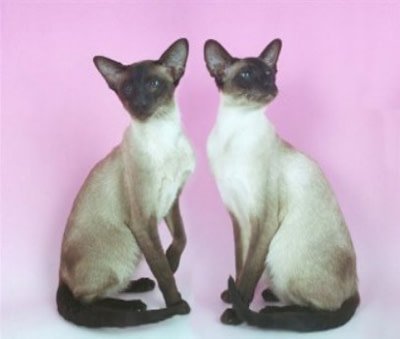
The coat texture is another hallmark. Siamese cats have fine, short coats that lie close to the body. There’s an elegance to it — the coat shows off the body’s lines and the contrast between points and body beautifully. You’ll find both the traditional “applehead” style (rounder, broader skull) and the modern, longer-faced type in seal point siamese cats at shows. Both are valid under the breed standard. The moderate type has its charm, but there’s no denying the striking appearance of a good modern type seal point siamese — long, lean, with that distinctly angular face and large ears.
The sapphire blue eyes are, of course, what catch you first. When a seal point siamese kitten locks eyes with you, it’s something you don’t forget. Those deep blues against the dark brown face mask are absolutely stunning.
A Gallery of Seal Point Siamese
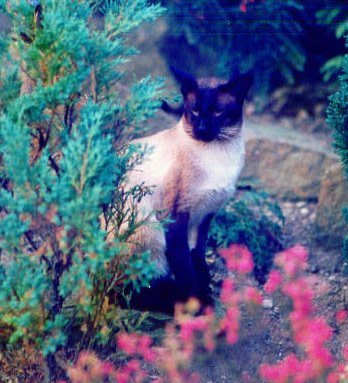
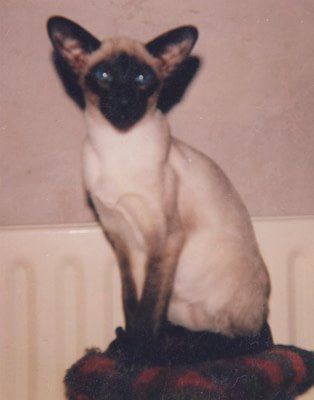
A selection of seal point Siamese — pet companions and pedigree show cats. Click any photo to open the scrollable gallery.
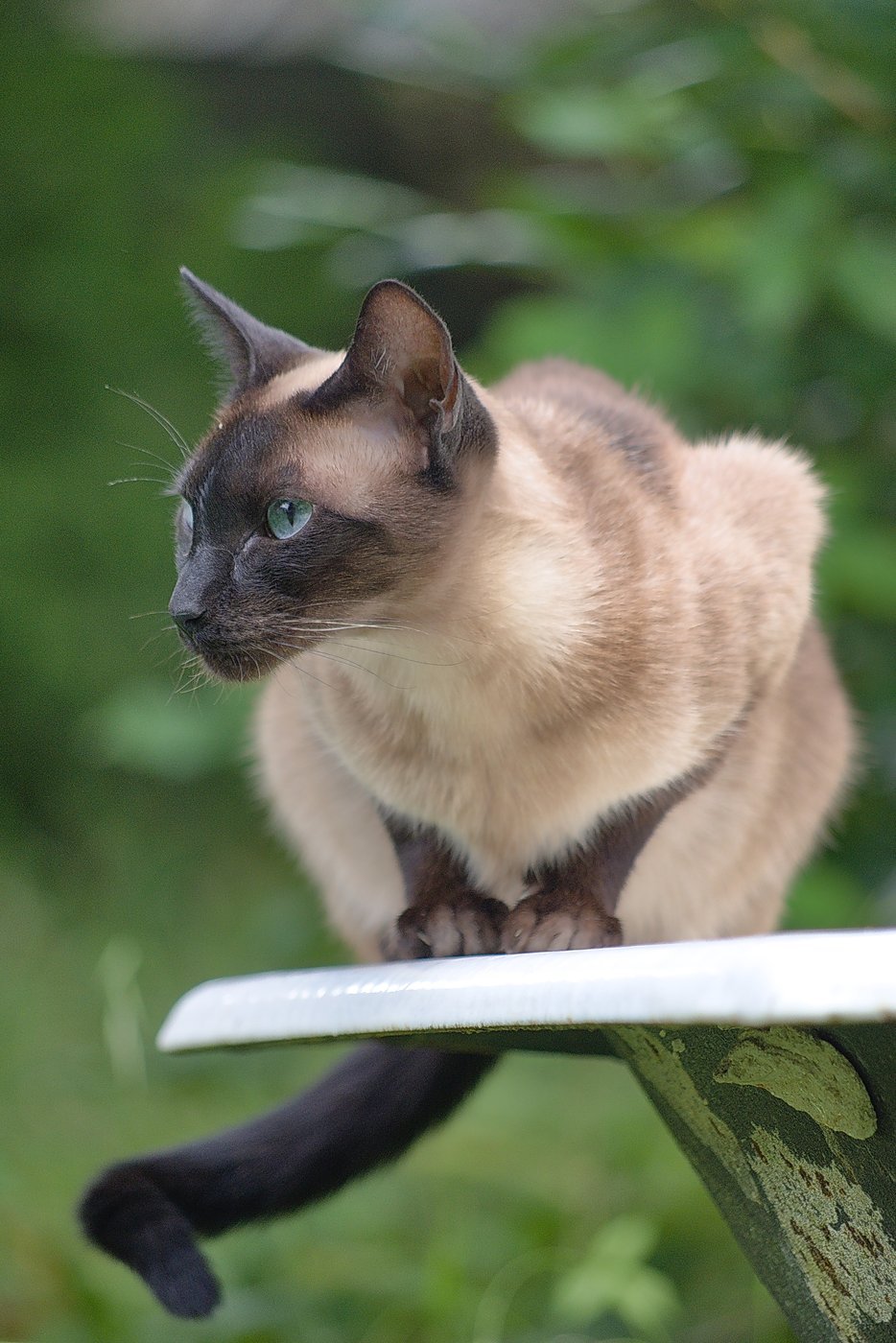

📸 Got a Seal Point Siamese? Add your cat to this gallery
This gallery grows over time — pet or pedigree, every seal point is welcome. Enter our photo competition and your cat could feature here.
Notable Show Winners
Seal point Siamese that have made their mark in the show ring over the years.

Personality and Temperament
Here’s something important to understand: the seal point siamese cat’s personality is no different from any other colour siamese. The temperament isn’t determined by colour genes — it’s determined by breed genetics and individual personality. Don’t let anyone tell you that seal points are more vocal, more affectionate, or more intelligent than other colours. That’s a myth.
But Siamese cats in general? They’re a breed apart when it comes to personality. They’re vocal — sometimes loudly so. They’re intelligent and curious, often to the point of mischief. They bond fiercely with their people and don’t take kindly to being ignored. They want to be involved in whatever you’re doing. If you’re cooking, they’re in the kitchen. If you’re working, they’re on your desk. If you’re watching television, they’re on your lap — or demanding your attention until you acknowledge them.
I’ve heard people describe the Siamese personality as “faithful friend” and I think that’s apt. They’re not the sort of cat that will tolerate being a distant pet. They want a relationship with their people. They’re interactive, demanding, and utterly devoted. It’s not for everyone — if you want a quiet, independent cat, a Siamese probably isn’t your answer. But if you want a cat that will be a genuine companion, that will greet you when you come home, that will sit with you and communicate constantly, then the Siamese breed is rather special.
And yes, seal point siamese cats have the same personality as blue point, chocolate point, or any other colour. The colour is cosmetic. The personality is breed-deep.
Health Considerations
The seal point siamese cat, like all Siamese, carries some breed-specific health considerations that prospective owners should be aware of. Siamese cats can be prone to certain genetic conditions — progressive retinal atrophy (PRA), which can lead to blindness, is one that breeders screen for. Hypertrophic cardiomyopathy (HCM), a heart condition, can also occur in the breed. Responsible breeders test their breeding stock and maintain health records to try to minimise the incidence of these conditions.
The pointed pattern itself — which exists in seal point siamese cats due to the temperature-sensitive cs gene — has no direct health implications. The colour doesn’t cause health problems. However, good breeders will ensure that their seal point siamese cats come from health-tested parents and that they’re providing genetic diversity in their breeding programme.
If you’re considering getting a seal point siamese kitten, ask the breeder about health testing and genetic screening. A responsible breeder will be happy to discuss this openly and provide documentation. For more detailed information about Siamese health, do explore our Siamese health resource. And if you are thinking of getting a kitten, our guide on finding a good cat breeder is well worth a read.
Seal Point vs Other Colours
One of the things I enjoy about judging is seeing the full colour spectrum of Siamese cats at shows, and understanding how each colour compares to seal point is really useful if you’re trying to decide which colour appeals to you.
Blue point siamese cats are the dilute version of seal. They have soft blue-grey points instead of the warm seal brown, set against a cool blue-white body. They’re elegant and subtle in a way that seal points aren’t. If seal point is dramatic, blue point is refined. Some people find them more sophisticated; others prefer the boldness of the seal. Both have their place.
Chocolate point siamese cats occupy an interesting middle ground. Their points are a lighter, warmer brown than seal — more of a rich milk chocolate than dark seal brown. The body is typically a warmer ivory. Chocolate points can look similar to seal points at first glance, but they lack the contrast and intensity. A good seal point siamese cat will always show more dramatic contrast than a chocolate point. To my eye, chocolate points are attractive, but they don’t have quite the striking presence of a seal point.
Lilac point siamese cats are the ultra-dilute version — the genetic equivalent of taking seal, applying a dilution, then applying another layer of dilution. The result is points that are a soft pinkish-grey, almost lavender, against a very pale body. They’re beautiful in their own way, delicate and unusual, but they’re definitely a niche colour. The contrast is minimal, which some people prefer, but from a show perspective, seal point remains the gold standard.
Then there are the red point, cream point, and tabby variants — all of which derive their genetics from the seal foundation. But if you’re looking for the classic Siamese appearance, the colour that best represents what the breed is about, seal point is it. That’s not nostalgia speaking; that’s genetics and history combined.
Frequently Asked Questions About Seal Point Siamese Cats
Are seal point Siamese the most common?
Yes, seal point siamese cats are by far the most common colour you’ll encounter. They’ve been in the breed from the beginning, and breeders have continued to select for them because they’re visually striking and popular with the public. If you’re browsing breeders’ websites or looking at cats available for adoption, you’re statistically most likely to find seal point siamese cats on offer.
Are seal point Siamese friendly?
The seal point siamese cat’s personality isn’t determined by colour — it’s determined by breed genetics. Siamese are notoriously affectionate, vocal, and people-oriented. They bond strongly with their families and want to be involved in everything you do. If you want a friendly, interactive cat that will form a genuine relationship with you, a seal point siamese is an excellent choice. Just be prepared for the constant communication!
What is the difference between a seal point and a chocolate point?
Seal point siamese cats have dark seal brown points (a rich, deep brown) with a cream body that may warm slightly with age. Chocolate point siamese cats have lighter, more milk-chocolate-coloured points with a warmer ivory body. Seal points have more dramatic contrast and depth of colour. Genetically, chocolate is a modifier of the base colour; seal is the full-strength version. If you lined them up side by side, the seal point would always look more striking.
How much does a seal point Siamese cost?
A GCCF-registered seal point Siamese kitten from a responsible, health-testing breeder in the UK typically costs between £1,000 and £1,200. Show-quality seal point Siamese cats with exceptional pedigrees and breed potential may cost more. Prices reflect the cost of responsible breeding — health screening (PRA-Rdac, PKDef), veterinary care, socialisation, and GCCF registration. Rescue and rehoming organisations occasionally have seal point Siamese cats available for adoption at lower cost. Always ensure you’re buying from a breeder who can provide health testing documentation and pedigree information.
Do seal point Siamese get darker with age?
Yes, absolutely. Seal point siamese kittens are born very pale, with only a hint of where the points will develop. Over their first year, the points deepen considerably. And as they move into adulthood and beyond, the overall colour tends to intensify further. A young adult seal point might be quite pale; a ten-year-old seal point siamese cat might be noticeably darker. This is natural and expected, and it’s not considered a fault. The contrast should remain — the body lighter than the points — but some darkening is part of the breed’s natural aging process.
What eye colour do seal point Siamese have?
Seal point siamese cats have deep sapphire blue eyes — a brilliant, striking blue that’s one of the breed’s most recognisable features. There’s no variation; the breed standard calls for clear, brilliant, deep blue eyes in all Siamese colours. A seal point siamese with pale or greenish eyes would be considered a significant fault and would be marked down considerably in any breed standard assessment.
Browse More Siamese Colour Profiles
The seal point siamese is the foundation, but the breed’s colour palette is rich and varied. Explore the other stunning colours that make up the Siamese breed, each with their own character and charm.
Head back to our main Siamese cat breed profile to explore more about the breed’s history, temperament, and care requirements. Or dive deeper into specific colour variants: discover the elegant refinement of blue point Siamese cats, the warmth of chocolate point Siamese cats, or the delicate lilac point Siamese cats. If you are keen to understand the science behind the colours, our Siamese cat genetics resource breaks down the genetic mechanisms that create all these stunning variations. You might also be interested in our complete Siamese colour chart, which shows all recognised colours at a glance, or our history of Siamese cats, which explains how these remarkable animals came to be.
Bringing home a kitten? Don’t wing it.

I wrote an eBook for new kitten owners that covers everything you actually need to know — how to prepare your home, what to feed, litter training that actually works, stopping the biting and scratching, reading your kitten’s body language, and what’s normal versus what’s not. It comes with printable checklists, a vaccination record and a first-week diary.
It’s called Kitten Care for New Cat Owners, it’s an instant download, and it will save you a lot of late-night Googling at 4am.