Cream point Siamese cats are one of the subtlest and most elegant colour varieties in the breed. With pale, cool cream points on an almost-white body, the cream point Siamese has a delicacy that’s quite unlike the bolder traditional colours. If you’re looking for information about cream point Siamese cats, wondering how they differ from red points, or curious about what a cream point Siamese kitten looks like as it develops, this guide covers everything — from the genetics and breed standard to personality, health, and what to expect from this beautiful colour variety.
As a GCCF Full Judge for Siamese with more than twenty years’ experience, I can tell you that cream points are one of the most challenging colours to assess on the show bench — and one of the most rewarding when you see a truly outstanding example. The subtlety of the colour requires excellent contrast between points and body, and when it’s right, a cream point Siamese has an ethereal quality that stops you in your tracks.
What Does a Cream Point Siamese Look Like?
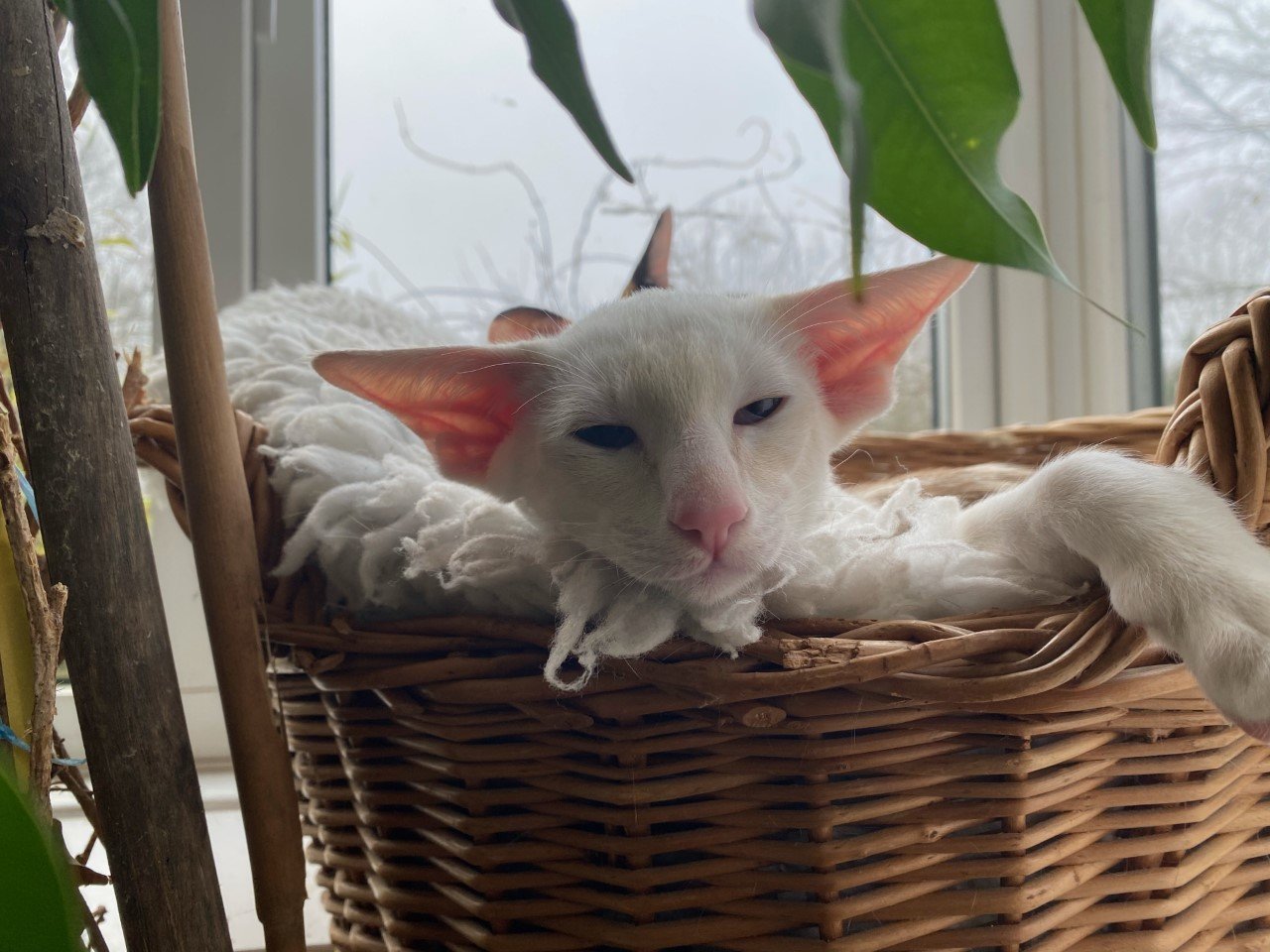
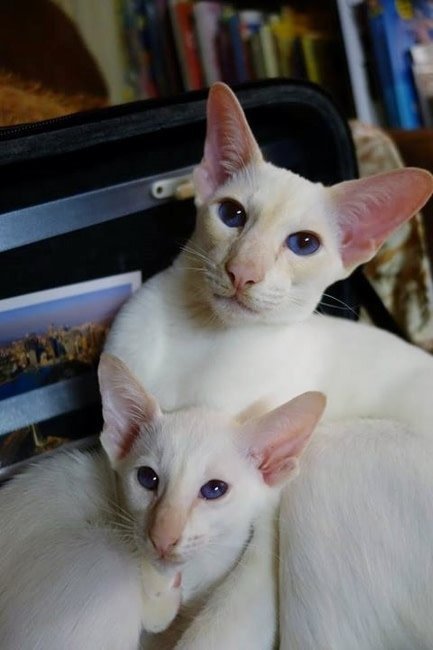
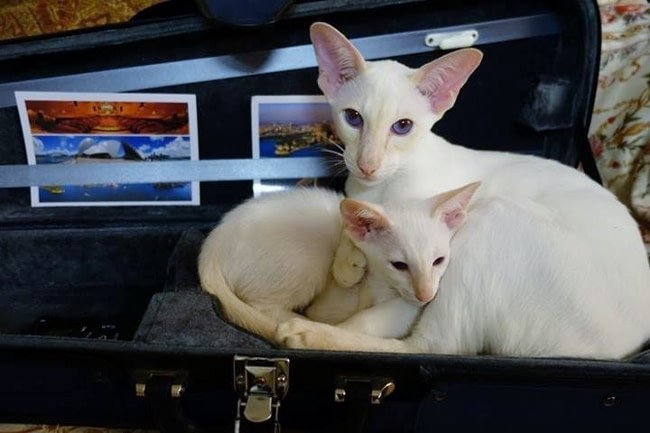
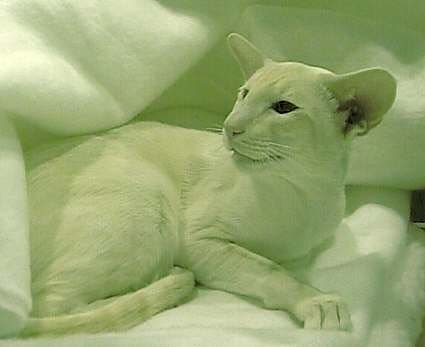
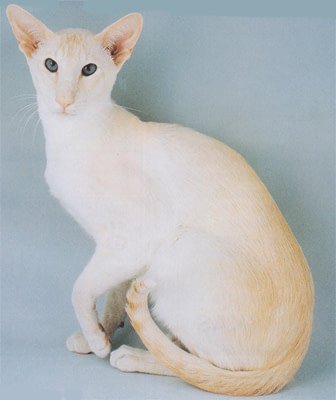
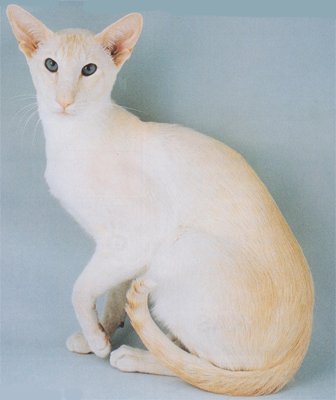
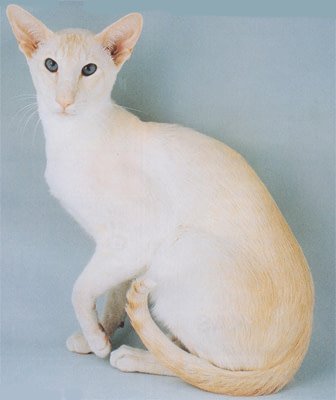
The cream point Siamese cat has pale, cool cream-coloured points — the ears, face mask, paws, and tail — on a body that should be warm creamy white. The overall effect is one of extreme subtlety: the contrast between points and body is among the lowest of any Siamese colour, and in some cream points the colour is barely visible in certain lighting conditions. This is a colour that reveals itself gradually and rewards close attention.
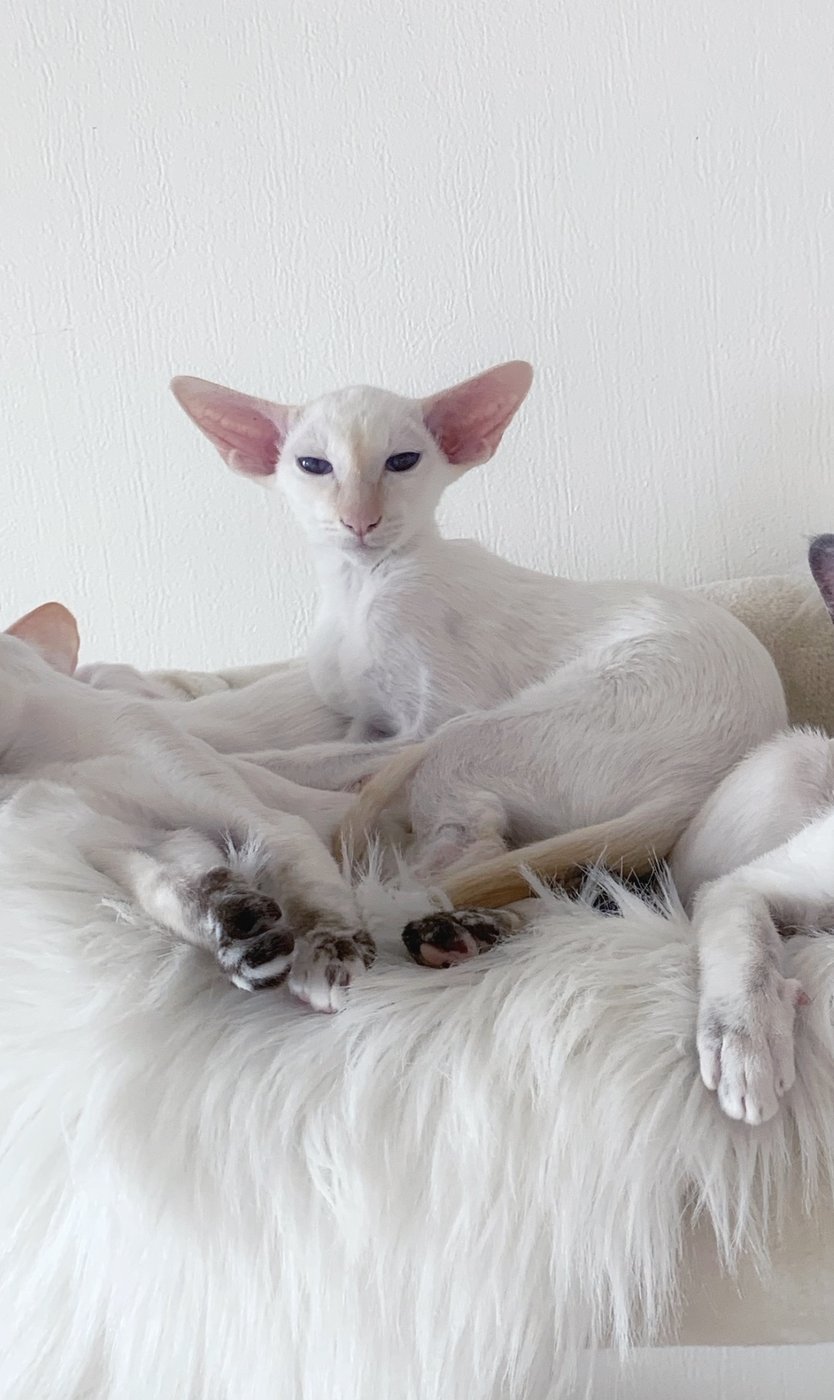
The GCCF breed standard calls for the points to be pale, even cream — cool rather than hot in tone — with the body a warm creamy white. Nose leather and paw pads are pink. Eyes should be vivid, clear blue, as with all Siamese colour varieties. One quirk of cream points (shared with red points) is that faint tabby ghost markings may be visible on the points, even in genetically solid cats. This is a feature of the red/cream gene rather than a fault, though breeders aim to minimise it.
Cream Point vs Red Point Siamese — What’s the Difference?
Cream point Siamese are the dilute form of red point Siamese — the same genetic relationship as blue to seal, or lilac to chocolate. Where red points have rich, warm reddish-orange points (sometimes called “flame point” in American terminology), cream points have a much paler, cooler version of the same colour. The difference is immediately obvious when you see them side by side: red is warm and intense, cream is pale and delicate.
Genetically, both red and cream points carry the sex-linked orange gene (O), which is carried on the X chromosome. This means that red and cream colouring has implications for breeding — male cats need only one copy of the orange gene to be red or cream, while females need two copies. A female with one copy will be a tortie point instead. The dilution gene (dd) is what transforms the rich red into the paler cream — exactly the same mechanism that transforms seal into blue.
The Genetics Behind Cream Point Siamese
Cream point Siamese carry three key genetic components: the cs gene (temperature-sensitive albinism, shared by all Siamese), the orange gene (O, sex-linked), and the dilution gene (dd). The cs gene restricts pigment to the cool extremities. The orange gene converts black-based pigment to red-based pigment. The dilution gene lightens the red to cream by altering the way pigment granules are distributed in the hair shaft.
Because the orange gene is sex-linked, cream point males (XO Y) only need their mother to carry the orange gene. Cream point females (XO XO) need to inherit the orange gene from both parents. This is why cream point males are more common than cream point females in breeding programmes — and why breeding a red or cream point male to a non-red female will produce tortie point daughters rather than cream point daughters.
Are Cream Point Siamese Cats Rare?
Cream point Siamese are less common than the four traditional colours (seal, blue, chocolate, lilac) but are regularly produced by breeders who work with red-series lines. They’re not as rare as cinnamon, fawn, caramel, or apricot point Siamese. The sex-linked genetics mean that male cream points are produced more frequently than females, and breeders who work with red and cream lines usually have kittens available — though you may need to wait for a specific colour and sex combination.
A Gallery of Cream Point Siamese
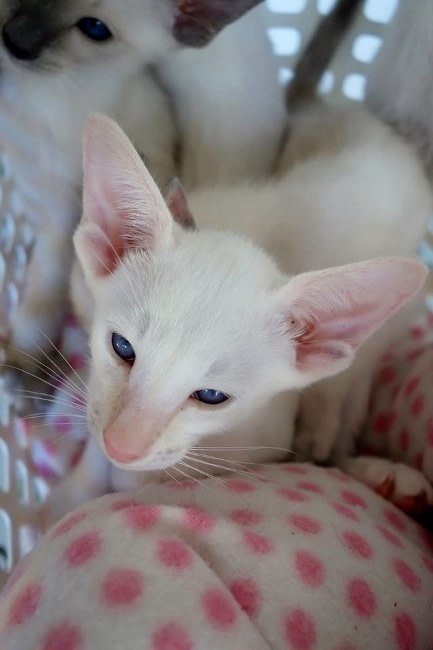
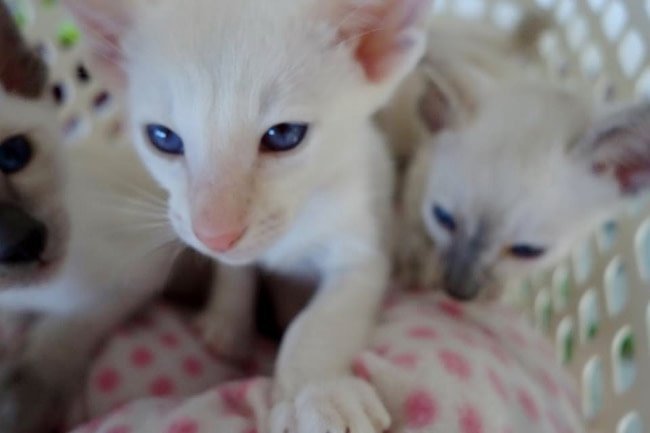
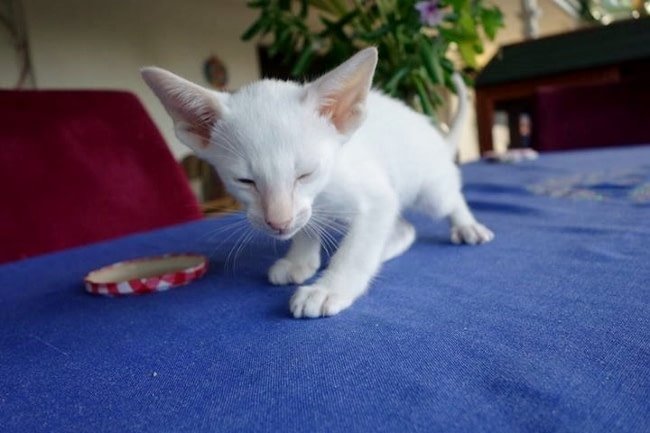
A selection of cream point Siamese — pet companions and pedigree show cats. Click any photo to open the scrollable gallery.
📸 Got a Cream Point Siamese? Add your cat to this gallery
This gallery grows over time — pet or pedigree, every cream point is welcome. Enter our photo competition and your cat could feature here.
Notable Show Winners
Cream point Siamese that have made their mark in the show ring over the years.


Cream Point Siamese Personality and Temperament
Cream point Siamese are typical Siamese in every behavioural sense — vocal, sociable, intelligent, and deeply attached to their people. There’s no credible evidence that colour variety affects personality in Siamese cats. What you get with a cream point is the full Siamese experience: a cat that demands your attention, tells you about its day at considerable volume, and follows you from room to room. They don’t do well left alone for extended periods and benefit from having a feline companion.
When Do Cream Point Siamese Kittens Develop Their Colour?
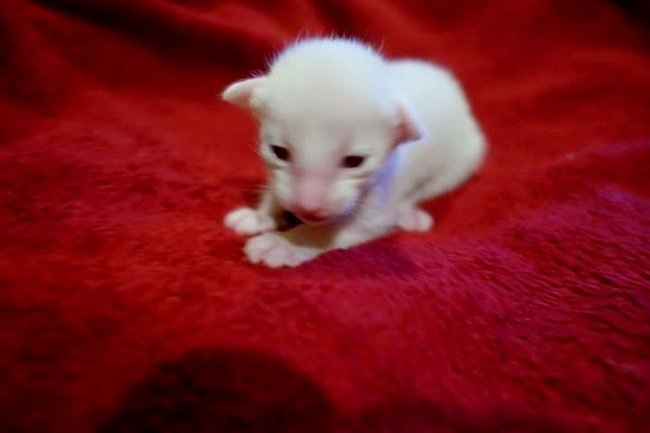
Cream point kittens are born white — like all Siamese — and their colour develops more slowly than darker varieties. While seal point kittens show visible colour within days of birth, cream point kittens may take two to three weeks before the first faint traces of cream appear on the ears and nose. The colour is so subtle in young kittens that accurate identification sometimes requires an experienced eye.
By six to eight weeks, the cream colour should be clearly visible on the ears, nose, paws, and tail, though it will still be quite pale. The face mask develops progressively over the first few months. Full adult colour is typically reached by twelve to eighteen months, and even then cream points remain among the palest of all Siamese colours. Body shading in cream points is minimal even in older cats, which helps maintain the clean, elegant appearance.
Cream Point Siamese Health
Cream point Siamese share the same health profile as all Siamese cats. The colour variety creates no additional health risks. Siamese are generally healthy and long-lived, with an average lifespan of 15-20 years. The breed-specific health considerations include progressive retinal atrophy (PRA), which reputable breeders test for, certain heart conditions, and a predisposition to dental issues. A responsible breeder will discuss their health testing programme and provide clear results for both parents.
Cream Tabby Point and Cream Tortie Point Siamese
Cream tabby point Siamese combine the cream colour with the agouti gene, producing faint tabby striping on the already-pale cream points. Given that cream points can show ghost tabby markings even without the agouti gene, the distinction between a solid cream point with ghost markings and a true cream tabby point can be quite subtle — even for experienced breeders and judges.
Cream does not appear as a tortie point colour in the same way that seal, blue, chocolate, or lilac do. Because both cream and the “other colour” in a tortie need to be present on the points, cream tortie combinations manifest as blue-cream tortie point, lilac-cream tortie point, and so on — where cream replaces the red element that would appear in the warmer tortie varieties.
The GCCF Breed Standard for Cream Point Siamese
The GCCF standard describes cream point Siamese as having pale, even cream points on a warm creamy white body. Nose leather is pink. Paw pads are pink. Eyes should be clear, bright, vivid blue. In judging, the key qualities are evenness and clarity of the cream point colour, adequate contrast between points and body (challenging in such a pale colour), and the absence of hot or orange tones in the cream — the colour should be cool and delicate rather than warm and apricot-like.
Frequently Asked Questions About Cream Point Siamese
How can you tell a cream point from a red point Siamese?
Red points have much warmer, more intense reddish-orange points, while cream points have pale, cool cream points. The difference is obvious side by side. Cream is the dilute of red — genetically, cream points carry the dilution gene (dd) in addition to the orange gene, which lightens the red to cream.
Are cream point Siamese always male?
No, but cream point males are more common than females. Because the orange gene is sex-linked (carried on the X chromosome), males only need one copy to be cream, while females need two. Female cream points exist but require both parents to carry the orange gene.
Why does my cream point Siamese have faint stripes?
Faint tabby ghost markings are common in cream (and red) point Siamese, even in genetically solid cats. This is a characteristic of the orange gene — it allows underlying tabby patterning to show through more readily than other colour genes. It’s not a fault, though it can make distinguishing a solid cream point from a cream tabby point challenging.
What is the personality of a cream point Siamese?
Cream point Siamese have the classic Siamese temperament: vocal, sociable, intelligent, and deeply bonded to their owners. Colour variety does not affect personality. Expect an active, affectionate cat that needs company and stimulation.
Browse More Siamese Colour Profiles
Traditional colours: Seal Point Siamese · Blue Point Siamese · Chocolate Point Siamese · Lilac Point Siamese
Patterned varieties: Tabby Point Siamese · Tortie Point Siamese
Complete reference: Siamese Colour Chart — every recognised Siamese colour compared side by side.
Or return to the full Siamese cat breed profile for a comprehensive overview of the breed.
Finding a Cream Point Siamese Breeder
Looking for a cream point Siamese kitten? Our guide to finding a good cat breeder covers the questions to ask, the health tests to expect, and the red flags that should make you walk away. Not all Siamese breeders work with red-series colours, so you may need to seek out a specialist.
Bringing home a kitten? I wrote an eBook for new kitten owners that covers everything you actually need to know — how to prepare your home, what to feed, litter training that actually works, stopping the biting and scratching, reading your kitten’s body language, and what’s normal versus what’s not. It comes with printable checklists, a vaccination record and a first-week diary. It’s called Kitten Care for New Cat Owners, it’s an instant download, and it will save you a lot of late-night Googling at 4am. Get the eBook — £12.99